
Real-Time Urban Skin Monitoring For Sensitive-Oily Types: How Jakarta, Manila, And Singapore Clinics Are Revolutionizing Skincare In Southeast Asia
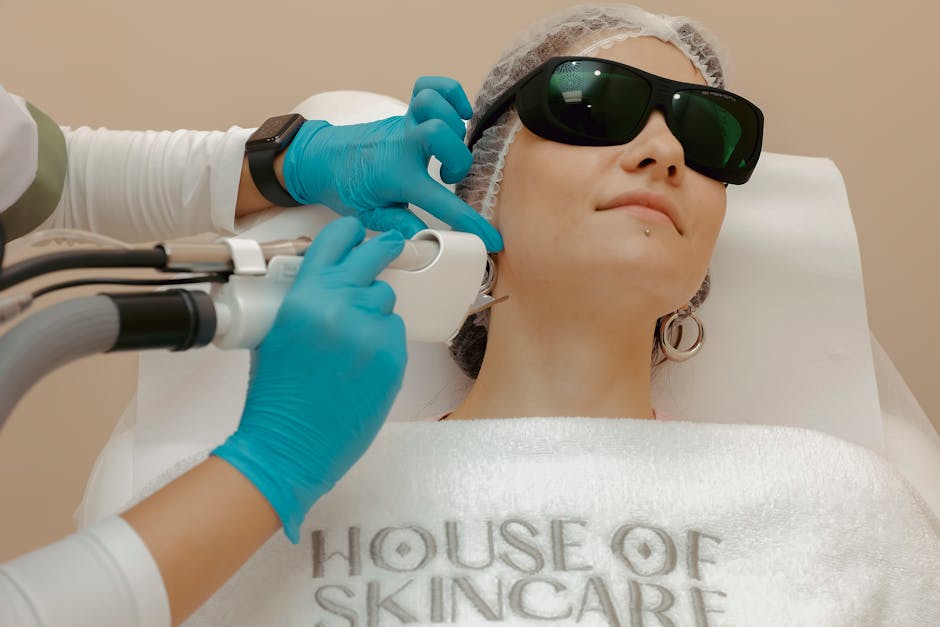
Real-Time Urban Skin Monitoring in Southeast Asia: A New Era for Sensitive-Oily Skin Types
Sensitive-oily skin is among the most misunderstood and challenging skin profiles—especially in the relentless heat, humidity, and urban stress of Southeast Asia’s megacities. From Jakarta to Manila and Singapore, individuals battle not just the climate, but a daily barrage of pollutants, extreme UV, and indoor-outdoor transitions. As digital health standards rise, so do expectations for precise, adaptive skincare that finally makes sense of oiliness with dehydration, congestion with sensitivity, and premature aging under constant sun. This is the moment for climate-aware skincare routines, evidence-driven solution layers like lightweight sunblock for Southeast Asia, and new-generation dashboards that connect clinic expertise, real-time data, and user behavior into a systematic, empowering journey.
If you’ve ever struggled with heavy Western moisturizers that suffocate in humidity, or trend-driven “fixes” that backfire within days, this transformation—from static “skin type” labels to dynamic routines linked to live UV, AQI, and humidity—offers a path to clarity, control, and true skin resilience. Read on for the trends, tools, and strategies defining the future of sensitive-oily skin management in the humid tropics.
Key Trends and Strategies for Urban Sensitive-Oily Skin
1. Climate-Adaptive Routines Replace Static Labels
The classic “combination” or “sensitive” label is outdated when your skin can swing from oily, shiny T-zone to tight, reactive cheeks within hours—thanks to outdoor commutes, air-conditioned offices, and unpredictable UV spikes. Real-time dashboards connect moment-to-moment environmental data—UV Index, PM2.5, humidity—with objective skin metrics (sebum, hydration, redness) to guide adjustments in your skincare for humid climates. The result? Skincare is tailored not just to your type, but to today’s conditions, letting you pivot between a soothing gel for redness in humidity on high-pollution days, and a repair skin barrier humidity protocol after a UV-heavy week.
2. Data-Connected Clinics and Cross-City Dashboards
Southeast Asian clinics now deploy connected imaging and biophysical instruments (corneometers, sebumeters, VISIA/OBSERV) that record, timestamp, and cloud-sync skin readings. These are layered with user-side inputs from wearables and logs, creating a feedback loop between environment, skin, and product use—bridging the gap between in-vitro evidence and in-city behavior. Clinics in Jakarta, Manila, and Singapore are increasingly standardizing protocols, allowing them to compare, troubleshoot, and refine recommendations for serum for oily dehydrated skin and anti aging serum humid climate users across similar, yet distinct, urban climates.
3. From Product Roulette to System Integration
Instead of endless trial and error, users can now deploy “modular” routines—a set for baseline days, another for high-UV and high-pollution events—applying best sunscreen for humid weather (non-occlusive, sweat-resistant), switching to korean japanese skincare tropical skin hydrators during haze spikes, and pausing actives when barrier stress is high. Tele-aesthetic platforms support this with bookable dashboards, live monitoring, and data-driven prompts—rooting recommendations in measured patterns, not just inventory or trends.
4. Troubleshooting with Evidence, Not Guesswork
With dashboards correlating flare-ups to time-stamped triggers—like a string of PM2.5 surges or a drastic routine change—users and clinicians can pinpoint real causes, avoid overreacting, and modulate actives without reverting to blanket restrictions. This precision means more success with repair skin barrier humidity strategies, and less anxiety when adding a new anti aging serum humid climate or serum for oily dehydrated skin.
5. Regionally Relevant R&D and Product Design
Brands and clinics leveraging cross-city data now develop and test formulations specifically against Southeast Asia’s stressors: high UV, persistent humidity, episodic haze. This approach goes beyond cosmetic claims—demonstrating, with region-specific numbers, which lightweight sunblock southeast asia or soothing gel for redness humidity actually outperforms under local stress loads.
State and Recommendations: Actionable Guidance for Brands and Clinics
- Adopt Connected Diagnostics: Integrate cloud-synced imaging and biophysical measurements (sebum, TEWL, hydration) in all urban clinics. Standardize protocols for true cross-city comparability.
- Offer User-Centric, Bookable Dashboards: Give clients login access to their time-resolved skin, environment, and product data, supporting real-time routine adaptation and collaborative troubleshooting.
- Anchor Formulation and Routine Guidance in Live Environmental Data: Develop "modular" routine recommendations—baseline, high-UV, high-pollution, recovery—that guide users in deploying best sunscreen humid weather and pollution-adapted hydrators effectively.
- Educate and Engage Proactively: Use app or dashboard notifications to explain routine shifts ("Today’s UV is extreme: layer antioxidant and soothing gel, minimize new actives tonight").
- Prioritize Data Privacy and Algorithm Transparency: Ensure all data is encrypted, anonymized, and models are used as decision support—never as a replacement for clinical expertise.
- Publish Regionally Relevant Insights: Aggregate and share de-identified findings: “This gel-cream SPF reduced midday shine by 20% under 80% RH in Singapore vs Western occlusives,” giving users and clinicians actionable, local context.
Summary Comparison Table
| Aspect | Heavy Occlusive Western Products | Breathable Layered Systems (Recommended) |
|---|---|---|
| Formulation Logic | Maximal occlusion, barrier-first, suited for cold/dry climates | Film-forming but breathable, humidity-adapted, evidence from regional monitoring |
| Cosmetic Performance in Humid Cities | Clogs, shine, congestion, increased breakouts | Controls oil, prevents dehydration, reduces shine while maintaining comfort |
| Routine Style | One-size-fits-all, single product focus | Modular, routine-based: SPF, serum for oily dehydrated skin, soothing gel for redness humidity |
| Longevity of Benefits | Short-term plumping, long-term comedogenic risk | Supports long-term barrier resilience, lowers cumulative inflammation risk |
| Typical Audience Outcome | Frustration—too heavy, sticky, reactive | Systematic, evidence-guided, real-world improvement |
| Aspect | Trend-Driven Skincare | Formulation Logic + Data-Driven Adaptation |
|---|---|---|
| Decision Driver | What’s viral, latest K/J-beauty actives | What works in local humidity, UV, pollution—proven in dashboards |
| Outcome for Sensitive-Oily Types | Overreactivity, stress, wasted time and money | Clarity, fewer breakouts, meaningful progress |
| Skin Barrier Resilience | Often undermined—actives without buffer or plan | Built over time, recovered after stress, evidenced by TEWL and redness metrics |
| Aspect | Short-term Cosmetic Fixes | Long-Term Barrier Resilience |
|---|---|---|
| Approach | Immediate mattifying, drying, or occlusive effect | Barrier repair, anti-inflammatory, smart actives |
| Typical User Experience | Rapid oil return, unpredictable flares | Sustained balance, fewer reactive episodes, aging delayed |
Segmentation and Strategic Implications
Climate-Aware Skincare Users
These users have abandoned heavy, generic creams for breathable, routine-based systems (gel SPFs, barrier serums, hydration-forward routines), often blending korean japanese skincare for tropical skin with regionally-tested actives. They seek data-guided support, evidence of real-world efficacy (Singapore UV/humidity data), and clinics that can integrate live metrics.
Sensitive / Compromised Skin
This group experiences regular stinging, redness, and burning—often worsened by environment or product overuse. Biggest opportunities: real-time dashboards highlighting when flares coincide with haze or UV spikes, guiding them to soothing gel for redness humidity and repair skin barrier humidity routines. Challenge: avoiding overfitting, and ensuring recommendations are gentle, not just reactive.
Oily-Dehydrated, Combination, and Reactive Skin Types
Their holy grail is shine control with hydration—not an easy balance in >80% humidity. The new system empowers them to fine-tune textures, select serum for oily dehydrated skin, and adjust cleansing/exfoliation frequency based on real-time feedback, maximizing comfort without the risk of over-drying or congestion.
Early Anti-Aging (25–40)
Younger users now demand anti aging serum humid climate solutions that won’t trigger breakouts or worsen sensitivity. Cross-city dashboards show which retinoids, peptides, and antioxidants travel best in hot, polluted settings—enabling a “slow and buffered” approach, timed around environmental stress.
Urban Southeast Asia vs. Other Climates
Humid, tropical cities like Jakarta, Manila, and Singapore share extreme environment profiles, but differ from temperate megacities where most global product testing occurs. Dashboard-based, modular routines offer a unique edge—ensuring that routines and formulas are not only lightweight, but stress-tested under actual regional AQI and UV stress.
Comparison Segment
- Climate-aware and sensitive users benefit most from regionally tested, real-time guided routines—moving from guesswork to control.
- Oily-dehydrated and early anti-aging populations need modularity, environmental overlays, and evidence before introducing new actives.
- All segments move from product roulette toward systemization, with dashboards as the connective tissue joining clinics, brands, and user experience.
"The future of sensitive-oily skincare in Southeast Asia is not just new products, but the convergence of live data, adaptive routines, and actionable insight—transforming every user from a trial-and-error consumer into an informed, evidence-driven participant in their own skin health."
Conclusion: Strategic Direction and What Comes Next
Real-time urban skin monitoring and bookable dashboards are redefining best practice for sensitive-oily skin in Southeast Asia’s humid megacities. The shift from static “skin type” advice to dynamic, environment-linked guidance finally puts daily reality at the center of skincare. For brands like AURA, the imperative is clear: anchor all design, education, and engagement in local stress data, empower users with modular, adaptable routines, and foster long-term barrier resilience instead of short-term cosmetic fixes.
The road ahead? Expect deeper AI integration for pattern recognition, more seamless connectivity between consumer wearables and clinic-grade instruments, and a rising standard for “proven in Jakarta, Manila, and Singapore” as the gold standard for humid, urban skincare—especially for those who demand more than just the latest trend. For the knowledgeable, sensitive-oily user, the opportunity is to partner with clinics and brands that use these tools to create truly adaptive, life-aligned skincare—turning frustration into clarity, strategy, and daily progress.