
Singapore 2026 Climate & Energy Updates: Essential Guide For Household Managers In Tuas, Lim Chu Kang, Condo & HDB Homes
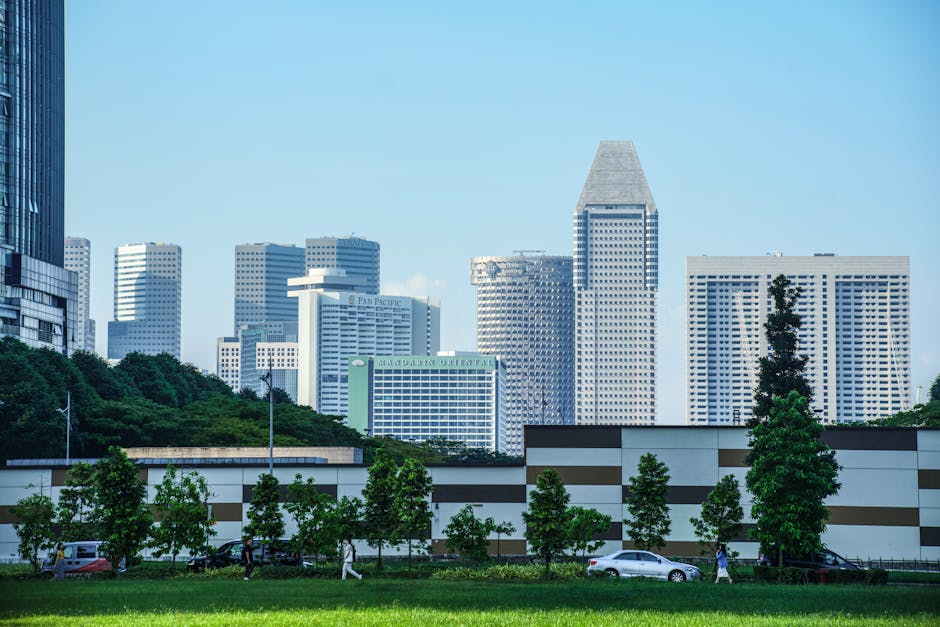
Singapore’s 2026 Climate and Energy Initiatives: Navigating Household Management in a Sustainable Era
Singapore’s upcoming 2026 sustainability push marks a pivotal moment for household managers. Whether you oversee a condominium, private home, or HDB flat, the landscape of domestic management is evolving—offering both opportunities and new responsibilities.
As energy prices and climate pressures intensify, GoodHelp readers are seeking ways not just to find maid in Singapore, but also to balance household comfort, cost, and resilience. This article unpacks the practical implications of Singapore’s climate and energy initiatives and provides clear, actionable advice tailored to your household type and management approach.
Key Trends and Strategies for Household Managers
Expanded Energy Efficiency Grants and Utility Cost Stabilization
At the heart of Singapore’s strategy is a S$1 billion support package that extends the Energy Efficiency Grant (EEG) to all business sectors, with validity through 2028. While the EEG is not currently available for residential households, its expansion signals a strong government commitment to energy affordability. For household managers, this means:
- Potential stabilization of utility costs, as commercial efficiency trickles down to residential pricing
- Possible future eligibility for grants, rebates, or subsidized energy-saving technologies
- Greater competition among energy providers, resulting in more cost-effective plans for households
Heat Resilience: Keeping Your Household Comfortable
Designated as the Year of Climate Adaptation, 2026 will see S$40 million invested in adapting to heat impacts and supporting cooling innovation. This is especially relevant for condo and HDB managers, who are responsible for ensuring comfort during increasingly hot periods.
- Government-funded research may lead to new, affordable home cooling solutions
- Subsidies for lower-income households could bridge the gap in access to cooling technology
- Enhanced building standards for heat resilience may influence renovation plans
Coastal Protection and Property Resilience Planning
Long-term studies recommend raising dykes between Tuas Checkpoint and Lim Chu Kang, with mid-2030s construction targeted. A proposed coastal protection law may require private landowners—including condo and landed property owners—to implement resilience measures.
- Households in coastal districts must monitor future compliance costs
- Potential need for property upgrades—water barriers, landscaping changes, infrastructure reinforcement
- Insurance implications: New resilience standards could affect premiums and coverage
State and Recommendations: Actionable Guidance for Household Managers
- Monitor Energy Incentive Rollouts: Track changes in utility pricing and potential residential grant announcements. Engage with your energy provider to understand upcoming efficiency programs.
- Prioritize Cooling Upgrades: Seek out government-backed cooling solutions or subsidies. Audit your home’s insulation, ventilation, and cooling appliances, and consider replacement schedules aligned with upcoming incentives.
- Anticipate Compliance for Coastal Properties: Review property insurance, structural integrity, and stay ahead of future requirements. Budget for resilience improvements where needed.
- Integrate Sustainability Into Hiring: When looking to find maid in Singapore, factor in candidates’ familiarity with energy-saving household routines, and willingness to learn sustainable practices.
- Educate Your Household: Brief domestic helpers and residents on energy and climate adaptation measures to maximize effectiveness and compliance.
- Leverage Financial Tools: Compare mortgage, insurance, and renovation loans to support planned upgrades or compliance initiatives. Seek curated offers that reward sustainable investments.
Comparison Table: Domestic Helper Choices and Management Styles
| Aspect | Live-in | Part-time | First-time Helper | Experienced Helper | Cultural Fit | Skill Depth | Attitude | Premium Services | Standard Services | Agency Hire | Direct Hire | Long Contract | Trial Mindset |
|---|---|---|---|---|---|---|---|---|---|---|---|---|---|
| Availability | 24/7 | Flexible, hourly | Learning curve | Ready skills | Adaptable | High (if trained) | Test during trial | Specialist tasks | General tasks | Structured process | Personal selection | Security, continuity | Less commitment |
| Cost | Fixed monthly | Variable | Lower initially | Higher, justified | May require adjustment | Depends on experience | Attitude shapes outcome | Higher pricing | Baseline pricing | Agency fees | No commission | Bond, longer term | Try before commit |
| Risk | Lower (covered) | Higher (no bond) | Training risk | Less risk | Potential friction | Can be cross-trained | Motivation varies | Guarantees included | No warranties | Replacement support | Self-managed | Stable | Flexible, agile |
Segmentation: Challenges & Opportunities by House Type
Condominiums
Challenges: Condo managers face the dual responsibility of maintaining common spaces and private units amid evolving climate standards. Heat resilience is particularly pressing, as shared amenities (pools, gyms, gardens) may require upgrades and stricter cooling technologies.
Opportunities: Bulk purchase programs for energy-efficient appliances and cooling systems, plus property-wide sustainability audits. Condo managers should also leverage community networks for education and compliance.
Private Homes (Landed Properties)
Challenges: Private homeowners must anticipate direct compliance with coastal protection laws, driving up potential costs for resilience investments. Managing a helper may also involve integrating sustainability best practices across multiple rooms or floors.
Opportunities: Early adoption of advanced cooling and coastal protection solutions may earn government rebates. A direct approach to find maid in Singapore can prioritize candidates with experience in climate adaptation routines.
Public Housing (HDB Flats)
Challenges: Lower-income HDB households may be more exposed to heat stress, with limited budgets for cooling upgrades.
Opportunities: Government subsidies and support schemes are likely to favor HDB residents, making energy upgrades, insulation improvements, and cooling solutions more accessible. Managers can tap into community grants and training for domestic helpers.
Comparison: Key Differences and Strategic Moves
- Condo: Shared responsibility, community-driven upgrades, more support for bulk purchasing.
- Private home: Greater autonomy, direct compliance responsibility, higher potential upfront investment but more government trial options.
- HDB: Easier access to subsidies and community programs, but stricter budget constraints.
Strategic Tip: No matter your house type, prioritize finding a domestic helper trained in sustainable household routines, and stay alert for government-backed community initiatives.
Climate adaptation is not just an environmental issue—it is a day-to-day management priority for Singapore’s household managers. Proactive steps taken now can unlock savings, comfort, and resilience well before future compliance costs arrive.
Conclusion: The Strategic Importance of Climate-Aware Household Management
Singapore’s 2026 climate and energy initiatives represent a paradigm shift for household managers. By staying informed on upcoming grants, heat resilience solutions, and coastal protection rules, you position your household for financial savings, regulatory compliance, and enhanced comfort.
For those seeking to find maid in Singapore, integrating climate-awareness and energy efficiency into your hiring and management practices is both forward-thinking and increasingly expected.
What’s next? We anticipate that the government will extend energy efficiency grants to households, launch more targeted cooling subsidies, and ratify coastal protection laws affecting private property owners. Keeping your eye on these trends—and acting early—ensures your household stays ahead of the curve.
Ultimately, climate adaptation is not a distant concern—it is a practical, everyday responsibility that will define the quality and cost of household living in Singapore for years to come.