
Singapore 2026 Cost-of-Living & Housing Support: Ultimate Guide To Optimising Helpers, Home Budgets, And Government Perks For HDB, Condo & Landed Households
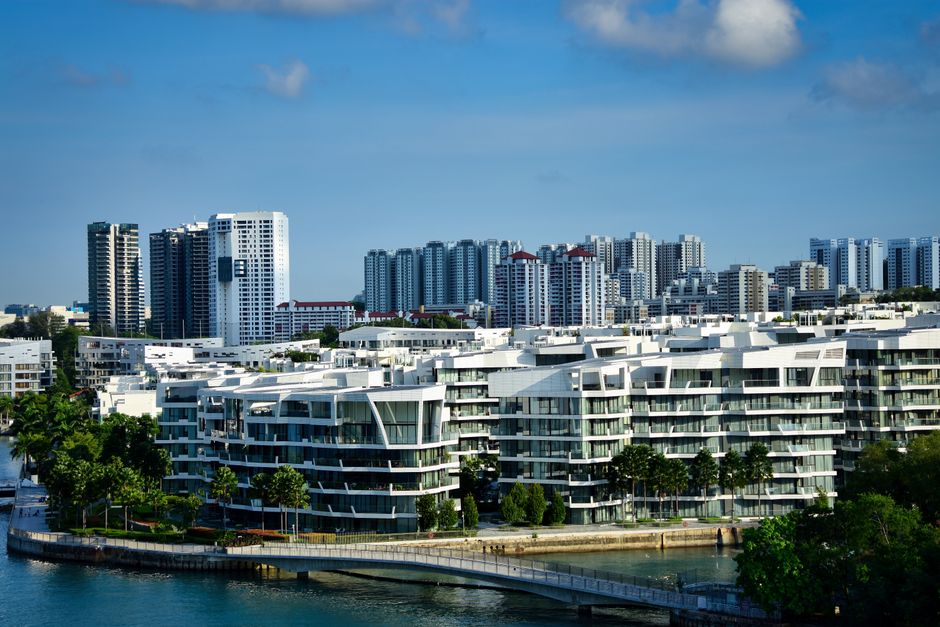
Optimising Helper and Household Budgets in Singapore: 2026 Strategies for Condo, Private, and HDB Families
Managing a modern Singaporean household—whether in a bustling HDB estate, a sleek condominium, or a tranquil landed home—demands more than everyday routines. It’s about balancing daily life, caregiving needs, and long-term financial planning, all while maximising value from government support. With the latest Budget 2026 initiatives, including boosted cost-of-living cash and CDC vouchers, ramped-up public housing supply, and stricter private property safeguards, household decision-makers have a new toolkit to stretch resources and raise their quality of life. For anyone seeking to find maid in Singapore, optimise their helper in Singapore budget, or hire a trusted MDW Singapore, understanding these changes is essential.
Key Trends and Strategies for Helper-Dependent Households in 2026
1. Direct Cost-of-Living Support: More Cash, Wider Coverage
In 2026, over 2.4 million adult Singapore citizens will receive between S$400 and S$600 in cash via the Cost-of-Living (COL) Special Payment. Eligibility covers singles and families with an assessable income up to S$100,000 and no more than one property. On top of this, every household—across HDB, condominiums, and landed homes—will receive S$500 in CDC vouchers for daily essentials. Larger families can receive up to S$8,700 per member in total transfers, strengthening their capacity to cover helper costs.
2. Foreign Domestic Worker Levy: Unchanged Structure, New Planning Imperative
The FDW levy framework remains, with key details:
- Normal levy (1st helper): S$300/month
- Subsequent helpers: S$450/month
- Concessionary levy: S$60/month for families caring for young children, seniors, or persons with disabilities
This means households should now strategically channel government transfers to offset helper costs, insurance, and rest-day expenses.
3. Public Housing Supply: More Space, Faster Moves, New Senior Options
HDB plans to launch 19,600 BTO flats in 2026, including 4,000 with waiting times under three years. Minimum Occupation Period (MOP) flats entering the resale market will climb to 13,500 units, stabilising prices and easing upsize moves. Notably, the minimum age for Community Care Apartments (senior living) drops to 55, with subsidies slashing fees by up to 75%.
4. Private Property Regulation: Stronger Consumer Safeguards
From early 2026, new regulations increase transparency for condo and landed property buyers—clarifying maintenance fees, construction timelines, and facilities access. This matters for families budgeting for a helper in Singapore in tandem with mortgage and MCST fees.
5. Integrated Financial Planning for Helper Households
By combining cash transfers, targeted vouchers, and housing options, Singapore’s 2026 policy set empowers families to find maid in Singapore or MDW Singapore solutions with greater confidence. Digital budgeting tools, insurance bundles, and household appliance offers can further streamline expenses.
State and Recommendations for Firms and Households
- Segment government support: Allocate COL Special Payment specifically to helper levy and insurance. Use CDC vouchers for household essentials, freeing cash for wages or helper equipment upgrades.
- Monitor eligibility for concessionary levy: Households caring for young kids, elderly, or PWDs should actively maintain documents and inform MOM of changes, to avoid losing the S$240/month savings per helper.
- Budget for rising helper costs: Use GoodHelp calculators or budgeting apps to anticipate salary increments, rest day changes, and one-off investments (e.g., robot vacuums) that ease your helper’s workload.
- Plan housing moves with helper needs in mind: Before upgrading to a larger HDB or EC/condo, factor in space, privacy, and helper accommodation for the long term.
- Review mortgage and insurance options annually: As BTO and resale HDB supply expands, explore refinancing or right-sizing to optimise both mortgage and helper budgets. Check that maid insurance covers higher medical and liability costs.
- Engage helper agencies and platforms: Evaluate whether to use agencies or direct hire tools, considering ongoing support, replacement policies, and service standards.
- Educate on new private housing safeguards: Before purchasing, understand MCST rules and fees, especially those affecting helpers’ access to facilities, visitor rights, and living arrangements.
Summary Comparison Table: Helper Hiring & Management Factors
| Factor | Live-in | Part-time | First-time Helper | Experienced Helper | Cultural Fit | Skill Depth vs Attitude | Premium Services | Standard Services | Agency Hire | Direct Hire | Contract Duration | Trial Mindset |
|---|---|---|---|---|---|---|---|---|---|---|---|---|
| Accommodation | Required | Not required | Flexible | Usually live-in | Crucial | Trainable attitude | Often bundled | Basic coverage | Provided | Self-managed | 2 years | Short-term options |
| Cost predictability | Higher (levy, salary) | Hourly/day-rated | Lower salary | Higher salary | Requires integration | Skills may vary | Includes insurance/claims | Salary+levy only | Transparent fees | Lower upfront cost | Locked-in | Greater flexibility |
| Suitability | 24/7 needs, large families | Ad hoc help, smaller homes | Willing to learn | Immediately effective | Adapts to family | May need more training | Specialised skills (eldercare) | General support | Replacement option | Personal referrals | Long-term planning | Test compatibility |
Segmentation: Challenges & Opportunities by House Type
Condominiums & Private Housing
Challenges: Higher cost base (levy, salary, MCST fees), requirement for dedicated helper space, navigating new regulatory disclosures, and balancing mortgage with helper expenses.
Opportunities: Enhanced consumer safeguards, facilities (pool, gym) for helper and family, and the potential to use COL transfers to offset helper or MCST costs. With more clarity from new private property rules, families can better forecast long-term budgets.
Public Housing (HDB)
Challenges: Space constraints for live-in helpers, eligibility rules for concessionary levy, and competition for new BTO flats.
Opportunities: Higher BTO supply, more grants, greater resale options, and streamlined transition for seniors into Community Care Apartments. Many HDB families can access the S$60/month concessionary levy if caring for dependents, significantly reducing helper costs.
Comparison: Key Differentiators
- Cost structure: Condo/landed families pay higher fees (levy, MCST, maintenance) but gain space and amenities for helpers, while HDB families can access bigger grants and lower helper levies.
- Flexibility: HDB families benefit most from new BTO supply and can rapidly adapt to changing helper or caregiving needs (e.g., parents moving to Community Care Apartments).
- Transparency: All segments must understand changing regulatory landscapes—especially with new consumer protection in private housing—when planning for a helper in Singapore.
"The combined effect of expanded cost-of-living support, increased BTO and resale supply, and stronger private property safeguards marks a new era of resilience and flexibility for Singapore’s helper-reliant households—those who plan ahead will be best placed to thrive."
Conclusion: Strategic Outlook for Singaporean Helper-Dependent Households
The evolving policy landscape delivers both immediate relief and long-term opportunity. By strategically ring-fencing government transfers, leveraging enhanced HDB and private property options, and carefully planning for helper costs, Singapore’s households can reinforce their financial and domestic stability. The future will likely see even tighter integration between government support, digital financial tools, and tailored household services.
As caregiving needs rise and the find maid in Singapore market responds to tighter regulation and new consumer expectations, those who adopt a proactive, whole-of-household approach will remain resilient—no matter how turbulent the economic environment becomes. Households and firms alike should stay agile, review budgets and insurance frequently, and take advantage of every policy lever available for 2026 and beyond. The era of the “GoodHelp” household has truly arrived.