
Singapore 2026 Guide: How Softer HDB Prices, Policy Changes, And Helper Costs Can Transform Your Household Finances
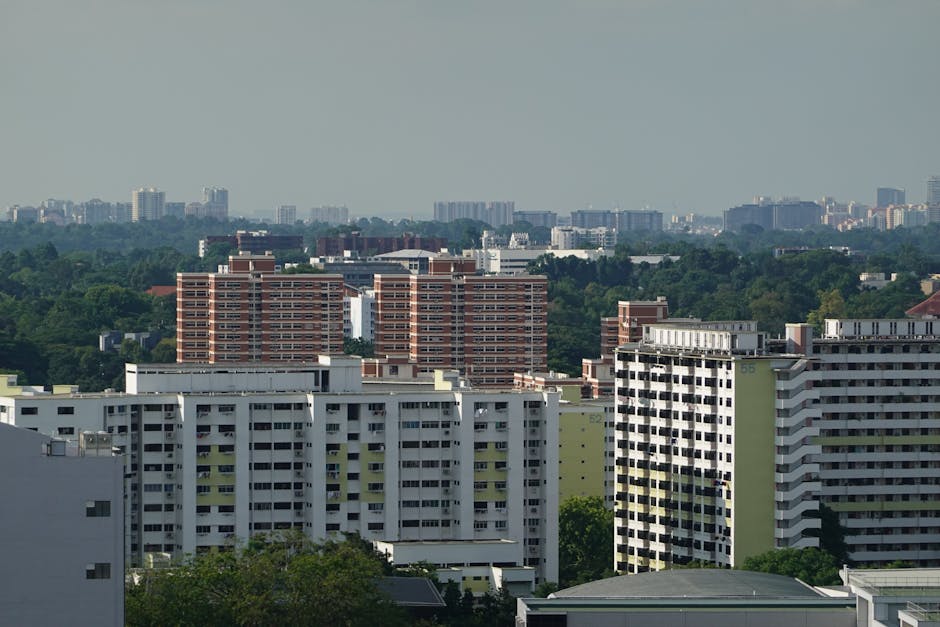
Restructuring Home and Helper Setup in Singapore (August 2026): Navigating Property, Helper Costs & Policy Changes
2026 has ushered in a rare convergence in Singapore’s household landscape: a quietly rebalancing property market, sustained tightness in helper in Singapore costs, and a policy shift that opens new doors for families considering their next move. Whether you’re looking to find maid in Singapore, reassessing mortgages, or seeking smarter ways to optimise MWD Singapore household routines, these updates matter—potentially saving your family thousands while safeguarding flexibility and care continuity.
For GoodHelp’s readers—savvy, financially aware Singapore-based adults managing family life—this is a window for smart action. Let’s break down the trends, new opportunities, and best-practice strategies across different households: condominiums, private landed, and HDB/public housing.
Key Trends and Strategies for Singapore Households in 2026
1. Diverging Property Markets: HDB Softness, Private Resilience
The property market is showing divergent signals. Over the first half of 2026, HDB resale prices dipped for two successive quarters—marking a notable pause after nearly seven years of steady growth. Meanwhile, private home prices, including condominiums, rose modestly (+0.9% Q1, +0.5% Q2; +2.9% year-on-year), supported by limited new supply despite a pipeline of 61,000 units set to complete in the coming years.
What this means for you:
- HDB owners: A rare chance to upsize or shift location for family and helper needs without buying at a peak.
- Condo/private owners: Still-positive asset values allow strategic refinancing or “right-sizing”—selling into a strong market and buying into a softening one.
2. Policy Easing: Fast-Tracking Private-to-HDB Moves
A game-changing shift from July 2026 is the removal of the 15‑month wait‑out period for private property owners purchasing non-subsidised HDB resale flats without an HDB loan. As movement between private and public markets is now easier, the 2026 window allows:
- Liquidating private condos or landed homes at near-peak prices—and shifting swiftly into resale HDBs for major cost and location flexibility.
- Improved access to space for live-in helpers or proximity to childcare/schools, with potential mortgage and maintenance savings redirected to helper benefits, insurance, and support budgets.
3. Helper Costs: High, Regulated, But Manageable
Hiring a helper in Singapore remains highly regulated. In 2026, most families face:
- Salaries in the low $600s (fresh) to $850+ (experienced), plus insurance, levy, agency, and medical screening fees.
- Levy concessions ($60/month) for households with children under 16, seniors over 67, or persons with disabilities—a vital but often overlooked budget factor.
- Strict limits on deployment and duties—helpers may only work for you, at your registered residence, with notification required for occasional care at relatives’ homes.
4. Part-Time Help: The Household Services Scheme (HSS) Expands Options
For families not needing full-time live-in support, the Household Services Scheme (HSS) offers a compliant, lower-commitment path via part-time cleaning, child-minding, and errands—contracted with licensed companies, not individuals. This is especially useful for smaller condos and HDB units, or as a supplement while trialling the need for a live-in helper.
5. Mortgage Optimization and Helper-Ready Budgets
With shifting prices and mortgage rates, smart household managers will:
- Assess refinancing opportunities before rates rise or private prices soften.
- Factor in recurring helper costs (salary, levy, insurance, food, and replacement reserves) when deciding home size, tenure, and financial commitments.
- Use cost calculators or budget templates that integrate both mortgage and helper obligations for a realistic sense of affordability.
State and Recommendations by House Type (August 2026)
Condominiums & Private Landed
- Refinance or Right-Size Now: Take advantage of stable-to-rising values for refinancing, or sell at a premium and move to bigger HDBs before resale prices rebound.
- Helper Cost Vigilance: Budget for higher salaries (experienced helpers, specialty skills) and ensure insurance and rest day compliance to protect your family and helper.
- Explore Rental Yield: If downsizing, consider renting out a room for supplementary income—while maintaining adequate space for your helper in Singapore.
HDB/Public Housing
- Upgrade Strategically: Capitalise on soft prices to secure larger or better-located flats to accommodate a helper or be near extended family.
- Use Levy Concessions: Households with children, elderly, or disabled should always apply for the $60/month concessionary levy—this alone makes a live-in find maid in Singapore much more attainable.
- Budget for Stability: Avoid over-leveraging despite the urge to upgrade, and ensure you can maintain 6–12 months of emergency funds covering both mortgage and helper costs.
All Households
- Choose the Right Helper Fit: Prioritise experienced helpers for complex needs, but don’t overlook skill attitude or cultural fit. Trial periods (where allowed by agencies) may save long-term costs and stress.
- Consider Part-Time Alternatives: For smaller households or those not ready for a live-in commitment, use HSS companies for schedule-based cleaning/errands.
- Integrate Insurance and Risk Management: Bundle home and helper-related insurance for full risk coverage—protecting both your family’s assets and the wellbeing of your helper.
Summary Comparison Table
| Aspect | Live-in Helper | Part-time HSS | First-time Helper | Experienced Helper | Cultural Fit | Skilldepth/Attitude | Premium Agency Services | Standard Agency/Direct Hire | Long Contract | Trial/Shorter Mindset |
|---|---|---|---|---|---|---|---|---|---|---|
| Availability & Flexibility | 24/6 support; overnight | Scheduled; limited hours | Learning curve; needs training | Immediate, efficient | Key for harmony | Skills more vital with complex needs | Curated, more guarantees | Lower upfront; more DIY effort | Security for both parties | Agile, test before committing |
| Cost | Higher (salary, levy, food, lodging) | Pay-per-use; no levy, bond | Lower salary/beginner | Higher salary, less training | May require premium rates for “fit” | Willingness > hard skill for some roles | Higher cost, more support | Lowest cost, fewer perks | Best for strong relationships | Manage risk; swap if misfit |
| Compliance Risk | Work permit, strict rules | Agency responsible | Requires employer diligence | Less hand-holding needed | Misfit risks turnover | Right attitude smooths onboarding | Often includes case management | Employer manages risks directly | Legal obligations more predictable | Fewer long-term risks |
Challenges and Opportunities by House Type
Condominiums & Private Landed
Challenges: Maintaining high helper satisfaction and compliance amidst escalating salary and housing costs; integrating helper into family privacy; risk of over-leveraging if refinancing isn’t handled prudently.
Opportunities: Monetising unused space (rentals), leveraging refinancing, and upsizing helper skill-level to suit children’s or seniors’ care. Ability to “right-size” to HDB for more efficient cash flow—especially given the eased wait-out rules.
HDB/Public Housing
Challenges: Space constraints for helpers; tighter household budgets; overextension if stretching for larger flats.
Opportunities: Upgrading in a buyer’s market, using the $60 levy concession, trialling live-in vs part-time arrangements, and improving family support networks by moving closer to parents or schools.
Comparison Segment: Live-in Helper vs Part-Time Support
- Live-in Helper: Best for families needing sustained care (children, elderly) or with complex routines. Highest cost but greatest flexibility and availability.
- Part-Time (HSS): Suitable for smaller homes, couples, or transitional periods. Cost-effective, less privacy impact, and lower compliance risk. No levy or bond required, but services are less personalised and not available overnight.
“Singapore’s August 2026 alignment of softer HDB prices, resilient private property, and policy easing presents a rare chance for households to restructure their living and care arrangements—freeing up cash, improving helper access, and future-proofing household budgets in an evolving employment and property landscape.”
Conclusion: What Next for Households Seeking to Find Maid in Singapore or Restructure Helper Setups?
The coming months are crucial for proactive households. Whether you aim to find maid in Singapore for the first time, hire a helper in Singapore, or review your mortgage and housing options, August 2026’s policy and market alignment is your call to action. The smartest families will:
- Seize the opportunity to right-size homes and budgets—leveraging price trends and flexible policy changes.
- Integrate full cost and compliance checks—using tools, agencies, and concession schemes to make helper retention affordable and sustainable.
- Consider the full menu: live-in, part-time, first-time vs experienced, cultural fit, and premium vs standard support—matching each to your unique household needs.