
Singapore 2026 HDB Resale Boom: What Punggol, Queenstown & Toa Payoh Families Need To Know For Smart Home & Budget Decisions
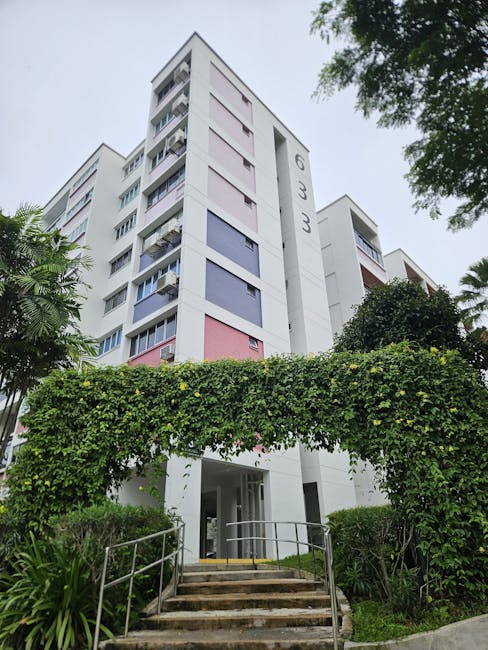
Singapore’s 2026 Housing Market: A Game-Changer for Household Managers and Domestic Help Decision-Makers
Navigating Singapore’s residential landscape is always dynamic, but 2026 marks a fundamental shift—especially for those responsible for household management, budgeting, and hiring domestic helpers. With a near-doubling of HDB resale supply hitting the market, plus government initiatives to expand housing choices and reduce waiting times, the coming months offer a rare window for households to synchronize relocations, upgrades, and find maid in Singapore arrangements with unprecedented flexibility. This article is your roadmap to leveraging these changes for smarter, more empowered domestic and financial decisions.
Key Trends and Strategies: Maximizing Opportunities in 2026
Explosive Supply Surge Empowers Buyers
The standout development is the arrival of approximately 13,400 HDB flats reaching their Minimum Occupation Period (MOP). This supply spike is not only historic but uniquely beneficial for household managers who want genuine negotiation leverage—whether upgrading or simply relocating. For those who purchased flats between 2018–2020, your embedded equity puts you in a strong financial position, and the buyer’s market means you can prioritize your next home’s layout, proximity to amenities, and ease of domestic routine without rushing to secure a unit.
Affordability and Budgeting Power
Price growth is projected to moderate, with annual increases of only 0–2%—a far cry from the volatility of previous years. Concurrently, mortgage rates are expected to decline, with SORA trending toward 1.00% in 2026. This translates to lower monthly repayments, liberating household budgets for other outlays such as find maid in Singapore services, childcare, or insurance. The predictable pricing environment enables better planning for both housing and staffing costs.
Supply Pipeline and Choice Precincts
Major residential precincts like Northshore Drive (Punggol), Margaret Drive (Queenstown), and Bidadari Park Drive (Toa Payoh) are highly attractive for families seeking connectivity to schools and helper drop-off points. These locations, well-serviced by amenities and transport, minimize transition friction for households moving with children or requiring logistical convenience for their helpers.
Private Sector Launches: New Horizons for Upgraders
The H1 2026 Government Land Sales programme is the largest since 2017, with most new launches in the Outside Central Region (OCR) priced in the S$1.6–2.1 million range. This segment is the sweet spot for middle-income upgraders, offering value and accessibility without compromising on quality—especially relevant for families balancing mortgage obligations with domestic help budgeting.
Accelerated BTO Timeline: Flexibility for Domestic Arrangements
Around 4,000 shorter-waiting-time BTO flats per year mean the traditional 3–5 year waiting period is trimmed significantly. This gives household managers the luxury to plan helper contracts, move-in schedules, and school transfers in advance, without being forced into hurried, reactive decisions.
State and Recommendations: Action Plan for Household Managers
- Time Your Upgrade: If you own an HDB flat that reached MOP between 2018–2020, consider listing during the surge for maximum equity extraction and leverage in negotiations.
- Leverage Buyer’s Market: Utilize the influx of supply and subdued price growth to negotiate favorable terms—whether in resale or BTO, and redirect saved funds toward premium find maid in Singapore services.
- Budget Proactively: With mortgage rates likely declining and price stability, reassess your household budget to accommodate insurance, helper salaries, and household upgrades.
- Match Domestic Help Timing: Use shorter BTO timelines or resale flexibility to synchronize move-in and helper hiring contracts, avoiding costly overlaps or gaps.
- Prioritize Amenities: Target precincts with strong transport links and community facilities to ease transitions for children and helpers, optimizing daily routines.
- Stay Informed: Track updates from policy signals as the government pivots away from affordability crisis messaging—an indicator of stabilizing supply and favorable conditions for households.
Comparison Table: Domestic Helper Hiring Strategies
| Aspect | Live-in Helper | Part-time Helper | First-time Helper | Experienced Helper | Cultural Fit | Skill Depth | Premium Service | Standard Service | Agency | Direct Hire | Long Contract | Trial Mindset |
|---|---|---|---|---|---|---|---|---|---|---|---|---|
| Housing Type | Condo, Private | Public, Condo | All types, needs more support | Private, Condo, less supervision | Any—match family values | Private, larger homes | Private, high-budget | Public, cost-constrained | Structured, reliable | Flexible, direct control | Private, long-term needs | Public, flexible needs |
| Challenges | Privacy, integration | Scheduling, continuity | Training, adaptation | Higher salary, expectations | Diverse backgrounds | Finding specialty skills | Justifies premium cost | Limited scope | Paperwork, cost | Risk, vetting | Commitment | Turnover risk |
| Opportunities | 24/7 support | Flexible coverage | Cost savings | Reduced supervision | Family harmony | Deep expertise | Full-service packages | Affordable, basic | Support network | Direct fit | Stability | Adaptable workforce |
Segmentation: Tailoring Strategies by Housing Type
Condominiums
Condominium households generally have the space and privacy to accommodate live-in helpers, making them ideal for hiring experienced, full-time domestic staff through agencies or premium services. The challenge is balancing privacy and integration, but opportunities abound for leveraging skills such as childcare, cooking, and elder care. Budget flexibility enables trial contracts, skill depth, and cultural alignment.
Private Housing
Private homes—such as landed property or cluster housing—often require helpers with deep expertise in maintenance or specialized skills. Larger space means both live-in and part-time models are viable, but supervision needs are lower for experienced helpers. Agencies are preferred due to paperwork and reliability. The opportunity is in customizing contracts or negotiating premium service packages aligned with household complexity.
Public Housing (HDB)
Public housing units, usually smaller and more budget-sensitive, are best suited for part-time or first-time helpers. Emphasis is on cost containment, flexible scheduling, and aligning contract duration with household changes. Direct hire strategies can reduce agency costs but require careful vetting. Shorter BTO timelines and expanded resale options empower managers to match helper contracts with move-in dates, minimizing overlap costs.
Comparison: Challenges vs Opportunities
- Condo & Private: More options for live-in, premium, and experienced helpers; but integration and privacy require active management.
- Public: Budget-driven, flexible arrangements and trial contracts work best; but require more hands-on oversight and adaptability.
- All Segments: 2026’s supply surge levels the playing field, empowering all households to find maid in Singapore on their own terms, regardless of sector.
"The 2026 surge in HDB resale supply and streamlined BTO timelines means household managers have more negotiating power and flexibility than ever before—enabling not just smarter home upgrades, but truly optimized domestic help arrangements for the modern Singapore family."
Conclusion: Strategic Advantage for Proactive Household Managers
Singapore’s 2026 housing market is not just a real estate story—it’s a domestic management revolution. With flattened price growth, lower borrowing costs, and abundant housing choices across precincts, household managers have new tools to control both their living environment and helper arrangements. For GoodHelp’s readership, this means it’s easier than ever to find maid in Singapore that fits your evolving needs, synchronize contracts with relocations, and redirect budget savings toward household quality-of-life improvements.
Looking forward, expect domestic help agencies to innovate with more flexible, trial-based hiring models and premium packages tailored to budget-conscious, empowered families. The acute supply crisis of years past is fading, ushering in a new era of proactive, confident household decision-making where managers shape their own destiny—rather than react to market shortages.