
Singapore BTO Feb 2026: Shorter Waiting Time Flats In Tampines & Sembawang—Budget Tips, Helper-Friendly Layouts, And Mortgage Savings
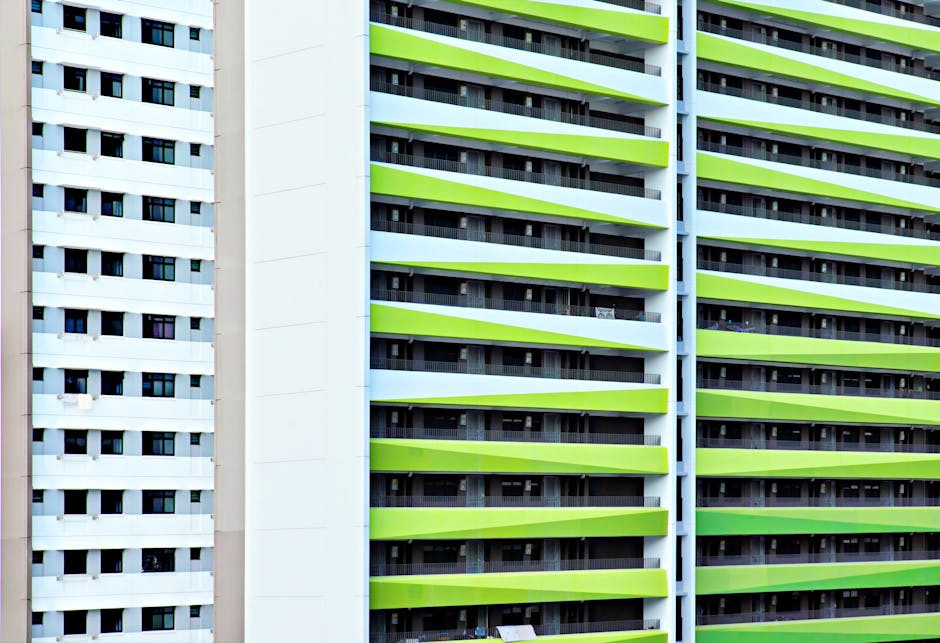
Singapore’s February 2026 HDB BTO Launch: Smart Moves for Households with Domestic Helpers
The upcoming February 2026 HDB Build-to-Order (BTO) sales launch brings a wave of opportunity for Singaporean families managing dynamic households and employing domestic helpers. With over 1,300 shorter waiting time (SWT) flats becoming available across major estates, this launch is set to empower those looking to find maid in Singapore and optimize home management without the traditional wait or price premium of the resale market.
For GoodHelp readers—adults navigating the complex landscape of domestic staffing, housing upgrades, and household finance—this moment is pivotal. The February 2026 BTO exercise, paired with rising availability in the Sale of Balance Flats (SBF) scheme and favorable mortgage conditions, lets you future-proof your home while supporting the needs of both your family and domestic helpers. Whether you’re in public housing, a condominium, or a landed property, fresh BTO options cater to diverse routines, privacy needs, and helper-management strategies.
Key Trends and Strategies for Households With Helpers
Shorter Waiting Times Transform Planning
The days of waiting four to five years for BTO completion are fading—selections like Tampines Bliss (284 units of 3- and 4-room flats) and Tampines Nova offer handover in under three years, sited near MRT and amenities—ideal for families planning space for helpers, storage, or future children. In the north, Sembawang Deck (777 units, 2- to 5-rooms) lets households benefit from quicker move-ins and emerging infrastructure.
This BTO cycle gives those looking to find maid in Singapore a rare opportunity to synchronize recruitment with move-in schedules, minimizing disruption to both the family and the domestic helper’s adaptation.
Financial Opportunity: Larger SBF Pool and Lower Mortgage Rates
Budget-conscious households must note the 40% increase in Sale of Balance Flats (SBF)—over 4,300 concurrent units—delivering more immediate choices. This, alongside projected easing of SORA rates (possibly 0.7% by Dec 2026), directly supports manageable mortgage planning, crucial for those also budgeting for helper’s salaries, insurance, and living arrangements.
Flats with shorter waiting times offset urgent resale purchases and interim rental costs, especially as the HDB resale market stabilizes and more MOP (Minimum Occupation Period) units hit the secondary market.
Enhanced Choice Reduces “FOMO” Pressure
HDB’s total planned 2026 supply of about 19,600 new flats is a clear signal: buyers can choose wisely, with less fear of missing out, and focus on the optimal layout and locale for supporting a domestic helper efficiently.
Changes to eligibility criteria—likely adjustments to single-buyer age or income ceilings—further encourage flexibility, including for those assisting elderly parents or anticipating multi-generational living.
Helper Management: Matching Home Layout to Household Routines
Flats near MRT, green spaces, and childcare are not just lifestyle perks—they enable efficient routines for both household members and helpers. Storage, privacy, and access to amenities are crucial when families look to find maid in Singapore and support sustained well-being for all.
Consulting ERA agents for floorplan previews and mortgage simulations helps in comparing helper-friendly layouts, securing financing perks, and leveraging CPF Housing Grants.
State and Recommendations: Action Steps for Households and Firms
- Apply early: Start your HDB BTO application from February 2026 via the HDB portal. Check for updates on rule tweaks, especially if buying as a single or with variable income.
- Leverage CPF Housing Grants: First-timers and upgraders should optimize grants, reducing upfront costs—freeing up budget for helper expenses and household needs.
- Schedule site visits: Prioritize projects with shorter completion times. Assess proximity to transport, schools, and helper-support amenities.
- Seek expert previews: Tap on ERA or similar agents for walkthroughs and budget estimates. Request a “Budget 2026 Wishlist”—many offer complimentary mortgage simulation and helper layout advice.
- Balance affordability and helper well-being: Consider units with dedicated space (e.g., yard, spare room), and plan for insurance/levy costs alongside home financing.
- Monitor interest rates: With SORA forecast to fall, review mortgage choices regularly to lock in favorable terms.
- Stay informed: Monitor BTO, SBF, and resale trends for best-fit options as your family’s needs—and the domestic helper market—evolve.
Summary Comparison Table: Helper Hiring and Management Approaches
| Criteria | Live-in | Part-time | First-time Helper | Experienced Helper | Cultural Fit | Skilldepth vs Attitude | Premium Service | Standard Service | Agency | Direct Hire | Contract Duration | Trial Mindset |
|---|---|---|---|---|---|---|---|---|---|---|---|---|
| Public HDB Housing | Most common; space must be planned carefully | Alternative for smaller units | Lower cost, more training needed | Faster adaptation | Crucial in shared-living settings | Attitude often prioritized | Rare, but rising (elder/childcare focus) | Widely adopted | Regulated, support for disputes | Lower fees, more risk | 2-year standard | Some flexibility (replacement clauses) |
| Condominiums | Dedicated rooms; amenities support helpers | Flexible for smaller families | More support/training needed | Quick start for routines | Mixed; some condos restrict facilities | Skilldepth may be prioritized (e.g., eldercare) | Popular (childcare/eldercare) | Common | Full-service agencies preferred | More direct hire | Longer term, but more trial roles | Short-term or agency-led trial options |
| Private/Landed | Spacious; live-in almost universal | Rare | First-timers paired with training | Highly experienced often chosen | Important for long-term placement | Skilldepth crucial (gardening, pool, pets) | Mainstream (custom tasks) | Less common | Close relationships with select agencies | Occasional direct hiring from networks | Long-term focus; family integration | Trial less common due to relationship depth |
Challenges and Opportunities by House Type
- Public HDB Housing: Challenge: Space constraints and privacy for helpers; Opportunity: New BTOs offer improved layouts, proximity to MRT, and childcare facilities.
- Condominiums: Challenge: Helper access to condo amenities; Opportunity: Dedicated helper’s room, enhanced security, and estate support services.
- Private/Landed: Challenge: Higher running costs, more complex routines; Opportunity: Ample space, potential for long-term integration, and specialized helper skills.
Comparison Segment: Which Housing Type Suits Your Household?
- If your priority is cost-effectiveness and proximity to public amenities, public HDB BTOs—especially those with SWT—provide efficient routines for both helpers and employers.
- Condominiums are ideal for families who want a balance of privacy and lifestyle, but should clarify helper amenity access in advance.
- Private/landed homes allow for customized roles and routines, pairing best with experienced helpers or premium agency services.
“The 2026 BTO cycle is more than a property launch—it’s a blueprint for supporting the evolving needs of Singapore’s modern households, ensuring both families and their domestic helpers can thrive in space-optimized, financially sustainable homes.”
Conclusion: Strategic Insight and Future Outlook
The February 2026 HDB BTO sales launch marks a significant shift in Singapore’s housing landscape, opening doors for families that value efficient routines, helper well-being, and financial stability. By aligning home upgrades with helper hiring needs, and leveraging both public supply and expert guidance, households can navigate the evolving market with confidence.
In the near future, expect further alignment between HDB design innovation and the practical realities of find maid in Singapore and domestic management—think integrated storage, privacy features, and flexible-room layouts. Ongoing mortgage moderation and ample housing supply further tip the balance towards patient, well-informed decisions over rushed, fear-driven purchases.
Families that act on these insights will not only secure resilient homes but also lay foundations for sustainable, high-quality household environments where both employer and helper can flourish.