
Singapore BTO Flats: Shorter Waiting Times, Smarter Household Moves, And Financial Tips For HDB Residents
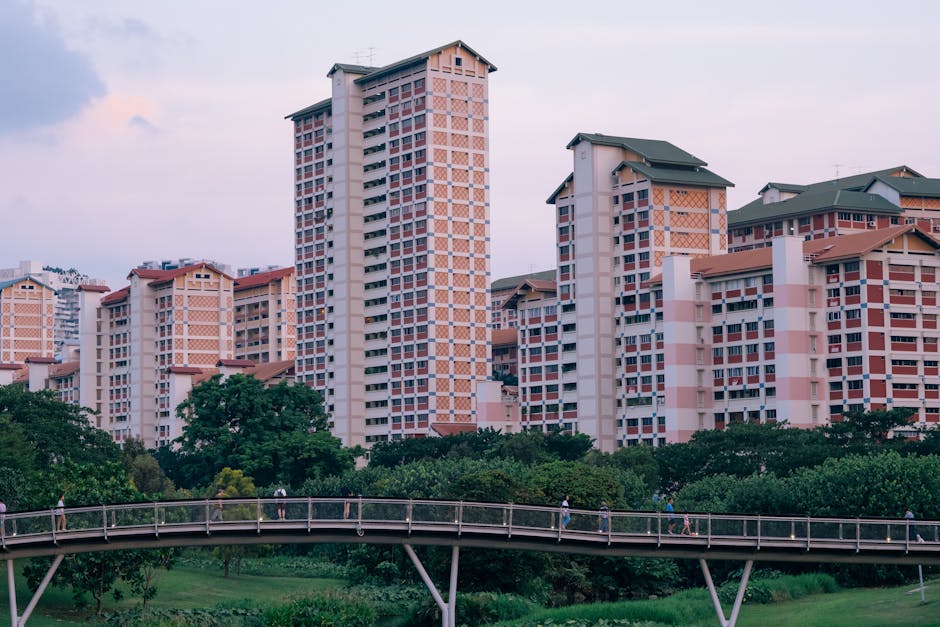
Shorter BTO Waiting Times: A Game-Changer for Singapore Household Managers
Singapore’s housing landscape is evolving fast. The recent update on shorter waiting times for Build-To-Order (BTO) public housing flats signals a pivotal shift for over 70% of local residents—especially those who are tasked with running efficient households, managing budgets, and finding maid in Singapore for support. For GoodHelp readers, these changes unlock new opportunities for faster moves, cost savings, and smoother transitions when hiring domestic helpers. This article explores the key trends, actionable strategies, and practical recommendations to help household managers—whether in public housing, private condos, or landed property—seize the moment and optimize their home routines.
Key Trends and Strategies
Shorter BTO Waiting Times: Faster Access, Streamlined Moves
Traditionally, the wait for HDB BTO flats ranged from 3 to 5 years—often complicating household planning, helper integration, and budget management. Now, with much shorter waiting times, household managers can plan moves more efficiently, set up new homes faster, and secure affordable housing without the competitive pressure of the resale market. These improvements mean less disruption for families and easier transitions for domestic helpers, especially when you’re finding maid in Singapore to fit your household’s needs.[1]
Budget-Friendly Upgrades: Redirecting Savings for Efficiency
With resale flat premiums potentially dropping, savvy managers can repurpose savings into practical upgrades—like comprehensive helper insurance, home safety features, or automation tools that streamline chores. Stable HDB flat sizes (e.g., 90 sq m for four-room, 110 sq m for five-room units) support flexible layouts for multi-generational living and designated helper quarters, important for optimizing day-to-day routines and maintaining harmony.[4]
Domestic Helper Integration: Smoother Onboarding in New Homes
Quicker BTO allocation helps families settle helpers sooner, reducing adjustment stress and supporting efficient household routines. Managers hiring first-time or seasoned helpers can use this transition to evaluate layout needs, privacy, and workflow—while services like GoodHelp's vetted sourcing packages make it easier to find maid in Singapore for tailored requirements.
Comparative Market Insights: Public vs Private Housing
While the private condo market remains sluggish and units are shrinking (average 50–70 sq m at upwards of $2,791 psf in prime locations), BTO relief expands affordable space for families and helpers. High-end condos see selective demand—such as VVIP sales at Newport Residences—but these premium moves favor affluent upgraders, not everyday household managers. The strategic advantage lies clearly with public housing for those seeking efficient routines and helper integration.[2][3]
State and Recommendations for Household Managers
- Apply Early for BTO Flats: Use HDB’s official portal to lock in shorter waiting times and secure stable, spacious units for your household and helpers.
- Pair Your Move with a Domestic Helper Service: Engage a vetted provider like GoodHelp to find maid in Singapore who matches your family’s routines and cultural needs—reducing disruption during the move and optimizing helper onboarding.
- Compare Mortgage Options: Explore banks offering HDB-friendly rates to lock in low-interest financing before the next rate hike. Consider leveraging savings from lower resale premiums for home improvements or insurance.
- Plan for Layout Optimization: Use stable HDB flat sizes to designate helper quarters and multi-generational living spaces, making routines smoother and privacy assured.
- Budget for Practical Upgrades: Redirect savings toward helper insurance, home safety, or smart-home tools to boost efficiency and reduce everyday stress.
Summary Comparison Table: Helper Management Options
| Criteria | Live-in | Part-time | First-time Helper | Experienced Helper | Cultural Fit | Skilldepth | Attitude | Premium Service | Standard Service | Agency Hire | Direct Hire | Contract Duration | Trial Mindset |
|---|---|---|---|---|---|---|---|---|---|---|---|---|---|
| Public Housing | Popular and cost-effective. Flexible space for helper quarters. | Frequent for short-term needs. Easy onboarding. | Adaptable but needs training; fits new layouts. | Quick integration; understands routines. | Emphasizes shared values, language ease. | Moderate; flexible with routine tasks. | Critical for harmony; patience valued. | Affordable premium (insurance, vetting). | Standard approach, basic screening. | Efficient with established agencies. | More control, but riskier onboarding. | Long-term contracts favored. | Short trial for fit assessment. |
| Private Condo | Space constraints; premium service needed. | Selective tasks; part-time popular. | Needs higher adaptability; luxury routines. | Quick mastery; accustomed to premium settings. | International backgrounds prioritized. | High skill depth, niche expertise. | Attitude toward privacy, discretion. | Frequent use; extra security checks. | Standard for basic needs. | Agency for compliance and vetting. | Direct via networks; higher risk. | Flexible short contracts. | Strong trial mindset; high churn. |
| Condominiums | Premium live-in; higher cost. | Part-time for specific schedules. | Training for luxury protocols. | Experienced with amenities. | Cultural fit for global residents. | Specialized skills (childcare, chef). | Attitude critical (brand standards). | Premium agency support, background checks. | Standard for daily cleaning. | Agency preferred for legal compliance. | Direct for urgent needs. | Varied (3-12 months). | Trial periods common. |
Challenges & Opportunities by House Segment
- Public Housing: Opportunity to leverage shorter BTO waits for affordable, spacious units; challenge lies in optimizing layout for helper quarters and multi-generational living.
- Private/Condo: Challenge with shrinking unit sizes and higher premium costs. Opportunity exists for families prioritizing luxury and skilled helpers, but limited space can complicate routines.
- Landed Property: Ample space and privacy, easier integration for live-in helpers. Challenges include higher costs, security, and maintenance.
Segment Comparison: Helper Management Across Housing Types
Public housing stands out for cost-effectiveness, stable sizing, and smooth helper integration—especially for families finding maid in Singapore with practical needs. Private condos, while offering luxury and premium amenities, require careful planning due to space constraints and higher costs. Landed properties deliver flexibility but demand advanced management and security routines.
“Shorter BTO waiting times empower Singapore household managers to make confident, efficient moves—enabling faster helper integration, budget reallocation, and optimized domestic routines for the majority of residents.” [1]
Conclusion and Forward-Looking Opinion
The shift toward faster BTO flat allocation is strategically important for household managers in Singapore. It not only provides quicker access to affordable, stable housing, but also simplifies routines—whether you’re finding maid in Singapore or just optimizing daily tasks. Families can redirect savings from lower resale premiums to meaningful upgrades, from helper insurance to smart home tools, ensuring smoother transitions and enhanced quality of life.
Looking ahead, as public housing policies evolve, expect greater digitization of application processes, expanded support for helper management, and smarter mortgage solutions tailored to household needs. Managers who act swiftly now—applying for BTO, engaging proven helper agencies, and budgeting for home upgrades—will be best positioned for both immediate and long-term success.