
Singapore Climate Adaptation 2026–2027: Essential Homeowner Guide To New Heat, Flood, And Coastal Protection Laws
Singapore’s Climate Adaptation Year: What Every Household Manager Needs to Know for 2026 and Beyond
As Singapore designates 2026 as the Year of Climate Adaptation, the city-state is setting a pioneering model for how urban communities can proactively address the realities of heat, rising sea levels, and energy demands.
For GoodHelp readers—many deeply involved in managing households, hiring and retaining helpers, and protecting the value of their homes—this national movement signals a new chapter. It’s not just an environmental issue anymore but a concrete factor affecting how you maintain your property, budget for coming changes, and even find maid in Singapore who are suited to evolving household needs.
With a landmark national adaptation plan launching in 2027, it is vital for every homeowner, whether in condominiums, landed private homes, or public HDB flats, to anticipate and plan for an adaptive future.
Key Trends and Strategies Shaping Household Management
Coastal Protection: New Obligations for Landowners
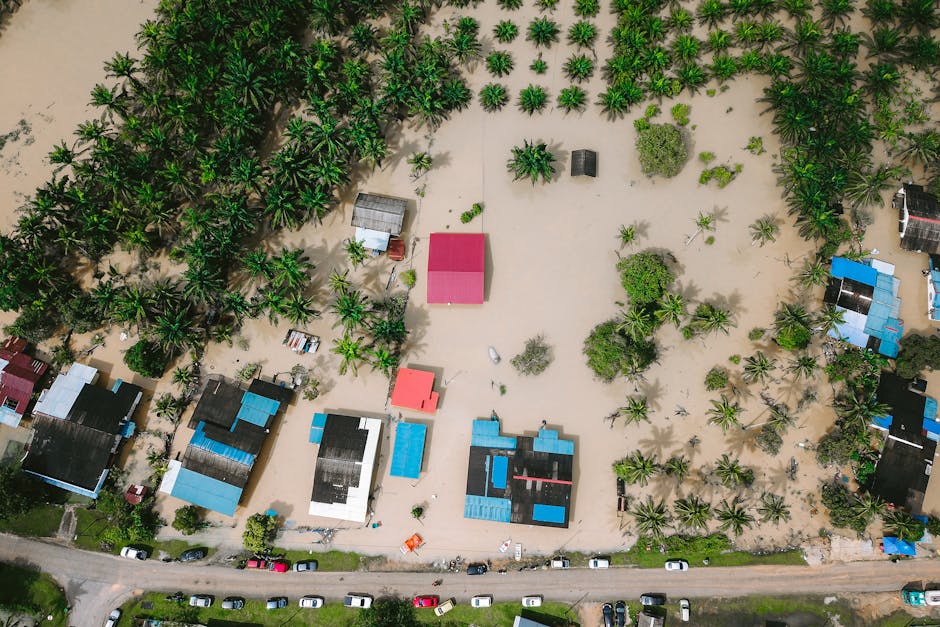
For those owning properties along the vulnerable coastline stretching from Tuas Checkpoint to Lim Chu Kang, coastal protection studies have recommended major infrastructure like dykes and advanced tidal gates.
What’s different now is a proposed coastal protection law that would directly require some private landowners to implement their own resilience upgrades—think flood barriers or raised foundations.
This means you should factor in not just current vulnerabilities, but also potential substantial modifications and costs when planning property investments or renovations.
It's also relevant to those who find maid in Singapore for household management, as the safety protocols and training for helpers may need to be updated in flood-prone zones.
Heat Resilience: Staying Cool, Protecting Vulnerable Groups
Singapore’s S$40 million Adapting to Heat Impacts initiative, under the Research Innovation and Enterprise 2030 masterplan, is set to trial and roll out cutting-edge cooling technologies.
This opens new opportunities for homeowners and household managers to access subsidized smart fans, energy-efficient cooling appliances, and insulation solutions, especially for households with elderly family members or young children who are more sensitive to heat stress.
Domestic helpers may also need orientation about new cooling devices and heat stress protocols as indoor conditions shift. Households seeking to find maid in Singapore are likely to prioritize experience in heat-aware routines and elderly care.
Energy Costs: Support, Efficiency, and Potential Relief
With S$1 billion in new government support and expanded Energy Efficiency Grants (EEG), energy expense relief now reaches more companies, indirectly signaling future benefits for residential utility management.
Household managers and helpers should stay alert for new grant programs or pilot schemes targeting homes, and consider investing in energy audits, efficient lighting, and appliance upgrades—potentially with partial government support in the years ahead.
Home Resilience Assessment: Start Sooner, Not Later
All homeowners—not only those on the coast—should conduct regular property risk assessments. For those managing helpers or considering how to find maid in Singapore with specific experience (e.g., flood response, first aid, heat safety), early adaptation will be a competitive household advantage.
State and Recommendations: What Should Household Managers Do Now?
- Conduct a Home Climate Risk Check: Assess if your property is prone to coastal flooding, excessive indoor heat, or other weather risks. Consider professional inspections if your household includes vulnerable members.
- Budget for Upgrades: Begin allocating funds or setting aside savings for necessary future modifications—whether for mandated flood resilience or elective cooling solutions. Watch for launch dates of new government programs.
- Train and Upskill Helpers: As new systems (smart cooling, emergency flood gear) enter homes, help your domestic staff adapt through clear SOPs and targeted training. When you find maid in Singapore, specify adaptation skills needed.
- Stay Informed: Subscribe to updates from NEA and the agencies rolling out the 2027 adaptation plan. Early adopters may benefit from pilot subsidies.
- Leverage Community Resources: Join MCST (condo) or HDB resident committees for bulk procurement of cooling or flood resilience solutions; share knowledge and resources with neighbors.
Comparison Table: Domestic Helper Choices in a Changing Climate
| Factor | Live-in Helper | Part-time Helper | First-time Helper | Experienced Helper | Cultural Fit | Skilldepth & Attitude | Premium Service | Standard Service | Agency Hire | Direct Hire | Long Contract | Trial/Short Term |
|---|---|---|---|---|---|---|---|---|---|---|---|---|
| Availability for Emergencies (Flood/Heat) | High | Low | Needs Training | Adaptable | Critical for Communication | Heat/Flood SOPs vary | Specialized readiness | Basic support | Screened for crises | Faster start | Stable for planning | Flexible, but less predictable |
| Adaptation Learning Curve | Continuous | Periodic | Steep | Smoother transition | Influences stress management | Willingness matters | Includes climate upskilling | Self-guided | Structured intro | Self-motivated | Longer investment | Test fit for adaptation |
| Cost & Budget Predictability | Known monthly | Hourly/variable | Low initial | Worth premium | Improves retention | Can justify higher pay | Higher cost/upskilled | Lower cost | Fees apply | No agency charge | Spreads costs | Trial before committing |
Opportunity & Challenge Segmentation by Home Type
Condominiums
Opportunities: MCSTs often have resources and collective bargaining power for bulk upgrades (e.g., energy-efficient chiller retrofits, group safety drills for helpers, shared cooling gardens).
Challenges: Flood risk is often underestimated for ground-floor or basement units; compliance with new adaptation regulations may mean higher MCST fees. When you find maid in Singapore for condo living, prioritize those with experience in multi-unit emergency protocols and inter-personal communication.
Private Landed Homes
Opportunities: Greater autonomy to pilot and customize adaptation measures (waterproofing, solar, cool roofing), increased property value with early resilience upgrades.
Challenges: Highest individual cost burden for compliance if in targeted coastal zones; need for skilled helpers with property maintenance and tech-literacy. When you find maid in Singapore for private estates, look for proven maintenance and problem-solving skills.
Public Housing (HDB)
Opportunities: Government will likely roll out adaptation pilots and support schemes for HDB residents first; block-level coordination enhances resilience (shared gardens, sunshades, heat training).
Challenges: Limited ability to install extensive custom solutions individually; must rely on Town Councils for major upgrades. When you find maid in Singapore for HDB homes, adaptability and willingness to participate in community drills are plus points.
Comparative Summary:
- Private homes face greater financial and technical responsibility but enjoy autonomy in upgrades.
- Condominiums benefit from pooled resources but may have to navigate complex MCST governance.
- HDB residents will likely access the most systematic government support but have fewer customization options.
- All benefit from hiring helpers with specific upskilling in emergency and climate adaptation routines, and should clearly specify needs when seeking to find maid in Singapore.
“Singapore’s 2027 climate adaptation plan will transform the very definition of household management, requiring everyone—from homeowners to helpers—to become active participants in resilience and innovation.”
Conclusion: Anticipate, Adapt, and Lead in Singapore’s Climate-Resilient Era
The government’s proactive stance—marked by laws, grants, and public-private partnerships—means that adaptation is no longer optional. Every Singapore household manager, whether considering how to find maid in Singapore or planning major property upgrades, should weave climate resilience into their decision-making.
Expect new professional development pathways for domestic helpers and tighter cross-sector collaboration on home safety, cooling, and flood preparation. As 2027 approaches, being one step ahead—through upskilling, budgeting for retrofits, and participating in pilot adaptation programs—will not just protect your property and family, but also enhance daily quality of life.
In our view, the next five years will likely see a robust ecosystem of climate-adapted homes emerge, with property values and household well-being increasingly tied to your readiness for a changing world.