
Singapore February 2026 BTO Launch: How Bukit Merah, Sembawang, Tampines & Toa Payoh Flats Empower Savvy Households To Upgrade, Budget, And Negotiate Smarter
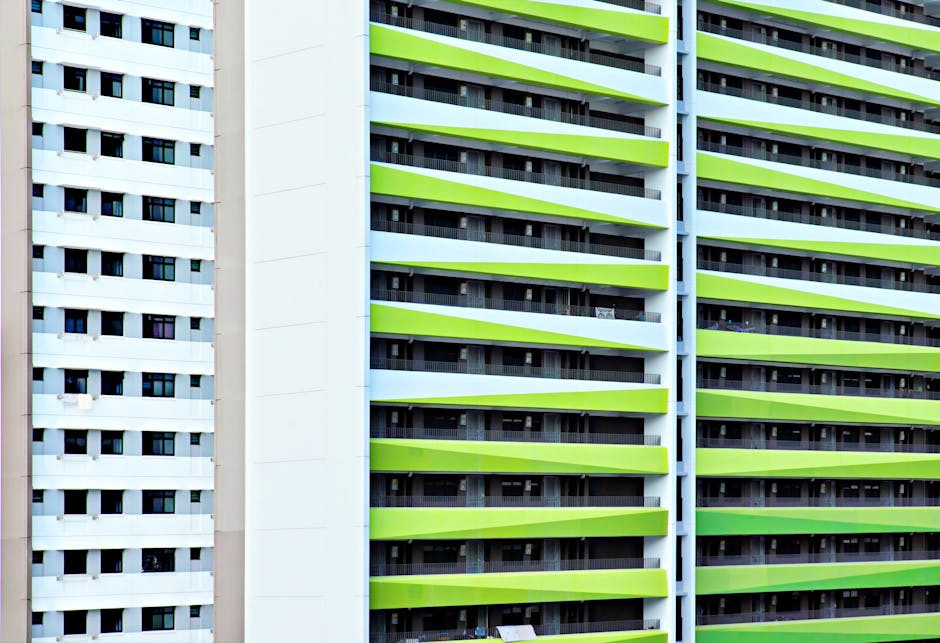
Singapore’s 2026 Housing Surge: What Smart Household Managers Need to Know
Singapore’s February 2026 public housing updates are set to reshape how households—from HDB flats to condominiums and landed homes—plan upgrades, negotiate rentals, and optimize domestic routines.
With the launch of ~4,600 new BTO flats (including sought-after Shorter Waiting Time units) and ~3,000 Sale of Balance Flats in key mature estates, alongside 13,840 MOP-eligible resale units, supply is primed to stabilize prices and rental dynamics for both public and private sectors.
For GoodHelp readers—adult Singaporeans who juggle both household management (including how to find maid in Singapore) and financial planning—this update brings timely opportunities to act with confidence and strategy.
Key Trends and Strategies for 2026 Household Management
1. HDB Supply Surge: Affordability, Flexibility, and Faster Moves
The spotlight is on the anticipated 19,600 BTO flats slated for launch throughout 2026, with February’s batch offering both conventional and Shorter Waiting Time (SWT) options.
Public HDB households benefit from:
- More choices: 26,000–27,000 resale transactions forecast, including premium locations.
- Speed: SWT flats slash wait times under three years, letting families sell and upgrade swiftly.
- Price stability: Added supply caps the “million-dollar” flat premiums, moderating expected growth (0-2%) in mature estates.
- Budgeting tools: CPF Housing Grant calculators help instantly check affordability, align expectations, and plot upgrade timelines.
2. Private Sector Ripple: Rental Negotiation and Mortgage Efficiency
Condominium and landed property owners face new opportunities as the supply boost in HDB indirectly impacts the private market:
- Rental stabilization: More HDB resale options divert demand, putting landlords and tenants in non-prime districts in a stronger position to negotiate deals (+2-3% rise forecast).
- Mortgage rates: With SORA rates remaining below 2%, locking in sub-2% loans now can reduce burdens for new buyers or refinancers.
- Upgrade timing: Fewer unsold private units (8,000–9,000 launching) mean sellers can exit HDB with solid profits and enter condos, improving household routines and access to premium domestic help.
3. Efficiency in Routine Management: Timing Moves, Insurance, and Domestic Help
The overlap of housing launches and calmer market FOMO is the perfect moment for household managers to reassess logistical and insurance needs.
- Home insurance: Upgrades, renovations, or new purchases should be paired with policy reviews to ensure optimal coverage for both property and domestic helpers.
- Hire help thoughtfully: Use the supply window to find maid in Singapore—securing reliable options for moves, renovations, or expanded routines when demand is lower.
- Routine improvement: Hiring extra help or using trial contracts can ease transitions, especially as families prepare for bigger homes or multi-generational arrangements.
State and Recommendations for Innovative Household Firms
- Monitor BTO timing: Integrate BTO launch calendars into annual planning for domestic service offerings, financial products, or upgrade packages.
- Expand rental negotiation tools: Build digital platforms for landlords/tenants to benchmark and negotiate rents in real time, capitalizing on stabilized market data.
- Offer bundled relocation and helper services: Use calmer markets to bundle insurance, moving, and “find maid in Singapore” solutions for clients shifting homes.
- Optimize CPF grant calculators: Integrate instant affordability checks to encourage confident upgrades among households.
- Push financial literacy: Educate clients on mortgage lock-in strategies while SORA rates remain low, especially for those upgrading from HDB to private units.
To further empower clients, consider partnering with leaders like PropNex Realty for upgrade assessments and early-booking incentives.
Live-in vs Part-time, Helper Comparison Table
| Criteria | Live-in Helper | Part-time Helper | First-time | Experienced | Cultural Fit | Skill Depth | Attitude | Premium Service | Standard Service | Agency Hire | Direct Hire | Long Contract | Trial Mindset |
|---|---|---|---|---|---|---|---|---|---|---|---|---|---|
| Housing Type: Condominiums | Ideal for space/access; full routine coverage | Suited to flexible routines, smaller homes | Needs strong onboarding | Faster adaptation, less supervision | High priority for family safety/privacy | May need specialized skills for amenities | Positive, mature approach critical | Premium, multi-tasking, trained helpers | Basic cleaning, laundry, childcare | Higher cost, reliability assurance | Lower fee, more screening burden | Best for family stability | Useful for first-timers or uncertain fits |
| Housing Type: Private/Landed | Live-in essential for large property | Part-time for garden, pool, maintenance | May struggle with bigger duties | Handles outdoor/complex jobs easily | Culture fit essential for privacy/security | Yard, pet, pool skills valued | Initiative, trust, reliability | Bespoke services, driving, elderly care | Core duties, hourly jobs | Full contracts, insurance safeguard | Freelance, shorter terms | Minimum 2-year preferred | Seasonal/temporary needs |
| Housing Type: Public HDB | Live-in for multi-gen/elderly families | Part-time for young couples/working adults | May suit families starting out | Experienced for special needs | Language, food, religion practices | General chores, child/elder care | Friendly, adaptable attitude | Mature, skilled in local routines | Cost-effective, reliable | Agency helps with compliance | DIY for cost savings | Long contract for elderly care | Trial for routine adjustment |
Challenges and Opportunities by Segment
Condominiums & Private Homes
- Challenges: Higher cost of living, pressure to maximize space and domestic routines, need for helpers skilled in diverse areas (pet care, gardening, security).
- Opportunities: Stable rents (2-3% growth), ability to lock in low mortgage rates, flexible hiring (live-in, part-time) and easier negotiation of service contracts.
Public HDB Housing
- Challenges: Budget constraints, balancing multi-generational needs, rising demand for affordable helpers and flexible contracts.
- Opportunities: Access to new BTO and resale choices, faster upgrades, capped premiums, and government CPF grants to aid affordability (CPF Housing Grant).
Comparison: Navigating Domestic Help and Housing Upgrades
While condominiums/private homes invite flexible, premium domestic service options with room for negotiation, public HDB housing offers rapid upgrade paths and access to affordable helper contracts. Regardless of segment, integrating supply timing, budgeting tools, and routine management is key to household efficiency and cost control.
“The alignment of new housing supply with routine management opportunities marks a game-changing moment—savvy household managers can secure affordable upgrades, confident help contracts, and optimal insurance before market activity returns.”
Conclusion: Strategic Action for 2026 and Beyond
Singapore’s February 2026 housing supply surge signals a fresh chapter for financially conscious household managers. By leveraging expanded flat choices, stabilized prices and rents, and timely helper hiring (especially when using curated tools to find maid in Singapore), families and savvy individuals can optimize both living arrangements and domestic routines.
The next wave will likely see tech-driven tools for helper matching, real-time rental negotiation, and bundled insurance-finance packages—driving higher efficiency and cost savings.
For GoodHelp readers, the lesson is clear: Take advantage of low-stress market timing to budget, upgrade, and empower your household with the right support. The window is open—plan ahead, act with confidence, and unlock smarter living for years to come.