
Singapore Foreign Domestic Worker Levy 2026–2027: Key Rates, Changes, And Cost Insights For Business Decision Makers
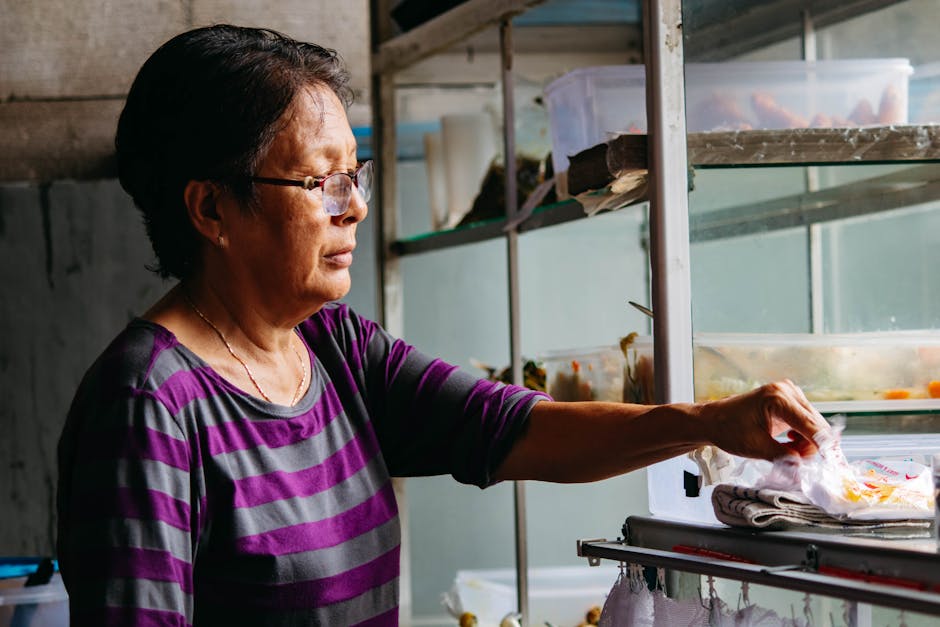
Singapore's Foreign Domestic Worker Levy: Navigating Cost, Caregiving, and Changing Policy in 2026 and Beyond
Singapore’s foreign domestic worker (FDW) levy has long shaped the fabric of family life, eldercare, and business operations in the city-state. From bustling SMEs to private households, the monthly cost of hiring a helper is a pivotal element in the nation’s labor calculus—yet behind the numbers, there are stories of adaptation, policy reform, and emerging social priorities.
In 2026, amid rising caregiving demands and shifting demographic realities, National Day Rally announcements signaled not a universal change in FDW costs, but a selective, strategic adjustment for eligible caregiving households. This exposé explores the levy’s real-world impact, the rationale behind targeted relief, and how Singapore’s approach reflects broader innovation in social support and labor economics.
Understanding the FDW Levy: A Legacy of Pragmatism and Policy Evolution
Historical Context: Since its introduction, the FDW levy has served as both a regulatory instrument and an economic filter, intended to balance foreign labor inflow with local employment needs. For years, Singaporean employers have paid a monthly fee—S$300 for the first helper, S$450 for each subsequent helper, and a concessionary S$60 rate for eligible households—amounting to annual costs of S$3,600 at the standard rate and S$720 for concessionary cases. Cost calculators and guides abound, emphasizing the levy’s centrality in household budgeting and SME payroll planning.
Policy Rationales: The levy’s enduring framework reflects Singapore’s commitment to sustainable labor management. By making foreign domestic support a considered investment, the government seeks to avoid runaway demand and ensure helpers are employed where truly needed.
Stakeholder Implications: For families juggling childcare or eldercare, and for businesses in service sectors, this levy is not just a tax—it's a gatekeeper to essential labor, fundamentally shaping hiring decisions and quality-of-life outcomes.
2026 National Day Rally: No Broad Levy Change, But Targeted Caregiving Relief Ahead
No General Hike or Cut: The 2026 National Day Rally clarified that FDW levy rates remain unchanged. Employers continue to pay S$300/S$450/S$60 per month, with no increase or reduction across the board.
Focus on Caregiving: The rally’s spotlight turned to more nuanced reforms. From 2027, households caring for persons with intellectual disabilities or autism will qualify for a lower migrant domestic worker levy of S$60—a move designed to ease financial pressure on families facing exceptional caregiving challenges (The Straits Times). This concessionary approach is tightly capped: one helper per eligible person, and two per household, keeping benefits focused and preventing systemwide cost shifts.
Statistical Impact: The difference between the standard and concessionary rates is stark—S$2,880 per helper annually—which is substantial for both private and business employers. For SMEs or eldercare service providers, this relief translates directly into higher margins or more accessible care.
Cost Calculations: Why the Levy Matters for Real-World Budgeting
Annual Outlay at Standard Rates: With the S$300 monthly levy still prevailing in 2026, a typical employer without qualifying dependants faces S$3,600 per year for each helper. For subsequent helpers, the levy jumps to S$450, or S$5,400 annually (budgeting guides).
Concessionary Rate Advantage: Eligible households pay just S$720 per year, making labor support feasible for families stretched by intensive caregiving. For two helpers—the maximum per household—the savings are even more pronounced.
Material Difference for Service Providers: In sectors like eldercare or home-based support, this cost gap can be the difference between expanding services or constraining operations. As one industry guide points out, the FDW levy is a line item with strategic consequences, affecting pricing, staff allocation, and even business viability.
Comparing Perspectives: Households vs. Service Sector; General Employers vs. Caregiving-Focused
Private Households: For the average family, the unchanged 2026 levy means stability. There’s no immediate incentive to alter hiring plans—unless they qualify for future caregiving concessions.
Eldercare and Special Needs Households: From 2027, those with dependants requiring intensive support will benefit from the targeted S$60 rate. This enables higher levels of care without unsustainable cost burdens, reflecting a shift toward more inclusive, needs-based relief.
SMEs and Business Employers: Most commercial employers, unless directly supporting caregiving scenarios, remain bound to the prevailing S$300/S$450 regime. Their budgeting and competitive positioning thus remain constant through 2026.
New Viewers vs. Experienced Stakeholders: To new observers, Singapore’s system may appear rigid—with fixed rates and limited concessions. Yet for those familiar with the intricacies, the capped, targeted relief is a strategic tool: it sustains workforce supply while supporting those most in need, without distorting the broader labor market.
Emerging Patterns and Tactical Shifts: Preparing for 2027 and Beyond
Demographic Trends: Singapore’s ageing population and rising rates of intellectual disabilities and autism demand adaptive responses. The 2027 concessionary shift recognizes that old models—one-size-fits-all levies—no longer suffice.
Innovation in Social Support: By selectively lowering levies for caregiving households, Singapore pioneers a model where subsidies are tied to genuine need, not merely headcount. This approach maximizes impact and minimizes waste, setting a precedent for nimble, targeted social policy.
Employer Strategies: Smart employers are already recalibrating their 2027 hiring projections, factoring in eligibility requirements and preparing documentation to secure the lower rate where possible. Others are exploring collaborative caregiving models, where multiple families share helpers under concessionary terms.
Policy Evolution: The cap of one helper per eligible person, and two per household, ensures relief is impactful but contained. This prevents system overload—a lesson learned from previous open-ended subsidies in other jurisdictions.
Realities, Risks, and the Crossroads of Policy
Cost Stability vs. Social Change: The 2026 rally’s “no change” message on broad levy rates is reassuring for those who value predictability. Yet underneath, the targeted caregiving support of 2027 will reshape the landscape for thousands.
Risk of Inadvertent Exclusion: With eligibility tightly defined, some households may fall through the cracks—those with care needs not formally recognized may miss out on relief. Stakeholders argue for ongoing reviews and adaptive criteria.
Compliance and Red Tape: The concessionary levy is only available to those who successfully document their dependants’ qualifying status. This has spawned a cottage industry of consultants and guides, as employers navigate the bureaucracy to unlock savings (knowledge bases).
Caregiving support is evolving from broad-based subsidies to precision-targeted relief—Singapore’s model is not about lowering costs for everyone, but about helping where it matters most. The next decade will hinge on our ability to continually refine criteria and delivery, ensuring that support unlocks dignity and opportunity for those at the heart of caregiving.
Forward-Thinking Insights: What Should Decision Makers Do?
Keep Cost Assumptions Current: For 2026, use S$300/S$450/S$60 in all projections—don’t budget for a lower rate unless eligibility for caregiving concessions is clear and confirmed.
Anticipate 2027 Relief Proactively: If your household or service business may qualify, begin gathering supporting documents and familiarizing yourself with application processes. The levy relief is significant, but only for those who meet the criteria.
Leverage Knowledge Platforms: Use digital calculators (smartcalculator.sg), government guides (MOM), and industry blogs to stay on top of deadlines, documentation, and compliance.
Advocate for Adaptive Policy: As caregiving needs expand and diversify, join stakeholder dialogues to press for broader, more flexible concession criteria. Only through collective engagement will policy keep pace with evolving realities.
Conclusion: Singapore’s FDW Levy—Balancing Tradition, Innovation, and Strategic Social Investment
The foreign domestic worker levy is not merely a cost—it’s a barometer of Singaporean priorities, a mechanism for discipline in labor supply, and now, a lever for targeted caregiving support. The 2026 “no change” announcement reflects confidence in existing structures, but the 2027 advent of concessionary rates for caregivers marks a new direction: precision, impact, and social responsibility.
As Singapore moves forward, the FDW levy will remain pivotal—shaping family choices, business models, and the contours of care. The key for decision makers is vigilance: track eligibility, harness savings where possible, and stay nimble as policy evolves. The future trajectory is clear—towards a system that prizes both efficiency and empathy, ensuring that support flows not indiscriminately, but where it transforms lives.
Ultimately, this issue is strategic: investing in care, while maintaining sustainable labor costs, is foundational to Singapore’s continued social and economic resilience. In a world facing demographic shifts and new caregiving challenges, Singapore’s path offers lessons in balancing tradition with innovation—and in making every dollar of support count.