
Singapore Household Helper & Caregiver Guide 2026: Grants, Levy Savings, Rental Trends, And Compliance Essentials
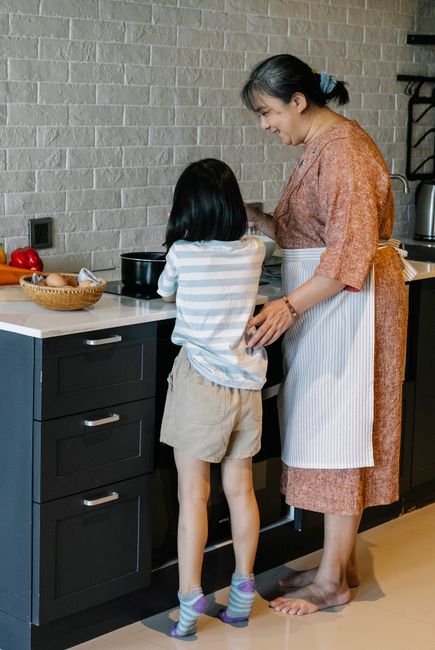
Optimising Household Support and Helper Management in Singapore: 2026 Strategies for Smarter Domestic Decisions
As Singapore’s households navigate a dynamic landscape of caregiving needs, rising costs, and shifting regulations, 2026 presents fresh opportunities—and new complexities—for adults managing everything from find maid in Singapore strategies to leveraging grants, insurance, and rental trends. Whether you reside in a compact HDB flat, a private apartment, or a sprawling condominium, the evolving ecosystem of helper in Singapore hiring and support means you can optimise your domestic arrangements like never before. This guide cuts through the complexity, providing GoodHelp readers with a forward-looking playbook for maximising savings, ensuring compliance, and tailoring household solutions for a superior quality of life.
Key Trends and Strategies for Singapore Households in 2026
1. Enhanced Financial Support for Caregiving Households
The most significant 2026 update is the boost in direct financial support for families hiring a MDW Singapore as a caregiver. From April 2026, the Home Caregiving Grant (HCG) has increased to up to $600 per month (previously $400), making it more accessible to middle-income families across HDB, private, and condo sectors.
Eligibility now extends to households with per capita incomes up to $4,800. This subsidy can offset costs related to hiring domestic helpers or purchasing care services, freeing up cash for other necessities such as insurance or mortgage payments.
[Read more on increased HCG eligibility and payouts]
2. Substantial Savings via MDW Levy Concession
Families employing an MDW Singapore for elder care or supporting a household member with disabilities enjoy a concessionary levy of $60/month (vs. $300 usual rate) for up to two helpers. When combined with the enhanced HCG, these changes create monthly relief of several hundred dollars—particularly advantageous for larger, multi-generation condos and landed homes, as well as cost-conscious HDB families.
[Details on MDW levy concessions]
3. Tightened Helper Deployment and Compliance Risks
The Ministry of Manpower now explicitly enforces rules: helpers can only work at the employer’s official residential address and only for the declared family. “Sharing” a helper across multiple homes, or unexpected overnight caregiving at a relative’s residence, now attracts severe penalties—fines up to $10,000 and possible bans.
[Clarified MOM deployment rules]
4. Growing Mix of Full-Time and Part-Time Domestic Help
While live-in helpers remain vital for sustained care, the Household Services Scheme (HSS) has expanded the array of part-time, licensed help for tasks like cleaning and errands, minus basic child-minding (which will no longer be covered from March 2026). This trend empowers households—especially those in smaller condos or HDB flats—to blend solutions for cost and space optimisation.
[How HSS complements full-time helpers]
5. Rental Market Stabilisation—A Double-Edged Sword
After years of steep increases, HDB and condo rents are easing but remain historically high. This affects how you budget for a helper’s room—whether allocating space in your home or considering renting out a spare room in a slightly cooler but still expensive market. Strategic negotiation and use of market data can now help reduce total household outflow.
[Rental updates for 2026]
6. Updated Employer Obligations and Helper Management
Employers must remain vigilant on requirements: minimum age and education for helpers, rest day entitlements, prompt salary payments, and suitable living conditions. Adhering to official MOM guidance is crucial for compliance and for maintaining positive, productive relationships with your helper in Singapore.
7. Insurance Promotions—Seizing Direct Cost Savings
With ongoing helper insurance promotions (e.g., 30% off premiums until July 2026), families—especially those feeling the squeeze of high rents or living costs—are encouraged to bundle grants, concessions, and insurance deals for maximum protection at minimal expense.
[Best helper insurance deals in 2026]
State and Recommendations: Action Points for Singapore Firms & Households
- Audit eligibility for HCG and MDW levy concessions: Even middle-income families in condos or landed homes may now qualify for meaningful support.
- Structure helper roles for compliance: Ensure your helper’s tasks and work locations align with MOM rules to avoid penalties or bans.
- Blend full-time and part-time help: Use licensed HSS part-timers for task-based needs; reserve live-in MDWs for specialist caregiving.
- Regularly benchmark rental rates: Leverage softening rents to renegotiate leases or rebalance your helper accommodation budget.
- Maximise insurance promotions: Stack helper insurance savings with government grants for total cost efficiency—and consider add-ons for your household’s main breadwinner.
- Invest in helper upskilling: Use the Caregiver Training Grant for continuous improvement, boosting care quality and helper retention.
- Segment your helper strategy by home type: Customise your approach for condominiums, private apartments, or HDBs based on available space, regulations, and typical costs.
Summary Comparison Table: Key Helper Management Choices in 2026
| Dimension | Live-in Helper | Part-time (HSS) Help |
|---|---|---|
| Setup | Full-time, residential; higher initial commitment; ideal for elder/child care | Flexible tasks, non-residential; pay-as-you-use; good for cleaning/errands |
| First-Time Helper | May require more training; Settling-in Programme mandatory | Generally managed by company; minimal onboarding for you |
| Experienced Helper | Greater autonomy, potential for higher skill application | Experienced service teams; can request specific standards |
| Cultural Fit | Key to long-term harmony; requires careful selection and support | Less critical due to shorter interactions |
| Skill Depth vs. Attitude | Deeper, tailored skills; attitude crucial for caregiving dynamics | Standardised service; attitude controlled by provider oversight |
| Premium Services vs. Standard | Can upskill with grants and training; customisable schedules | Premium cleaning or errands packages available, but less personalisation |
| Agency vs. Direct Hire | Agency offers vetting/support; direct hire needs more due diligence | Always via licensed agency/provider |
| Contract Duration vs. Trial Mindset | 2-year standard contracts; high switching cost | Trial/short-term; easy to swap or scale up/down |
Segmentation: Opportunities and Challenges by Home Type
Condominiums
Condo dwellers often face the highest accommodation costs—including for a helper in Singapore—yet benefit most from enhanced grants and levy concessions. The prevalence of multi-generation setups and available space allows for both live-in helper arrangements (with private rooms) and flexible use of HSS part-timers.
Challenges: High rental, need for legal compliance in helper deployment, and intense competition for quality helpers.
Opportunities: Maximise grants, shift to hybrid help models, negotiate service packages, and enjoy bundled insurance offers.
Private Apartments
Private apartment owners balance between condo and HDB realities—moderate space, still high but more variable rents, and increasing demand for custom solutions. These households may benefit from leveraging agency networks for finding the right MDW Singapore and using part-time services to fill coverage gaps.
Challenges: Space limitations may complicate live-in arrangements; budget balancing required for optimal setup.
Opportunities: Co-fund helper salaries with HCG, combine agency and direct hire approaches, and use transient HSS services during helper transitions.
Public Housing (HDB)
HDB households are the most sensitive to rental and cost pressures—and the prime beneficiaries of enhanced government grants. Space constraints make it essential to plan helper accommodation and rest arrangements thoughtfully.
Challenges: Budgeting for all-in costs, meeting rest-day and accommodation standards, and staying within updated compliance.
Opportunities: Use part-time HSS for ad-hoc needs, target grants and levy concessions, and negotiate helper insurance for further savings.
[More on HDB rental and occupancy rules]
Cross-Segment Comparison
- Cost Optimization: All home types benefit from new grants and insurance deals; condos/private face higher absolute costs.
- Flexibility: Part-time help scales easily in smaller HDBs/apartments; live-in is standard for larger homes.
- Compliance Pressure: Condo/private households should be especially careful against illegal “sharing” of helpers.
“2026 marks a turning point for Singapore’s household managers: by merging new government support, stricter compliance, and a flexible blend of live-in and part-time help, even small families can build cost-efficient and high-quality domestic ecosystems.”
Conclusion: A Blueprint for the Future of Domestic Support in Singapore
As the balance of grants, compliance, and rental affordability shifts in 2026, savvy Singapore households will find that thoughtful planning around find maid in Singapore and related support can unlock significant savings and peace of mind. The rise of blended help models, coupled with enhanced insurance and smarter rental strategies, creates the conditions for both greater comfort and risk management.
Looking forward, we anticipate even tighter enforcement of helper deployment rules and a greater emphasis on upskilling, digital management tools, and holistic household optimisation. Those who proactively adapt—leveraging every support, offer, and regulatory update—will set the standard for effective, resilient household management in the years to come.