
Singapore Household Survival Guide 2026: Navigating HDB Resale Price Drops, Rising Living Costs, And Helper Levy Changes
Singapore Household Strategies 2026: Navigating HDB Resale Cooling, Persistent Costs, and the New Helper Equation
For the modern Singapore-based household manager, 2026 is shaping up to be a defining year. With HDB resale prices cooling at last, yet cost of living on a relentless upward trek and the helper tax relief removed, every domestic decision—from hiring a helper in Singapore to moving estates—demands sharper maths and smarter strategy. Whether your priority is to find maid in Singapore, manage tight budgets, or re-think property choices, this update decodes the opportunities and pitfalls for households living in condominiums, private landed homes, and public HDB flats.
Key Trends and Strategies for Singapore Household Managers
HDB Resale Prices: A Welcome Cooldown for 2026
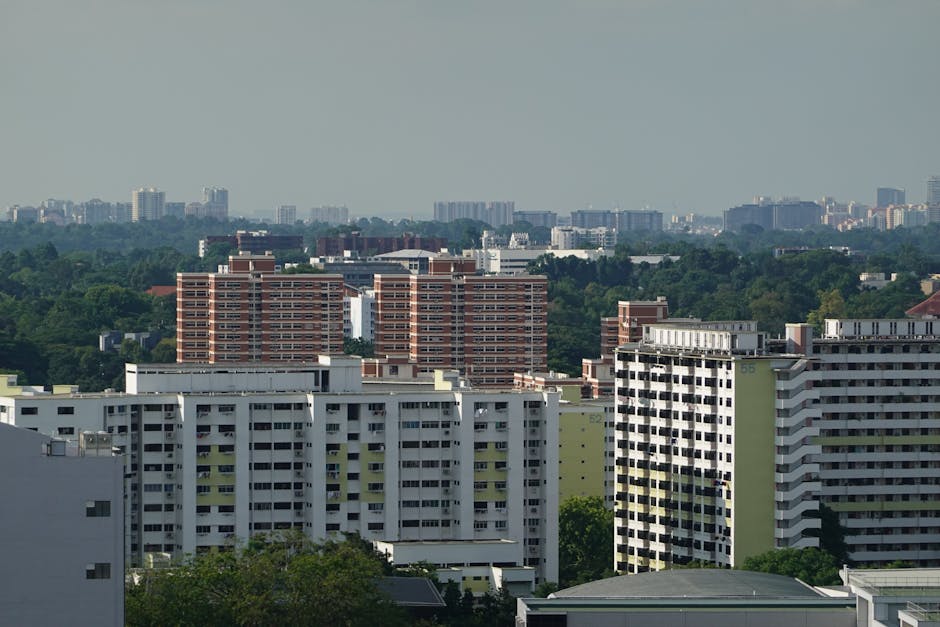
After years of climbing property prices, Singapore’s HDB Resale Price Index saw its first quarterly decline since 2019, slipping by 0.1% in Q1 2026, followed by a further 0.3% drop in Q2. Annual gains cratered—from 10.4% in 2022 to just 2.9% in 2025—ushering in a more balanced market as government cooling and fresh BTO supply take effect. Those seeking to find maid in Singapore and needing better layouts for live-in help have more negotiating room and less risk of overpaying for space.
For private/condo upgraders, the removal of the 15‑month wait for HDB resale purchases improves flexibility and makes a “return to HDB” strategy more attractive for cost-conscious families (see source).
Helpers in Singapore: Higher Net Cost, Sharper Choices
While the FDW monthly levy remains at S$300 for the first helper (S$60 concession), the tax relief for the Foreign Domestic Worker Levy (FDWL) ended from YA 2025. This means all families face a higher out-of-pocket expense—no more tax rebate to soften the blow, making every dollar count for the typical MWD Singapore (Maid, Worker, Domestic) employer. Now, budgeting must include full helper cost (levy, salary, insurance, living expenses) with no expectation of a tax offset.
Concessionary rates (S$60/month) remain for households with children under 16, seniors above 67, or persons with disabilities, but are capped at two helpers per household and only one concession per eligible person. Second helpers are a luxury requiring stricter financial scrutiny.
Cost of Living: Everyday Pressures Persist
Even as home prices stabilise, utilities, food, and education costs are rising 4–6% annually. An 85 m² flat or mid-sized condo now averages over S$200/month in basic utilities alone. Household managers must balance these increases with the rising cost of hiring a helper in Singapore—especially critical for dual-income and sandwich-generation families with multiple dependents or ageing relatives.
House-Type Strategies: Tailoring Approaches for Different Households
- Public Housing (HDB): Take advantage of the price dip to right-size or upgrade for layout—think about helper rooms or elder-care setups. Consider whether a helper is essential, and use the concessionary levy where eligible. Stick to a fixed monthly spend cap (e.g., S$4,000 excluding mortgage) to maintain buffer for rising utilities and food (details).
- Condominiums: Leverage estate facilities to ease helper workload (cleaning, childcare, laundry), possibly reducing the need for two full-time helpers. Budget for higher MCST fees and utilities, and review if a live-in helper or part-time services make more sense given new cost structures.
- Private Landed Homes: Higher space brings high running costs. For families considering two helpers, weigh levy concession caps and consider outsourcing heavy-duty tasks. Insurance and proper employment contracts reduce risk and cost spikes. Explore premium maid agencies for skilled, experienced hires (read more).
State and Recommendations: Actionable Guidance for Firms
- Promote Smart Cost Calculators: Develop user-friendly online tools that show the real monthly and annual costs of hiring a helper, factoring in levy, salary, food, rest days, and insurance. Segment by flat type and eligibility for concessionary rates.
- Bundle Services for Helper Employers: Partner with insurance firms for domestic helper medical and personal accident plans. Offer add-ons like part-time cleaning, on-demand elder/babysitting, and laundry services for those considering switching from a second live-in helper.
- Offer Financial Planning Workshops: Target sandwich-generation families and middle-income groups with workshops or digital guides on holistic budgeting—integrating mortgage, helper, insurance, and utilities.
- Highlight Concessionary Levy Opportunities: Publish clear, practical guides explaining how to qualify for the S$60 monthly rate, and the scenarios where households can benefit (e.g., caring for seniors or young children, or persons with disabilities).
- Promote Energy-Saving Solutions: Utilities are rising fastest. Collaborate with providers of smart thermostats, efficient lighting, and water-saving fixtures, specifically targeting households with live-in helpers.
- Content Marketing with Real-Life Scenarios: Case studies contrasting HDB, condo, and landed home families juggling helpers, mortgage, and cost-of-living—build authority and trust.
Summary Comparison Table: Helper Hiring and Management Options
| Factor | Live-in Helper | Part-time Service |
|---|---|---|
| First-time Helper | Lower salary, may need more training Best for simpler needs or budget limits | More flexible, but continuity may suffer Costs add up per session |
| Experienced Helper | Higher salary, robust skills Good for families with elder-care/children | Rare (most part-timers are new) Suited for less specialised tasks |
| Cultural Fit | Critical—misfit can lead to friction, turnover Agencies or trial periods can help assess this | Less critical—shorter interactions, but still important for regulars |
| Skill Depth vs. Attitude | Skill can be developed over time; attitude is crucial for harmony | Skills matter most; attitude less important for ad-hoc jobs |
| Premium vs. Standard Service | Premium agencies provide medical, eldercare certified helpers at higher rates | Premium on-demand services offer background-checked workers |
| Agency vs. Direct Hire | Agency provides support, warranty, and dispute resolution Direct hire is cheaper but riskier | Mainly via agencies or platforms Direct arrangement possible but compliance needed |
| Contract Duration vs. Trial Mindset | Usually 2-year contract, but try-out periods possible via some agencies | No contract, pay-as-you-use; trialing new services is easy |
Segmented Opportunities and Challenges by House Type
Public Housing (HDB)
- Opportunities: Price moderation means upgraders can afford more space for helpers. Helper rooms and elder-care layouts are more accessible. Families with children or seniors should fully leverage the concessionary levy.
- Challenges: Budget constraints are tight; rising daily expenses (food, utilities) erode savings. Calculating the real all-in cost of a helper in Singapore is more crucial than ever.
Condominiums
- Opportunities: Estate facilities (playgrounds, pools, security) can offset the need for a second helper or external services. Smart management of MCST fees and leveraging group discounts for household services are recommended.
- Challenges: Utilities and maintenance fees are proportionally higher; temptation to overspend on premium helper agencies or lifestyle add-ons can strain budgets. Compare live-in helpers vs. MWD Singapore part-time alternatives for value.
Private Landed Homes
- Opportunities: Able to accommodate multiple helpers; best for complex care (elderlies, young children). Outsource specialised tasks (gardening, pool) instead of extra helpers. Premium, highly skilled helpers accessed via reputable agencies pay off in the long run.
- Challenges: High overheads, strict caps on concessionary levy, and increased exposure to employment disputes or helper churn. Insurance and robust employment practices are essential safeguards.
Comparison Segment: Public vs Condo vs Landed
- Public Housing: Focus on essential, cost-effective help. Plan helper roles tightly, and make full use of grant/concession schemes.
- Condominium: Blend live-in and part-time solutions. Leverage amenities and spread costs across services.
- Private Landed: Optimise for complex needs (multiple dependents), but proactively manage higher risks and costs through premium hires and insurance.
“Singapore’s domestic helper and housing calculus in 2026 demands sharper budgeting, smarter services, and a relentless focus on value—for every square foot and every helping hand in the household.”
Conclusion: Acting on the 2026 Ecosystem Shift
In summary, HDB resale price cooling is a vital window for budget-savvy households to upgrade or right-size, but without relief on the cost of living front, there’s no room for complacency. As the net cost of a helper in Singapore climbs, every household—whether in HDB, condo, or landed property—must rebalance their strategies around helper hiring, financial planning, and daily spend.
The removal of tax relief on the helper levy is here to stay. Expect a continued rebalancing toward smarter use of space, sharper budgeting, and greater adoption of hybrid domestic solutions (mix of live-in, part-time, and on-demand services).
For those seeking to find maid in Singapore or optimise their helper experience, the coming year is about agility: negotiating for space, tailoring helper roles, leveraging insurance, and using digital tools for cost management. Those who evolve fastest—adapting not just to price trends, but to rising expectations of flexibility and value—will set the benchmark for resilient, thriving Singaporean households.