
Singapore Property Market 2026: Smart Household Upgrading, HDB Trends & Financial Planning Tips
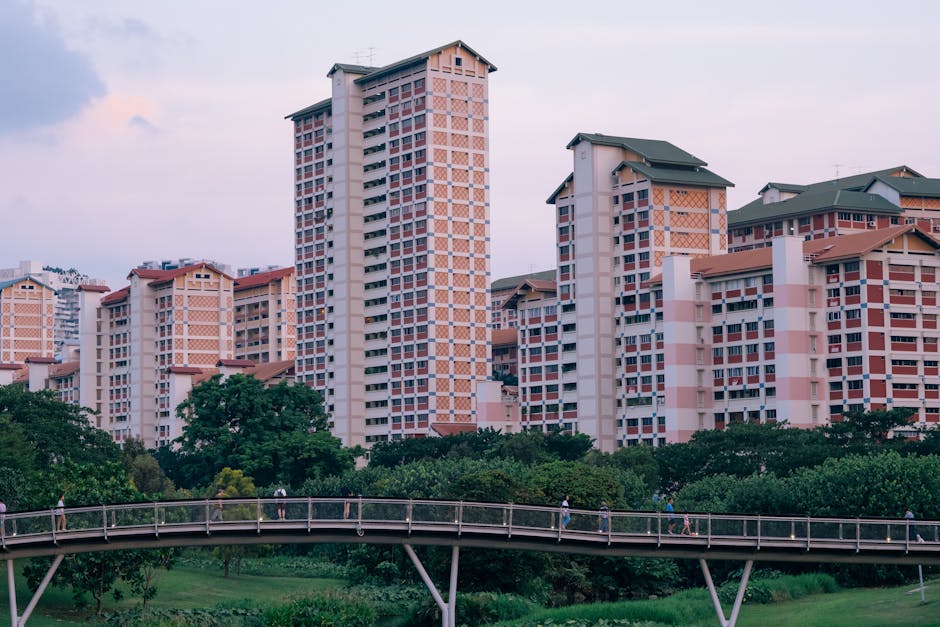
Singapore’s 2026 Property Market: Practical Insights for Savvy Household Managers
Singapore’s residential property market has always served as a barometer for both economic mood and household opportunity. As 2026 approaches, the property landscape stands at a crossroads—poised for a cycle of moderate price growth, shifting demand, and evolving supply dynamics. For GoodHelp readers—forward-thinking adults overseeing everything from household routines to major investment and hiring decisions—understanding this market is crucial. Whether you’re evaluating when to upgrade your home, planning to find maid in Singapore to optimize your household, or recalibrating your family’s financial path, the upcoming year offers balanced, actionable opportunities without the urgency or risk of overheated speculation.
Key Trends and Strategies for 2026
Measured Momentum: Expect Moderate Price Appreciation
Unlike previous surges, private home prices are projected to rise by about 3% in 2026. This signals measured growth rather than a boom, providing a relatively stable environment for household managers considering upgrades or refinancing housing loans. Now is a strategic moment to plan future moves or even to find maid in Singapore if you’re anticipating a home transition.
The New Launch Landscape: Less Overwhelm, Sharper Choices
With new private home launches falling sharply (from 26 projects in 2025 to just around 17 in 2026), the marketplace will be less crowded, allowing individual developments greater visibility and making choices easier for buyers. This benefits those considering a transition from HDB to private housing, reducing the noise and stress associated with too many options [2].
Resale Market: More Choices Without the Premium
Another compelling factor for 2026: more completed homes will be entering the resale market—up from 5,200 units in 2025 to approximately 7,000 in 2026. This gives buyers more inventory at current market rates, which often means better value compared to new launch premiums [2].
HDB Upgrader Demand: Stability and Predictability
The engine fueling private housing is the record demand from HDB upgraders. With an expected 18,000 BTO completions in 2025, many families will unlock new equity, creating a broad, predictable buyer pool rather than the volatility of speculative investors. This stability also supports healthy price trends and financial planning [2].
Affordability: Shifting Preferences to Smaller Units and Suburban Locations
While incomes have risen, they’ve lagged behind property price growth over the past several years. The upshot is that demand is shifting to more affordable segments—especially 1- and 2-bedroom units in the Rest of Central Region (RCR) and Outside Central Region (OCR). Younger families and singles, or those searching to find maid in Singapore while maintaining a prudent budget, are targeting these areas for greater value and cost efficiency [3].
Underlying Financial Health: Low Leverage, High Deposits
Supportive fundamentals continue to underpin the market. Singaporean household deposits remain elevated, and leverage levels are low—meaning no widespread financial stress or forced selling. This is a market where decisions can be made from a position of strength [2].
State and Recommendations
- Plan your upgrades early: The moderate (yet persistent) rise in land and construction costs means the best value remains in the first half of 2026, especially as city-fringe and prime areas may see steeper repricing later in the year.
- Tap into HDB equity smartly: If you’re in a public flat, leverage record upgrader demand and ensure you optimize your sale timing alongside major BTO completions to maximize returns.
- Consider alternative locations and unit sizes: With affordability tightening, focus your search on RCR and OCR locations, and evaluate smaller, more efficient homes that can better match budget and domestic needs.
- Review mortgage terms before repricing risk escalates: Lock in favorable financing now to guard against higher rates or property price jumps in late 2026.
- Optimize household staffing aligned with your property transition: When you find maid in Singapore, plan onboarding and role assignment based on new spatial layouts and anticipated routines post-move.
- Stay pragmatic, not speculative: This is a fundamentally sound market; base decisions on household needs, not FOMO.
Summary Comparison Table: Helper Hiring and Household Planning
| Aspect | Live-in | Part-time | First-time Helper | Experienced Helper | Cultural Fit | Skill Depth vs Attitude | Premium Services | Standard Services | Agency | Direct Hire | Contract Duration | Trial Mindset |
|---|---|---|---|---|---|---|---|---|---|---|---|---|
| Flexibility | High for daily routines | Good for targeted tasks | Learning curve | Faster adaptation | Crucial for harmony | Attitude for first-timers; skill for complex needs | Specialized, vetted | Affordable, basic | Support, compliance | Lower cost, more risk | Long-term continuity | Short-term fit assurance |
| Cost | Higher, with accommodation | Hourly/daily, budget-friendly | Lower salary | Higher salary | Improves stability | Balance as per needs | Premium pricing | Standard rates | Fees apply | Direct negotiation, no fees | 1-2 year contracts typical | On-demand, less commitment |
| Supervision/Integration | Close-knit, 24/7 | Independent, less oversight | Needs support, coaching | Low supervision | Critical for long-term | Flexible, depends on household | Expert management | DIY approach | Less hands-on required | Full owner’s responsibility | Predictable, but less flexible | Great for first-time employers |
Segmented Insights by House Type
Condominiums
Opportunities: The relatively moderate price increase and larger resale pool in 2026 improve entry points for condominium living—ideal for those seeking privacy and amenities. Challenges: Rising land and maintenance costs may tighten affordability, especially for larger units; plan helper accommodation and routines accordingly.
Private Landed Properties
Opportunities: More resilience to price fluctuations; prime for multi-generational or larger households with complex staffing needs. Challenges: Premium pricing and land cost escalation require longer-term commitment. Consider hiring experienced helpers familiar with luxury or multi-zone households, and always find maid in Singapore via reputable channels.
Public Housing (HDB)
Opportunities: Remains the backbone of household equity and affordability. Record upgrader demand supports robust value and paves the way for smoother transitions to private homes. Challenges: Size constraints may limit live-in helper options—prioritize cultural fit and attitude over skill depth, and consider part-time arrangements if space is limited.
Comparison Matrix
- Condominiums: Balanced between privacy, space, and amenities. Flexible for live-in or senior helpers, but requires budgeting for fees and higher maintenance.
- Private: Best for large families who can absorb higher costs and have complex needs. Consider trial hires before long-term contracts.
- HDB: Foundational for financial stability; flexibility required in space usage and helper integration. Optimal as launchpad for future upgrading.
“In 2026, the property market’s greatest gift is time—time for careful planning, for matching the right helper and home to your evolving needs, and for building sustainable household wealth instead of chasing speculative returns.”
Conclusion: Strategic Planning for a Confident 2026
Singapore’s property market in 2026 is neither heady nor hazardous; it is a landscape of measured progress, giving household managers the rare luxury of time. By leveraging current conditions—moderate price growth, diverse resale options, and strong underlying demand—you can find maid in Singapore, upgrade your home, and optimize your domestic finances with confidence.
Looking forward, as land costs continue to rise and HDB upgrader demand reshapes the market, expect tighter competition and possible price repricing in city-fringe and prime areas by the latter half of 2026. The key is to act with intent, securing your household’s stability before trends accelerate. For GoodHelp readers, the mission is clear: lead with strategy, not speed—and let 2026 be your year of informed, empowered household management.