
Singapores 2026 Innovation Boom: How New Startups Will Transform Household Management And Helper Services
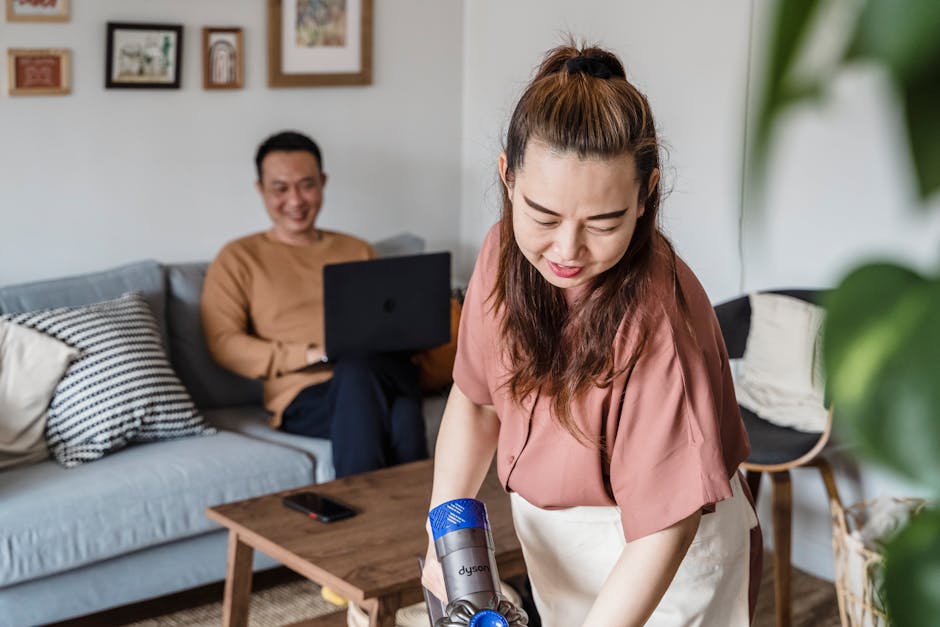
Singapore’s Deep-Tech Innovation Wave: What Every Household Manager Needs to Know
Singapore’s drive to become a global centre for deep-tech startups is rapidly reshaping the landscape of domestic management. Whether you manage a bustling family household in a condominium, oversee routines in a landed property, or coordinate chores in a public housing flat, the government’s big bets on technology and innovation have direct, practical consequences for you. Understanding how new platforms, smarter home solutions, and AI-powered services are coming to market is essential for any adult responsible for household efficiency—and for those trying to find maid in Singapore or to optimize their helper management.
Key Trends and Strategies in Singapore’s Domestic Innovation Ecosystem
1. Startups Transforming Home Management
Major initiatives like SLINGSHOT 2026 and SWITCH 2026 are at the heart of Singapore’s innovation ecosystem, focusing on high-impact startups in smart homes, digital economy, and health. The result? Over the next 6-12 months, expect an influx of digital platforms and tools designed to empower household managers. This includes everything from advanced scheduling apps and digital payment solutions to AI-driven helper matching—making it easier than ever to find maid in Singapore who fits your family’s unique needs.
2. RIE2030: Capital-Backed Household Innovation
The government’s S$37 billion commitment under the RIE2030 plan is not just about national headline growth—it’s putting real financial power behind the next generation of home automation, security, and management solutions. For households, this means emerging options for secure digital helper recruitment, automated payroll, and IoT-powered home monitoring, all benefiting from institutional vetting and robust funding.
3. Startup SG Equity: Service Providers Get a Boost
The expansion of the Startup SG Equity scheme by S$1 billion translates to more well-funded domestic service apps, from helper marketplaces to home management subscription services. These providers can now focus on features and reliability, often passing on cost savings and innovation to end users. For those looking to find maid in Singapore or streamline operations, it’s an exciting time.
4. AI Governance: Prioritizing Security and Trust
Singapore’s strong AI governance framework ensures new household tools and helper-matching platforms must adhere to data privacy and security best practices (see more). For household managers dealing with sensitive personal data—be it helper background checks or payroll information—this is vital peace of mind.
State and Recommendations for Household Management Firms
- Stay Updated: Monitor SWITCH 2026 and SLINGSHOT 2026 announcements for new smart-home and domestic service launches.
- Partner with Vetted Startups: Shortlist vendors who have passed Singapore’s institutional selection process or are funded under RIE2030 or Startup SG Equity for maximum reliability.
- Leverage Digital Platforms: Explore new apps for streamlined helper recruitment, scheduling, and performance tracking to save time and reduce stress, especially when seeking to find maid in Singapore.
- Prioritize Data Security: Utilize platforms compliant with Singapore’s AI and digital data regulations to protect household and helper information.
- Encourage Upskilling: Support helpers in training with digital tools—many new platforms offer online modules to enhance productivity and safety.
Summary Comparison: Helper Sourcing Options
| Factor | Live-in | Part-time | First-time Helper | Experienced Helper | Cultural Fit | Skill Depth vs Attitude | Premium Services | Standard | Agency | Direct Hire | Contract Duration | Trial Mindset |
|---|---|---|---|---|---|---|---|---|---|---|---|---|
| Condominiums | High demand for live-in due to security and family needs | Often restricted by MCST rules | May require extra onboarding | Preferred for quick adaptation | Emphasis on discretion and etiquette | Skill depth for tech-enabled homes | More prevalent, e.g., premium agencies | Common, but rising standards | MCST-approved agencies | Limited direct hire | Longer contract typical | Short trials less common |
| Private/Landed | Vital for estate/large homes | Flexible for outdoor tasks | On-site training easier | Experience with large households valued | Preference for language/food commonality | Tech skills for smart systems valuable | Luxury service demand | Standard for regular chores | Custom agency packages | Some do direct, often with networks | Flexible, but usually longer | Trial periods possible |
| Public Housing (HDB) | Space constraints may limit live-in | High uptake for part-time | Common to hire first-timers | Experience less frequent, but valued | Fit within family, culture crucial | Attitude can outweigh skill | Budget constraints limit premium | Standard options dominate | Affordable agencies preferred | Some try direct, word-of-mouth | Shorter, flexible contracts typical | Trial mindset increasingly common |
Challenges and Opportunities by House Type
Condominiums: Condo residents often encounter MCST regulations regarding helpers, but benefit most from premium, tech-enabled services—opportunities lie in new platforms that streamline find maid in Singapore processes.
Private/Landed: Flexibility in hiring and space for innovation (e.g., home automation, outdoor management tech) offer a strong advantage. Tech adoption and tailored service plans can deliver significant productivity gains.
Public Housing (HDB): Budget constraints and space limits shift demand toward part-time, flexible, and cost-effective solutions. Digital apps that enable scheduling, real-time communication, and security within a smaller living space are key opportunities.
Comparison Segment: Finding What Fits Best
Household managers should assess their environment and family routines. Condominium managers can often benefit from integrated, premium services and digital compliance, while those in private housing should focus on scalable, multi-service platforms that can handle larger properties. HDB managers, meanwhile, may prioritize flexibility and trial options, leveraging digital scheduling and affordable helper sourcing to address unique domestic needs.
“In the coming year, household managers who actively monitor and adopt the best-in-class domestic tech solutions—and those who leverage platforms emerging from Singapore’s startup pipeline—will set the benchmark for smarter, more secure, and efficient living at home.”
Conclusion: Seizing the Opportunity Ahead
Singapore’s innovation push in domestic management is more than a policy trend—it’s a practical catalyst for every adult tasked with running a household. From the SWITCH 2026 pipelines to direct investments under RIE2030 and Startup SG Equity, these changes will soon be visible in the form of better, safer, and more efficient tools for hiring, managing, and supporting domestic helpers.
As a household manager, staying informed and open to trialling new platforms will be your competitive advantage—whether you live in a condo, landed property, or HDB flat. This is a pivotal moment for the domestic services sector, and those who act early will reap the greatest operational, financial, and quality-of-life benefits.
Opinion: In the next 1-2 years, the line between traditional helper management and digital-first, tech-enhanced solutions will blur for households in Singapore. Expect a surge in smart platforms where you can find maid in Singapore with tailored skills, verified backgrounds, and ongoing support—all underpinned by robust regulatory standards and innovative financing. Proactive managers who embrace the ecosystem’s evolution will not only enjoy smoother household routines, but also set a new standard for domestic excellence.