
Starbucks 2025 Strategic Outlook: Navigating U.S. Sales Declines, China Growth, And Global Coffee Trends
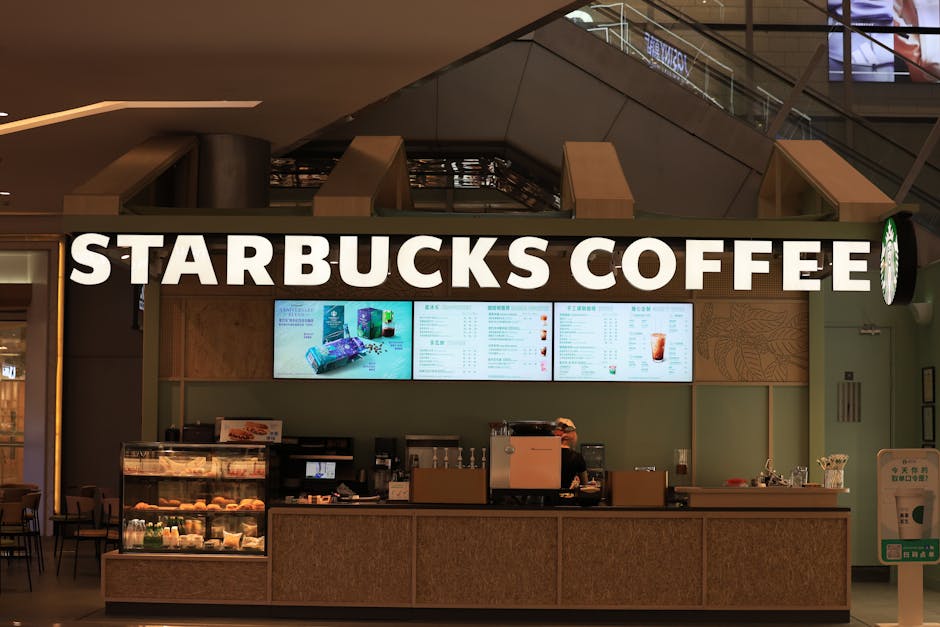
Starbucks at the Crossroads: Strategic Analysis and Global Implications for 2025
The Starbucks story is one of relentless reinvention and global resonance. In 2025, however, the coffee titan finds itself at a critical inflection point, facing sharp headwinds at home while drawing strength from its expanding international footprint and digital innovation. Despite a history punctuated by double-digit growth and iconic product launches, Starbucks now contends with a projected 3% decline in U.S. same-store sales in Q3 FY2025 and a year-to-date stock return of -5.55%. The six-month trend is even more sobering at -11.7%. These numbers, driven by intensifying competition, labor unrest, and seismic shifts in consumer behavior, pose existential questions for a brand synonymous with modern coffee culture. Yet beneath these challenges lie opportunities—China’s surging coffee market, automation breakthroughs, and the allure of ready-to-drink (RTD) innovation—that could rewire the company’s growth story for the next decade.
Rivals, Risks, and Market Recalibration: The Structural Terrain of 2025
Historical Context and Shifting Market Realities. Starbucks’ dominance was forged not merely through premium coffee but through a meticulously crafted experience—one that glued together social interaction, digital loyalty, and an aura of aspirational living. The explosion of cold beverages, viral menu hacks, and seasonal sensations like the Pumpkin Spice Latte cemented its pop culture status. However, 2025 exposes vulnerabilities: operational slowdowns due to labor tension, cost inflation eating into margins, and overreliance on a now-saturated and value-conscious U.S. market.
Statistical Evidence of Strain: The U.S., once the engine of growth, now struggles; competition from fast-expanding rivals such as Dunkin’, McDonald’s (CosMc’s), and China’s Luckin Coffee is eroding Starbucks’ historical lead. With 51% of stores directly managed, Starbucks can maintain quality control, but it also bears the brunt of wage pressures and unionization campaigns.
International Expansion as Counterbalance: The company’s fastest-growing market—China—now provides crucial diversification, with localized innovation (tea-coffee hybrids, Teavana) underpinning a 45.2% growth spurt in prior years. Emerging regions such as India and Southeast Asia, posting a 9% international store growth rate, represent the next frontier.
SWOT in Action: From Brand Power to Storm Clouds
Strengths in Scale and Brand Equity. The Starbucks brand is a global asset, built on decades of strategic marketing, menu innovation, and digital engagement. Its loyalty ecosystem—anchored by one of retail’s most robust Rewards programs—delivers industry-leading retention and customer lifetime value. Operating efficiency, with 22.8% growth in the prior year, demonstrates the company’s ability to translate scale into profitability.
Operational Weaknesses and Strategic Vulnerabilities. The same scale that gives Starbucks its heft has created systemic inefficiencies. Overdependence on U.S. revenue streams, sluggish European expansion, and premium pricing place the company in a precarious position. High menu prices, relative to Dunkin’ and McCafé, exacerbate price sensitivity, especially as consumer wallet share tilts toward essential spending in an inflationary environment.
Opportunities: RTD, Automation, and Geographic Diversification. The RTD market, fueled by a boom in at-home consumption and strategic acquisitions like Califia Farms, offers a lucrative adjacency. Investment in automation (Siren System), and a push into new Asian and African markets, is not just a hedge—it’s a necessity against stagnating Western revenues.
Threats on the Horizon. Commodity volatility (coffee bean crises triggered by climate change), rising labor costs, and health-driven demand shifts (e.g., GLP-1 drugs reducing sugary drink consumption) are converging macro-risks. Add to this fierce competition from boutique coffee shops and digital disruptors, and Starbucks’ moat is anything but unbreachable.
Marketing Mix: Navigating Premium, Digital, and Health Segmentation
Product Leadership Anchored by Innovation. Starbucks commands the premium space with a menu engineered for both mass appeal and millennial/Gen Z experimentation. The company’s adjacency into cold drinks—now accounting for 75% of U.S. sales—and viral creations like nitro cold brew and cold foam, illustrate a relentless drive toward trendsetting. Expansion into plant-based options and lunch menus reflects a tactical shift aimed at broadening daypart relevance.
Pricing Power Under Pressure. Historically, Starbucks has wielded premium pricing to drive margins and reinforce its aspirational brand. In 2025, however, the rise of value-centric rivals and inflationary shocks mean that pricing is now a double-edged sword. The company is often the “first luxury cut” when consumers tighten belts—threatening both volume and profit.
Omni-Channel Distribution with a China Tilt. Direct store ownership (51%) ensures brand consistency, while strategic bets on pickup-only stores and U.K. expansion via 23.5 Degrees acquisition demonstrate format innovation and risk diversification.
Promotion: Loyalty, Social Virality, and Employee Advocacy. Starbucks’ Rewards program remains industry-best, but the company is expanding its digital footprint via TikTok-inspired drinks and seamless app integration with e-payments and gifting. Amid labor tensions, generous employee benefits are deployed as both recruitment tool and reputational bulwark.
Porter’s Five Forces: Margin Pressures and Innovation Imperatives
High Rivalry and Buyer Power. The competitive heat from Dunkin’, McDonald’s, and Luckin is unmistakable. U.S. comparable store sales are contracting, as rivals offer similar experiences at lower price points. Buyer power is further amplified in 2025 by health and wellness megatrends, with consumers switching to lower-calorie or functional beverages.
Supplier and Substitute Threats. Starbucks’ sheer scale provides some buffer against supplier power, but climate events and commodity disease (coffee rust) threaten input costs and stability. Substitute products, from energy drinks to at-home RTD innovations (with giants like Coke and Pepsi in the mix), heighten the risk of category churn.
Barriers to Entry Endure, but Digital Disruption Looms. While the Starbucks brand still presents a formidable barrier, the rise of digitally native competitors—especially in China—demonstrates that scale alone is insufficient.
Financial Health Under Challenge. A FAIR financial health score of 2.26 out of 5 signals margin compression, requiring more than incremental product tweaks. Systemic innovation and operational automation are the new table stakes.
Comparative Perspectives: What Makes Starbucks Different—and Where Does It Falter?
Premium vs. Value: The Core Battle. Starbucks’ DNA is premium. It delivers not just coffee, but an experience and identity. This stands in contrast to Dunkin’ and McDonald’s, which have perfected the art of value, speed, and accessibility. As inflation bites, the Starbucks model is tested—can an “affordable luxury” survive when “good enough” is cheaper and faster?
China Advantage vs. U.S. Maturity. In China, Starbucks leverages tea-coffee hybrids and localized innovation to outpace most Western rivals, but faces intense competition from digital-first, low-cost players like Luckin. The company’s proactive localization in China is a strength, but reliance on this market introduces geopolitical and economic risk.
RTD: The New Battleground. While Coke and Pepsi dominate the mass RTD space, Starbucks’ premium positioning and innovation pipeline (e.g., at-home RTD products) offer it a competitive edge—provided it can maintain relevance and quality.
Third Wave and Boutique Competition. Independent boutiques and artisan shops are peeling away quality-conscious millennials, challenging Starbucks’ claim to the high ground on authenticity and connoisseurship.
The next era of coffee will not be won by scale or legacy alone—it will be shaped by those who can dissolve the boundary between analog and digital, local and global, and commodity and experience. Starbucks’ ability to orchestrate this symphony will determine not just its survival, but its relevance for a new generation.
Emerging Industry Patterns: What’s Disrupting Coffee Culture?
Cold and RTD Dominate Consumer Preferences. A staggering 75% of Starbucks’ U.S. sales now come from cold beverages. This shift isn’t fleeting—it reflects broader consumer gravitation toward experiential, Instagrammable drinks and the convenience of RTD options consumed at home or on the go.
Digital and Automation Reshape Service and Labor. The Siren System—a proprietary automation platform—accelerates service times and mitigates customization bottlenecks, directly addressing operational slowdowns tied to the company’s signature “have it your way” ethos. Starbucks’ digital ecosystem (mobile ordering, Rewards e-payments) creates a frictionless, high-frequency engagement loop.
Health, Wellness, and Plant-Based Surge. As GLP-1 drugs and broader wellness trends dampen demand for sugary beverages, Starbucks is repositioning its menu. The introduction of plant-based milks, lower-calorie options, and functional ingredients is not just a hedge—it’s an imperative as consumer scrutiny intensifies.
Sustainability and Supply Chain Resilience Take Center Stage. Climate-driven shocks to coffee yields (e.g., rust disease) and the imperative for ethical sourcing add urgency to Starbucks’ sustainability commitments. The company’s ability to future-proof its supply chain will increasingly weigh on both its brand equity and bottom line.
Real-World Implications: Stakeholders, Society, and the Future of Coffee
For Investors. The path forward is fraught with volatility, but the company’s digital assets and emerging market playbook offer asymmetric upside if executed with discipline. EPS forecasts for FY2025 hover between $2.05 and $2.80—well below previous highs, but with clear levers for recovery.
For Employees and Labor Advocates. As automation and unionization reshape the Starbucks workforce, the company will need to balance efficiency with its aspirational “third place” values. Employee benefits, training, and culture will be critical—a unionized, disengaged workforce could blunt both service and innovation.
For Competitors and Boutique Innovators. Starbucks will remain the standard-bearer in the premium coffee segment. Yet, its struggles in the U.S. reveal cracks that nimble competitors can exploit—from fast-food juggernauts’ value menus to boutique shops’ focus on craft and authenticity.
For Consumers. Starbucks’ ability to hold its place as a cultural touchstone will hinge on its capacity to evolve—offering not just indulgence, but healthy, sustainable, and personalized experiences that resonate with new consumer values.
Forward-Looking Insights: Strategic Recommendations and Industry Lessons
U.S. Turnaround: Automation and Value Innovation. Starbucks must prioritize a sustainable U.S. turnaround, leveraging automation not just for cost efficiency, but for speed and consistency in guest experience. The introduction of value-focused product tiers may help stem share loss to lower-priced competitors.
China Defense and Global Expansion. In China, doubling down on tea innovation and local partnerships will be critical to outflanking digital-native rivals. Emerging markets such as India and Africa offer longer-term growth runways, but require tailored strategies attuned to local tastes and economic realities.
RTD and Adjacency Expansion. Strategic acquisitions in the RTD space (e.g., Califia Farms) and aggressive promotion of at-home consumption can rebalance risk while riding sustained consumer shifts.
Health and Sustainability as New Table Stakes. Continuous menu innovation targeting health-conscious, sustainability-minded consumers is non-negotiable—not just for compliance, but for growth.
Financial Discipline and Transparency. Rebuilding investor confidence will require clear communication, disciplined capital allocation, and tangible progress against EPS and growth targets.
The View Ahead: Why Starbucks’ 2025 Strategy Matters More Than Ever
As we move deeper into the 2020s, Starbucks stands as a bellwether for global consumer trends and operational adaptation. Its journey from U.S. neighborhood icon to international powerhouse now faces a pivotal stress test. The interplay of inflation, digital disruption, labor unrest, and rapidly evolving tastes means that the Starbucks of tomorrow cannot simply be a larger version of its past. Instead, the company’s future will be shaped by its willingness to experiment, localize, automate, and—crucially—listen to both employees and consumers.
For investors, competitors, and cafe enthusiasts alike, the fate of Starbucks in 2025 and beyond is not merely a story about coffee: it is a case study in modern brand resilience, digital reinvention, and the unending quest to remain essential in a world that never stops changing. The strategic choices made in this pivotal year will echo across the industry, shaping not only who leads the next wave of coffee culture, but what “premium” means to the next generation.
For deeper dives into Starbucks’ evolving strategy and competitive context, consult analyses by Strategic Management Insight, the latest market returns at Investing.com, and further SWOT perspectives at BStrategyHub.