
Starbucks Menu Innovations 2026: How Tokyo, Istanbul, Shanghai & More Drive Localized Growth With Deep Brew AI
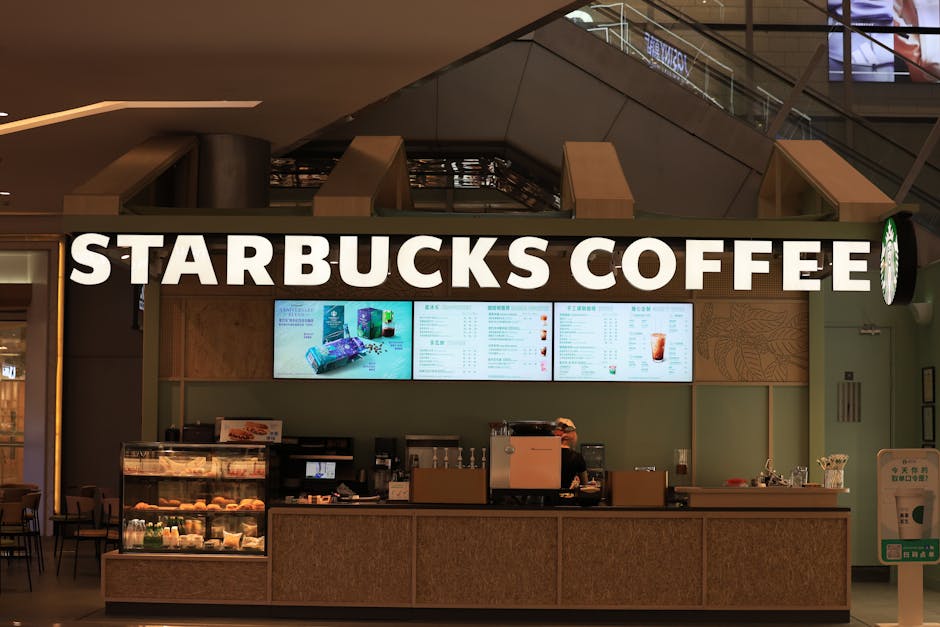
Starbucks’ Localized Menu Innovation: Shaping Global Taste, One City at a Time
Starbucks—the brand synonymous with coffeehouse culture—has transcended its Seattle roots to become a global powerhouse, a place where billions gather not just for caffeine, but for community and cultural connection. Yet, beneath the surface of its green mermaid logo lies a more nuanced story: Starbucks’ remarkable mastery of menu localization. As CEO Brian Niccol steers the company through a turnaround evidenced by a 4% same-store sales rise in Q1 2026, Starbucks leverages advanced analytics and a deep understanding of local rituals to turn regional flavors into global revenue drivers.
This exposé explores Starbucks’ deliberate, data-driven approach to menu innovation across seven distinct markets—Tokyo, Istanbul, Shanghai, Mumbai, Seoul, Milan, and Mexico City—and asks: What happens when a global brand becomes truly local?
The Power of Local: Beyond Vanilla Lattes
Historical Context and Market Evolution: Originally, Starbucks expanded abroad with a “one-size-fits-all” menu, but sales stagnated and critical engagement metrics lagged. Enter Deep Brew AI—a proprietary platform analyzing localized sales, customer feedback, and regional trends. The result: a dramatic shift from standard fare to wildly inventive offerings, such as the matcha latte, now a global staple but once exclusive to Japan.
For example, February 2026’s U.S. menu refresh featured the Dubai chocolate bite, echoing Middle Eastern influences while spurring a 12% bakery category growth. Studies indicate that markets with high menu adaptation see 20-30% higher engagement than those relying solely on global standards. This isn’t just culinary experimentation—it’s strategic transformation.
Japan (Tokyo): The Matcha Revolution and Sakura Economy
Tea-Centric Domination:Tokyo Starbucks stores have become icons of tea innovation—deeply attuned to Japan’s centuries-old tea rituals. The local menu leverages matcha, hojicha, and the ephemeral sakura, pushing unique products like the Sakura Frappuccino and Hojicha Latte to cult status. Deep Brew AI’s real-time analytics reveal that matcha variants comprise 40% of Tokyo sales, while hojicha beverages have driven a 15% uplift in tea-related purchases.
Seasonal Strategy:Every spring, cherry blossom-inspired drinks cause a 30% spike in annual sales, with sakura releases selling out in hours—an example of how local ritual translates to commercial success. Pre-ordering via the Starbucks Japan app includes Deep Brew-driven loyalty offers, further boosting engagement.
Physical and Digital Integration:Stores mimic the calm aesthetics of a ryokan, extending dwell time by 20% over global averages. In 2026, Starbucks launches the ube chai-matcha hybrid, anticipating the rise of purple yam trends.
Turkey (Istanbul): Ottoman Fusion and Bakery Renaissance
Cultural Fusion:Istanbul stores blend Ottoman architecture—including domed ceilings and ornate tilework—with menus steeped in Turkish tradition. February 2026’s introduction of the chocolate pistachio loaf was a nod to baklava, with AM traffic surging 28% from pistachio-based breakfast items.
App Engagement:Deep Brew-driven offers via the Starbucks Turkey app generate a 22% increase in loyalty usage. Seasonal items like the Turkish Delight Frappuccino—rose-pistachio foamed for Ramadan—demonstrate how festival-driven spikes can drive 40% sales growth.
Store Experience:In stark contrast to Italy’s rapid espresso culture, Istanbul stores are designed for lingering sessions, boosting per-visit revenue by 35%.
China: Mooncakes and the Rise of Non-Coffee Luxury
Festival-Driven Innovation:In China, Starbucks positions coffee as a luxury product, but it’s local non-coffee trends—sparkling teas, mooncakes—that define the market. The Mid-Autumn Festival mooncakes generate over $50M annually, with Deep Brew AI recognizing youth-driven demand for sparkling juice blends, now accounting for 35% of non-coffee revenue.
Tech-Forward Ordering:Pre-orders for festival items via the WeChat Mini Program are accompanied by loyalty discounts, increasing retention by 40%. Stores serve as social hubs, extending dwell time and facilitating deep engagement.
Data-Driven Insights:AI detects a +28% shift in non-coffee beverage adoption among Gen Z, spawning new products that anticipate rapid market shifts.
India: Chai, Breakfast, and Protein Trends
From Authenticity to Innovation:India’s Starbucks menu balances authenticity with innovation—masala chai latte, vada pav muffin, and mango-lassi inspired yuzu citrus blossom (a global hit). Deep Brew has identified a breakfast surge, with masala egg wraps boosting AM traffic by 25%.
Cross-Channel Integration:The Starbucks India app and Zomato delivery integration drive bundled offers, utilizing AI recommendations for up to 15% off.
Design and Demographic Impact:Store designs reflect vibrant street markets, and crossover rates from tea drinkers to Starbucks beverages hit 22%. Expanding protein-rich wraps is projected to increase margins by 12%, as AI detects regional spice preferences.
South Korea: Dessert Culture and Sweet-Savory Hybrids
K-Desserts and Rice Cakes:South Korea’s Starbucks locations are famous for their unique desserts—Injeolmi Frappuccino (rice cake powder), Hotteok Croissant (sweet pancake filling), and an upcoming ube matcha hybrid. The dessert category represents 28% of sales, with seasonal products boosting uplift by 35%.
Youth-Led Trends:Personalization via Deep Brew and integration with the KakaoPay app drive a 20% increase in personalized orders, appealing to South Korea’s predominately under-30 demographic.
Strategic Collaboration:K-pop themed desserts and R&D hubs create buzz, with dessert-driven growth forecasts topping 25%.
Italy: Espresso Minimalism and Menu Streamlining
Authenticity Above All:Italy’s coffee culture is fiercely traditional—quick, concentrated espressos, with bar-like layouts. New espresso beverages, like Espresso Con Panna, fit seamlessly. Espresso sales comprise 60% of the Italian menu, and layout tweaks have increased throughput by 15%.
Menu Streamlining:Italy’s resistance to full-size drinks presents a cautionary tale on over-localization: streamlining menus by 20% has improved speed and authenticity, yielding a 10% sales lift.
Digital Engagement:The Starbucks Italy app offers exclusive items, reinforcing brand loyalty through authenticity.
Mexico: Colorful Traditions and Fusion Flavors
Design Meets Taste:Mexican Starbucks stores highlight traditional tilework and vibrant colors, fostering longer dwell times (+18%) and higher breakfast sales (+20%). Menu innovations like the Dubai chocolate bite and churro croissant echo local favorites, while the Tres Leches Cake Latte blends classic Mexican flavor with Starbucks beverage expertise.
Order and Delivery:Uber Eats partnership and a digital menu (starbucks.com.mx) facilitate seamless ordering, and branding with local tilework drives loyalty (+15%).
Climate and Consumption:Warmer climates favor iced drinks and fusion flavors, with data-backed menu adaptations ensuring continued relevance.
Comparative Perspectives: Understanding Localization’s Nuances
Contrasting Rituals:Tokyo’s matcha obsession represents a deep-rooted tea tradition turned global trend; Istanbul’s baklava-inspired loaves show how dessert rituals can shape morning traffic. China’s festival-driven luxury and non-coffee innovation contrast with Italy’s espresso minimalism, highlighting the limits of adaptation.
Metrics and AI Impact:A cross-regional table reveals how AI and local teams collaborate—Japan’s matcha comprises 40% of sales, Turkey’s loyalty app use jumps 22%, China’s mooncakes drive $50M annually, India’s breakfast wraps boost AM traffic 25%, and Korea’s desserts cover 28% of the menu. Italy’s streamlined menu increases throughput by 15%, while Mexico’s design integration lifts dwell by 18%.
Strategic Outcomes:Markets embracing decentralized innovation and festival-driven seasonal launches realize 20%+ growth. Yet, Italy’s caution warns of the risks of over-localization—a principle monitored through Deep Brew AI.
“Localization is not just a tactical lever—it’s a strategic imperative. Starbucks’ Deep Brew AI enables a symbiosis between global brand identity and local cultural resonance, giving the company a 20%+ edge in engagement, loyalty, and ROI across diverse markets.”
Real-World Implications: Inside the Starbucks Playbook
AI-Local Hybrids:Investing in AI-driven, locally empowered menu development is forecasted to deliver a 15% sales uplift. Decentralizing decision-making injects authentic flavors and festivals—case in point, Japan and China’s +30% resonance with regional teams.
Seasonal Tie-Ins:Festival launches, pre-order technology, and mobile loyalty offers boost foot traffic by up to 40%. In China, mooncake pre-orders and Gen Z-oriented sparkling teas exemplify high-impact, localized engagement.
Supply Chain and Cost Control:Local supplier partnerships reduce costs—Turkish pistachio sourcing saves 15%—while Mexico’s tile branding is cost-neutral but yields a 15% loyalty boost.
Risks and Brand Integrity:Italy’s resistance signals risk: over-localizing can dilute brand identity. Strategic use of Deep Brew ensures authenticity is preserved, maintaining global cohesion while celebrating local taste.
Forward-Looking Insights: What’s Next for Starbucks?
Emerging Patterns:In 2026, menu innovation is not just a matter of flavor, but of cross-functional synergy. Ube—a purple yam popular in Asia—debuts as a spring hybrid, igniting new product cycles and signaling the next protein/espresso trend. Deep Brew’s predictive analytics will further refine personalization, forecasting a 4-6% same-store uplift via localization.
Recommendations for Global Brands:1. Decentralize authority, invest in local R&D labs (5% budget recommended).
2. Leverage AI for menu personalization and festival launches.
3. Monitor metrics and balance innovation with authenticity.
4. Optimize supply chains through local partnerships.
The Starbucks playbook suggests that cross-cultural culinary innovation, powered by data, is the new frontier of global expansion.
Conclusion: The Localization Imperative and Starbucks’ Strategic Edge
The future of Starbucks—and by extension, any global F&B brand—will be defined by its ability to blend global consistency with local nuance. As evidenced by Q1 2026’s turnaround and the robust performance of regionally inspired menu items, Starbucks has proven that deep-rooted cultural engagement, festival-driven launches, and decentralized innovation are more than marketing strategies—they’re sources of sustainable competitive advantage.
Those who fail to localize risk irrelevance; those who over-localize risk losing their brand essence. Starbucks’ Deep Brew AI keeps the balance, delivering a projected 20%+ global engagement edge. As the company continues to launch matcha, ube, mooncake, and churro-inspired items worldwide, it demonstrates that the secret to global dominance is found not just in coffee beans, but in the wisdom of local flavor.
In the world of food and beverage, true leadership is local.