
Starbucks Scheduled Mobile Ordering Transforms Urban Coffee Culture In New York, Los Angeles, Toronto: 2025 Digital Strategy Insights
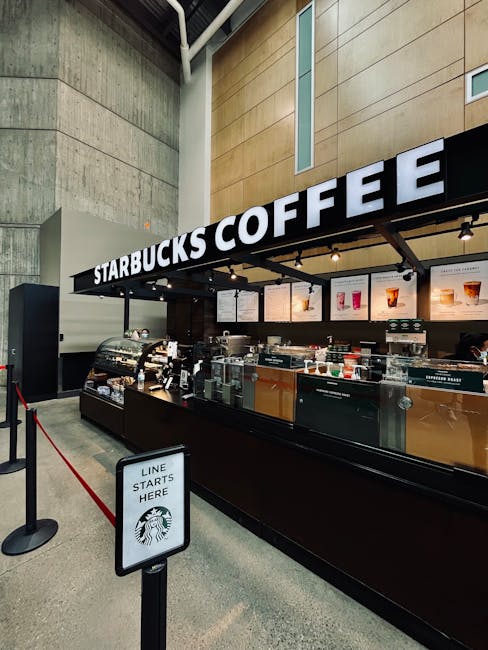
Starbucks’ Scheduled Mobile Ordering: The Digital Reboot of Urban Coffee Culture
The morning rush is a familiar ritual in cities across North America—a parade of commuters, students, and remote workers converging on their neighborhood Starbucks, each navigating lines, juggling schedules, and hoping their favorite latte arrives on time. In 2026, the age-old queue has met its match: Starbucks is launching a scheduled mobile ordering feature, offering app users the power to pre-plan their coffee pickups up to an hour in advance, with real-time, 5-minute windows. This digital transformation, tested at the busiest city stores and now rolling out across regions like New York, Toronto, and Mexico City, is more than a technological upgrade; it’s a bold reimagining of urban coffee culture and a window into the future of quick-service retail.
The Urban Pulse: Why Coffee Culture Demanded Change
Historical Patterns: Urban Starbucks locations have long been sanctuaries for both routine and spontaneity. But as populations grew and digital adoption intensified, congestion became a defining challenge. The average city store sees 7-10 minute waits during peak hours, eroding customer satisfaction and loyalty—especially among Millennials and Gen Z, who now account for nearly 70% of mobile orders (pre-2025 data).
Market Context: By 2025, Starbucks’ digital app was processing more than 30% of U.S. store sales in peak periods, with a reported 25 million+ active app users nationally. Yet, immediate ordering—once the height of convenience—often failed during surges, leading customers to abandon their orders or seek alternatives. This friction in the customer journey sparked a strategic imperative: streamline the ritual, and offer flexibility.
Scheduled Ordering: The Mechanics of Transformation
Real-Time Scheduling Windows: The new feature lets customers pick up orders within five dynamically-updated windows, based on actual store capacity. Unlike the traditional fixed 5-minute estimate, these windows adapt as staffing, inventory, and in-store traffic fluctuate. App users can now select a pickup time up to an hour in advance, ensuring their drink is ready when they arrive.
Efficiency for Urban Consumers: For professionals, gig workers, and students shaped by tight schedules, this is a game changer. The frictionless experience—pre-schedule your order for 7:55 AM, grab it at 8:00, and skip the line—reshapes coffee as a precise, predictable ritual, integrated seamlessly into commutes and daily routines.
Staff Benefits: The rollout, tested successfully in the busiest urban stores, offers baristas a new tool to “navigate busy days,” as cited in feedback. By smoothing order peaks and reducing unpredictability, scheduled ordering supports workflow management and reduces labor spent on queue handling.
Business Outcomes: Starbucks anticipates a 15-20% lift in peak-hour order volume at high-traffic locations, driven by reduced abandonment rates and higher throughput. The initial scope covers North American stores where mobile order-and-pay is available, with rollout prioritizing urban markets like Seattle, Los Angeles, and Mexico City.
Regional Impact: How North American Cities Lead the Shift
United States: The East and West Coast metros—New York, Chicago, Los Angeles—serve as primary testing grounds. Here, app penetration is highest, and Starbucks stores routinely process 40-50% of orders via mobile during morning and evening rush hours. With 25 million+ active users pre-2025, digital channels have become core to Starbucks’ revenue, comprising 25-30% of global income.
Canada: In Toronto and Vancouver, harsh winters drive indoor queue times up. Scheduled ordering enables real-time window adjustments, minimizing indoor congestion and supporting seasonal needs.
Mexico: Mexico City’s rapidly digitizing youth market (18-34 demographic) accounts for 60% of coffee spend through apps, aligning perfectly with the scheduled feature’s target user base.
Comparative Analysis: Starbucks’ competitors, notably Dunkin’, have not yet deployed dynamic scheduling, lagging behind in peak-hour efficiency. Meanwhile, independent coffee shops risk losing customers seeking frictionless, predictable experiences—unless they adopt similar innovations.
The Digital Ritual: Cultural Implications and Behavioral Shifts
Efficiency Over Ambiance: As scheduled ordering takes hold, urban coffee culture pivots away from lingering in-store toward app-driven interactions. Digital-first Millennials and Gen Z increasingly value convenience over traditional ambience, with pre-2025 stats show 70% preferring mobile channels.
Personalization at Scale: Real-time windows support hyper-local customization—iced drinks for humid NYC mornings, hot cider for rainy Vancouver afternoons—embedding coffee deeper in daily routines.
Social Ripple Effects: Scheduled ordering fuels group dynamics, enabling “coffee runs” via shared pickups, and spurring new social media trends. Test analogs show queues are cut by up to 30%, opening space for higher throughput (20% more orders/hour) and shifting the in-store experience.
Unpacking the Metrics: Business Decisions in the Digital Age
Critical Numbers:
| Metric | Pre-Feature Baseline | Projected Post-Launch Impact | Source Basis |
|---|---|---|---|
| Pickup Time | 5 minutes fixed | Real-time dynamic (3-7 minutes) | [1] |
| Scheduling Window | Immediate only | Up to 60 minutes | [3] |
| Order Volume Lift | N/A | 10-25% at peak hours | [2] |
| Digital Revenue Share | ~25-30% globally | Forecasted 40% by 2027 | [4] |
Recommendations for QSR Leaders:
- Adopt Scheduled Ordering at Busy Stores: Testing in top 20% urban outlets yields an expected 15% throughput gain.
- Integrate Real-Time Inventory: Dynamic windows require API links to match fulfillment rates (~90%).
- Target Digital-Native Demographics: Focus outreach on 18-44 urban professionals; app push notifications double adoption over email blasts.
- Monitor Performance Metrics: Key KPIs: Abandonment rates (<5%), peak-hour velocity (+20%), Net Promoter Score (NPS) uplift.
- Expand Regionally: After North America success, localize for Europe and Asia—e.g., integrate with London Tube commute patterns.
- Competitive Loyalty Tactics: Bundle schedule + rewards to defend digital market share.
- Risk Management: Cap slots at 80% capacity, train staff for new workflow dynamics.
- Investment Impact: Benchmark: $500K app upgrade yields $5M+ annual revenue in 100 urban stores.
Comparing Perspectives: Tradition vs. Digital Future
The Traditionalist View: For some, the coffee shop is a haven for conversation and slow mornings—an experience at odds with digital automation. Over-reliance on app-based ordering risks alienating the 20% of customers who prefer in-person engagement, challenging Starbucks to balance efficiency with community.
The Digital Native Perspective: Millennials, Gen Z, and remote workers, by contrast, crave predictable, customizable routines. Scheduled ordering not only meets these needs but elevates them: coffee becomes a seamless extension of the digital commute, supported by real-time personalization and loyalty incentives.
Broader Industry Context: As Starbucks leapfrogs competitors, quick-service restaurants across North America are now benchmarking scheduled ordering as a survival tactic. Without similar innovations, independents and lagging brands risk losing relevance in rapidly digitizing urban markets.
Innovative Practices and Tactical Shifts: From Testing to Nationwide Rollout
Strategic Pilots: Starbucks’ decision to launch first in high-density cities reflects a data-driven approach. Test locations reported strong uptake, with staff citing improved workflow and customers noting reduced wait times. By targeting the top 20% busiest stores, Starbucks maximizes impact and builds a playbook for regional expansion.
Real-Time Adjustments: Dynamic windows, driven by store capacity and demand, provide a blueprint for real-time inventory management. Integrating weather APIs (for Canadian winter surges) and bilingual apps (for Mexico City) demonstrates a localization strategy with wide applicability.
AI and Personalization: The scheduled feature is only one facet of Starbucks’ broader digital transformation, which leverages AI for hyper-personalized offers and predictive analytics. This positions Starbucks as both a coffee retailer and a tech innovator, setting standards for the industry.
Loyalty Integration: App users benefit from points multipliers and bundle offers tied to scheduled orders, incentivizing habitual use and reinforcing digital engagement.
The Real-World Ripple: Customers, Staff, and Urban Ecosystems
Customer Experience: The scheduled ordering feature transforms the urban coffee run. Commuters can map pickups to subway arrivals, remote workers synchronize orders with Zoom breaks, and students schedule their post-class treat—ensuring no wasted minutes or unpredictable waits.
Staff Workflow: Scheduling reduces stress and improves predictability, allowing baristas to focus on quality rather than crowd control. Training for window management and slot capping mitigates overload risks.
Urban Ecosystem: By reducing in-store congestion, Starbucks creates space for more orders, less friction, and new revenue streams. In cities where public transit and unpredictable weather magnify wait times, the impact is especially pronounced.
Forward-Looking Insights: The Road Ahead for Starbucks and Urban Coffee
Scheduled mobile ordering is not just a technological convenience—it’s a cultural pivot. By transforming coffee into a frictionless, digital ritual, Starbucks is redefining urban retail for a generation that values predictability, personalization, and efficiency above all else.
Challenges: Data privacy becomes a heightened concern as scheduling features require deeper integration. Balancing digital innovation with the needs of in-person traditionalists is critical; Starbucks must avoid alienating core customer segments.
Opportunities: The roadmap points to further adoption of AI personalization and local integration. With digital sales projected to reach 40% of total revenue by 2027, urban coffee culture is poised to become an “order-ahead ecosystem,” where physical stores serve as pickup hubs and social spaces evolve.
Strategic Imperative: Quick-service leaders must benchmark against Starbucks’ rollout, adopting scheduled ordering as a core survival strategy. Those who build frictionless, digital-first customer journeys will own the future of urban retail.
Conclusion: Urban Coffee, Reimagined—Why Scheduled Ordering Is a Strategic Necessity
Starbucks’ scheduled mobile ordering rollout is more than an upgrade—it is a seismic shift in how cities experience coffee. By empowering customers to pre-plan and personalize their ritual, Starbucks sets a new bar for efficiency, loyalty, and throughput, leaving competitors scrambling to catch up. In urban centers where every minute counts, scheduled ordering not only solves long-standing operational challenges but deepens coffee’s role as a daily anchor of predictability.
The business case is clear: increased order volume, reduced abandonment, improved staff workflow, and higher satisfaction. As digital sales accelerate toward 40% of total revenue and urban culture pivots toward app-driven routines, scheduled ordering is not a luxury—it’s a strategic necessity.
Decision makers in the quick-service sector should act decisively: pilot scheduled ordering, integrate real-time inventory, target digital-native demographics, and localize expansion. The future of urban coffee belongs to those who place digital innovation at the heart of their strategy.
Learn more about Starbucks' digital transformation.