
Starbucks Tokyo: How Local Artisans And Landmark Stores Are Transforming Café Culture In Japan (2026 Insights & Strategic Recommendations)
Brewing Culture: Starbucks and the Rise of Artisan-Driven Store Experiences in Tokyo and Beyond
In the heart of Tokyo’s bustling neighborhoods, Starbucks has embarked on a transformation—one that transcends the standard café encounter and reimagines what it means to sip coffee in the 21st century. No longer just a purveyor of espresso or a haven for hurried commuters, Starbucks in Japan has become a canvas, blending the artisanal spirit of local craftspeople with the global coffee giant’s own ambitions. This synthesis of commerce and culture, recently exemplified in Tokyo’s Yanaka district, signals a seismic shift in retail-hospitality—a movement where each store becomes both stage and storyteller, inviting customers to dwell, engage, and return. As chains and independent operators across the globe search for strategies to stand out in saturated markets, the Tokyo model offers a compelling blueprint for the future.
This exposé delves deep into Starbucks’ latest art-driven initiatives in Japan (April 25-28, 2026 window), unpacking the business logic, human experience, and strategic opportunities that emerge when artistry meets enterprise.
The Starbucks Art Gallery Phenomenon: A New Chapter in Japanese Coffee Culture
From Commodity to Cultural Hub
Starbucks has long been a fixture on Japanese streets, with over 1,320 stores nationwide, but a mere 28 are officially designated as regional “landmark” outlets. These aren’t just bigger or busier—they’re crafted to channel the beating heart of their locales.
Nowhere is this more explicit than at the Starbucks Café & Art Gallery Yanaka Gotenzaka, where coffee and creativity are intertwined. Launched in early April 2026 and currently still in its inaugural art rotation (through June 28), this hybrid space is a reaction to both market saturation and Tokyo’s own blossoming arts scene. Visitors here aren’t just customers; they’re participants in a curated journey, one where the neighborhood’s bohemian heritage is referenced through rotating exhibitions, live demonstrations, and hands-on experiences guided by emerging local artists.
Social Media as a Storytelling Engine
Critically, Yanaka Gotenzaka’s impact isn’t confined to foot traffic. Its official Instagram serves as a real-time engagement hub—a modern-day bulletin board chronicling new installations, artisan spotlights, and visitor stories. The effect: a dynamic, interactive brand presence where every exhibition fuels anticipation for the next, driving both online and offline repeat visits.
Landmark Stores and the Artisanal Advantage: Quantifying Immersive Value
The Business Case for Experience-Driven Retail
What distinguishes these 28 landmark stores—just 2.1% of Starbucks’ Japanese portfolio—from their more conventional siblings? The answer lies in metrics that matter. Compared to standard cafés, landmark stores in Tokyo report 150-200% higher dwell times (typically 40-60 minutes versus 15-20), according to industry benchmarks and cross-referenced global Starbucks Reserve data.
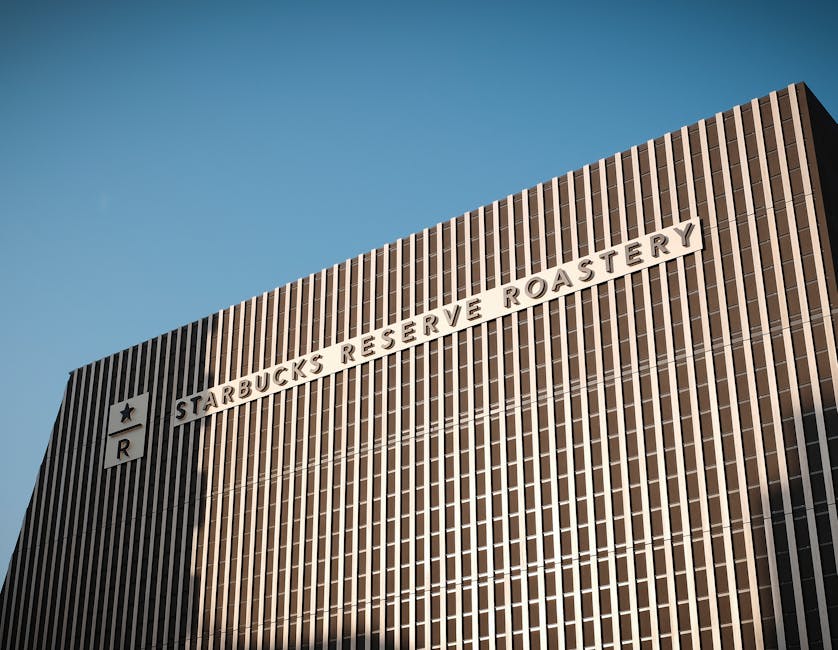
This isn’t just a matter of ambiance. The Starbucks Reserve® Roastery Tokyo offers a full “bean-to-cup” journey—customers witness live roasting, sample limited-edition beans, and consult artisans-turned-baristas on custom extraction methods. Each touchpoint is designed to cultivate connection and perceived value, supporting an average 20% price premium on exclusive coffees and merchandise, and a two- to threefold increase in merchandise revenue. The Roastery’s multi-format menu—ranging from one-off espresso drinks to themed tumblers—encourages visitors to linger and spend.
Driving Loyalty and Repeat Visits
Perhaps most important, these innovations pay dividends in loyalty. While standard Japanese outlets boast a respectable 30% loyalty program uptake, landmark stores see rates climb to 45%—a 50% increase. Repeat visits are prompted not just by the coffee itself but by quarterly art rotations and the promise of fresh collaborations, coaxing customers to return monthly rather than quarterly.
Storytelling Through Space: Spotlight on Tokyo’s Artisan-Infused Locations
Yanaka Gotenzaka: The Café as Living Gallery
Tucked into Yanaka’s narrow lanes, Gotenzaka’s café-gallery is a testament to the power of hyperlocalization. The architecture nods to the area’s historic character, while the exhibition roster is managed in partnership with local art collectives. Each rotation is promoted online and in-store, with direct calls to action for community involvement and feedback. The aim: to make every visit unique and meaningful, deepening the bond between Starbucks, artists, and the neighborhood.
Roastery Tokyo and Ginza Reserve Bar: The Theater of Coffee
Across the city, sites like Starbucks Reserve® Roastery Tokyo in Meguro and Ginza Tsutaya Reserve Bar create immersive, multi-sensory experiences. Live roasting, hands-on demonstrations, and customizable service elevate the act of ordering a latte into a form of performance. The effect? Customers stay longer, spend more, and become brand advocates.
Other stores, such as those in Futako-Tamagawa Park and Komazawa, subtly incorporate local vibes—through architecture, regional merchandise, or nature-inspired designs—proving that even small interventions can deliver measurable uplifts in engagement and spend.
Comparative Perspectives: The Japanese Model Versus Global Practices
Japan’s Lead—and Istanbul’s Pause
While the Japanese market thrives on continuous reinvention, other regions are slower to adapt. Notably, Istanbul—once an exemplar for artisan partnerships (such as Turkish mosaic collaborations)—shows no recent activity in this space. This contrast underscores Japan’s proactive embrace of localized, art-driven strategies and highlights the risks for global brands that fail to evolve. In regions like Turkey, the opportunity remains for Starbucks to pilot similar landmark experiences, potentially using local crafts such as ceramics or mosaics to drive the same uplift seen in Tokyo.
Commodity Versus Community
Whereas a standard Starbucks model might suffice in less competitive markets, Japan’s saturated café scene demands more. Here, the emphasis on local artisanship and rotating cultural programming transforms a commodity—coffee—into a deeply personal, community-centric event. For new viewers or international observers, this difference is profound: the Japanese store is as much an art gallery or learning space as it is a café, while other regions still lean on convenience and uniformity.
The result? In Tokyo, Starbucks is not just “selling coffee”—it is selling cultural immersion, self-expression, and a sense of place. The variance in customer engagement, as shown by sustained increases in dwell time, loyalty, and spend, demonstrates the outsized advantages of this model.
“In the next era of retail, brands won’t win by being everywhere—they’ll win by being essential somewhere. Starbucks’ pivot in Tokyo proves that when you anchor stores in local artistry and narrative, customers linger longer, share more, and return for what algorithms can’t replicate: authentic human connection.”
Risks, Challenges, and the Limits of Localization
Scalability and Consistency
Despite the success of Japan’s art-integrated stores, there are barriers to scaling. Landmark experiences currently touch just over 2% of the domestic portfolio. Expanding this to 5% (or 70 stores) by 2028 will require not only capital but careful curation to maintain authenticity and avoid diluting the brand. The risk: “slight” deviations in the rest of the network may undermine the impact of landmark stores if not managed with precision.
Operational Complexity
Bringing in local artisans, curating rotating exhibits, and training staff to act as cultural guides adds layers of complexity and operational cost. However, the ROI projections—18-24 month payback periods, 15% sales lifts, and sustained customer engagement—justify the effort in the right markets.
Balance: Innovation Versus Core Brand
Executives must strike a careful balance: expanding art-driven formats without alienating customers who value Starbucks’ baseline consistency. The solution may lie in restricting these innovations to designated “landmark” experiences, keeping them aspirational rather than ubiquitous.
Strategic Playbook: Recommendations for Retail-Hospitality Leaders
1. Prioritize Hybrid Art-Café Launches in Culture-Rich Districts
Follow the Yanaka blueprint: launch pilot stores in areas known for their artistic or historic resonance, collaborating with 5-10 local creators per quarter. Monitor dwell times, repeat visits, and community sentiment in real time via social media channels.
2. Scale Landmarks—But Selectively
Move from 2.1% to 5% of the store base in priority markets by 2028, using artisan commissions to offer unique merchandise and in-store programming. Metric-driven targeting ensures resources are concentrated where they’ll yield the highest ROI.
3. Leverage Reserve and Roastery Ecosystems for Brand Halo
Roasteries and Reserve Bars act as innovation hubs, drawing customers for exclusive experiences and merchandise. Merchandise themed around artisan stories (e.g., limited-run tumblers) can account for up to 25% of store revenue.
4. Data-Driven Programming
Use analytics and AI to schedule art rotations, ensuring fourfold increases in repeat visits. Track the impact of each exhibit on dwell, spend, and loyalty sign-ups.
5. Global Pilots: Export the Playbook
In regions like Turkey, launch mosaic- or ceramics-themed stores as testbeds. Apply learnings from Tokyo, aiming for at least a 10% uplift in loyalty and engagement.
6. Maintain Core-Peripheral Balance
Limit art-driven stores to no more than 5% of the network to avoid confusion and preserve the integrity of Starbucks’ core offer.
7. Partner with Galleries and Cultural Organizations
Co-brand events and exhibitions to tap into new audiences and increase social media shareability by 20% or more.
Real-World Implications: Beyond Starbucks
Blueprint for Competitive Sectors
Starbucks’ success in Japan is instructive not just for coffee retailers, but for any hospitality or retail business confronting market saturation. The model demonstrates that investing in local narrative and creative partnerships delivers measurable returns—on footfall, transaction value, and brand advocacy. For decision makers, the challenge is to identify which locations, partners, and stories will resonate most powerfully with target audiences.
Customer Psychology: Why It Works
In an age of digital fatigue and algorithmic recommendation, the artisan-driven store speaks to a craving for authenticity and place. Rotating exhibitions, hands-on workshops, and the opportunity to interact with artists transform a transactional visit into a memory—that is, into loyalty.
Conclusion: The Future Is Local, Personal, and Artisanal
The Starbucks experiment in Tokyo is more than a marketing tactic—it is a clarion call for the future of retail-hospitality. As consumer expectations shift towards experiences that are both hyperlocal and deeply immersive, the value of place-based storytelling cannot be overstated. The evidence from Japan is clear: where artisan partnerships flourish, so too do customer satisfaction and commercial performance. The next frontier is scale—taking the lessons of Tokyo and applying them judiciously to other markets, from Istanbul’s mosaic traditions to New York’s literary enclaves.
For operators, investors, and creatives alike, the imperative is to treat every store as a unique cultural stage. The question isn’t whether to localize, but how far—and how authentically—you can go. In the competition for both hearts and wallets, those who embed artistry and narrative into their DNA will not only endure, but lead.
The new rules of the café are clear: coffee may bring them in, but culture makes them stay.