
Systemized Skincare Routine For Penang & Manila: Climate-Smart AM/PM Switches Powered By Real-Time UV Index And Humidity
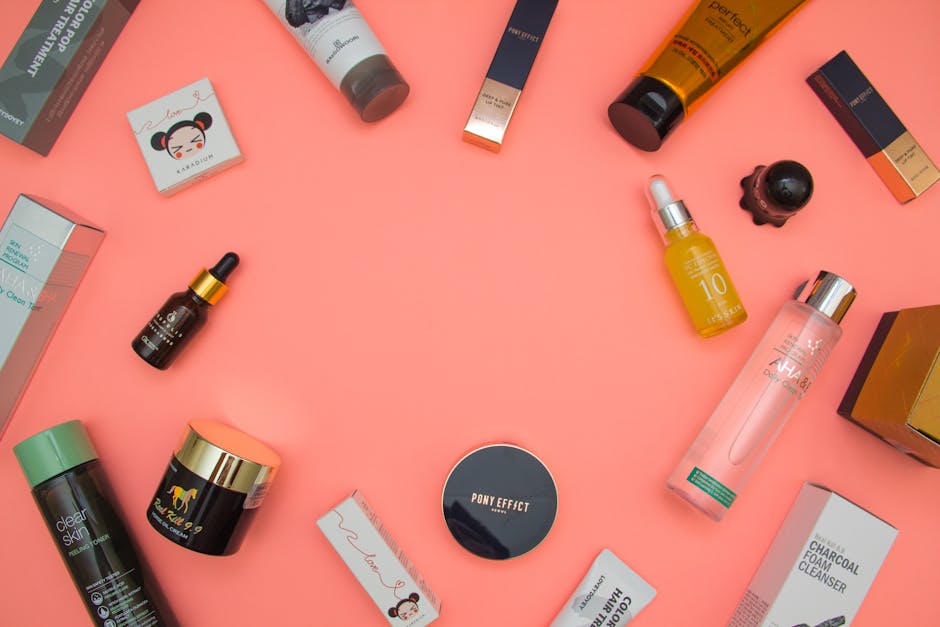
Systemizing AM/PM Routine Switches: The New Standard for Skincare in Humid Southeast Asia
Overview: Why Static Routines Fail In Penang & Manila
Urbanites in Southeast Asia—especially in tropical enclaves like Penang and Manila—are engaged in a daily tug-of-war with their skin. Intense UV index readings, relentless humidity (often above 80%), and widespread air-conditioning create a paradoxical environment: skin is both oily and dehydrated, prone to reactivity, and hypersensitive to aggressive products. For skincare-literate individuals who crave lightweight sunblock for humid weather, soothing gel for redness in humidity, and Korean/Japanese skincare tailored for tropical skin, the frustration is palpable. Static “AM/PM” routines feel outdated; what’s needed instead is a system responsive to real-time UV and humidity, with built-in logic to restore and preserve the barrier, combat pollution, and deliver sustainable anti-aging results.
Decoding these complexities requires more than trend-chasing. Companies must embrace climate-adaptive formulation, modularity, and digital systemization—integrating products like serum for oily-dehydrated skin, best sunscreen for humid weather, and repair skin barrier humidity solutions into responsive routines. The new playbook is about turning environmental “noise” into actionable signals for both product design and daily use.
Key Trends and Strategies
1. Climate-Smart Routines: Linking Skincare Directly to UV Index and Humidity
The universal “one AM routine, one PM routine” is becoming obsolete for tropical urbanites. Real-time apps now provide hourly UV and humidity data, allowing users to switch between breathable layered systems and more fortified routines as conditions demand. Notably, dermatological consensus from Southeast Asia now recommends:
- Lightweight, water-based textures under high humidity and UV (see V10Plus).
- Avoidance of full “no-moisturizer” approaches—especially under aggressive air-conditioning, which can spike transepidermal water loss (TEWL).
- Routine shifts based on real-time UVI/humidity, not static schedules.
2. Integrating Formulation Logic Over Trends
Trendy actives and textures often backfire under Southeast Asia’s environmental load. Instead, efficacy now hinges on:
- Serums with 4–10% niacinamide for oily-dehydrated skin (Cutis Medical Laser Clinics).
- Multi-weight hyaluronic acid, panthenol, or amino acids to maintain hydration without heaviness.
- Sunscreens designed for humid climates: elegant, sweat-resistant formulas like Japanese and Korean watery gels stand out as the best sunscreen for humid weather.
- Japanese/Korean “layered” routines—hydrating gently in multiple steps—outperform single heavy occlusives.
3. Data-Driven Micro-Switches: Personalizing the Routine Every Day
With climate apps on every phone, the opportunity now exists for users (and brands) to adopt a decision tree approach:
- If UVI ≥ 9: deploy outdoor-grade, sweat-resistant sunscreen and minimize actives.
- If humidity ≤ 55% (in AC): prioritize barrier-building layers, soothing gel for redness, and richer emulsion textures.
- After “barrier crash” days (sunburn, over-exfoliation): shift to zero-irritation, ceramide-rich creams—championing repair skin barrier humidity as a core claim.
4. Opportunity for Modular Product Portfolios
For brands, the path forward is clear: create concise, mix-and-match wardrobes of products that bridge humid outdoor and dry indoor settings. “Heavy occlusive Western products” are rapidly losing favor against nimble, breathable systems purpose-built for Southeast Asian skin realities. Products must integrate—not compete—in a logical, climate-aware routine.
State and Recommendations: What Firms Must Do Now
- Emphasize Climate-Adapted Claims: Formulate and label for humid, UV-intense urban Asia. “Lightweight sunblock for humid weather” and “Serum for oily-dehydrated skin” should be prominent claims.
- Systemize Routines, Not Just Products: Equip users with real-time profile-based playbooks—e.g., “AM Office,” “AM Outdoor,” “PM Barrier Reset”—and guide them on when to deploy each product type.
- Champion Layering and Modularity: Offer water-light gels, soothing hydrating essences, and two-tier sunscreen solutions. Discourage “maximal actives every night” and over-cleansing.
- Invest in User Education: Create digital resources that teach how to match products to UVI/humidity levels, not just skin types. This eliminates confusion and waste.
- Ensure Accessibility and Authenticity: Partner with platforms like Shopee, highlight “official store” status, and provide comparison swatches/ingredient transparency.
Segmentation: Challenges and Opportunities
1. Climate-Aware Skincare Users
Driven by frustration with “heavy” or “sticky” Western creams, these users respond best to Korean/Japanese skincare for tropical skin, modular layering, and responsive routines. They expect scientific claims and tangible results like a soothing gel for redness in humidity.
- Challenge: Distrust of trend-driven brands; need proof of efficacy in local climate.
- Opportunity: Position as “formulation logic first”—offer a system, not a single hero product.
2. Sensitive / Compromised Skin
Barrier fragility is rampant under constant AC, pollution, and aggressive actives. These users seek anti-inflammatory, fragrance-free, barrier-repairing solutions and benefit from repair skin barrier humidity strategies.
- Challenge: Prone to ingredient intolerance, find innovation risky.
- Opportunity: Deliver ultra-gentle options (low-pH cleansers, ceramide creams, soothing hydrating toners) and stress minimalist, “reset night” routines.
3. Oily-Dehydrated, Combination, and Reactive Skin Types
This segment experiences “shiny but tight” skin, breakouts, and reactivity—issues amplified by humidity swings and pollution. Serum for oily-dehydrated skin and anti-aging serum for humid climate are highly valued.
- Challenge: Over-strip and over-mattify, causing compensatory barrier damage.
- Opportunity: Educate on “never skip hydration, just modulate texture”—promote gels, essences, and logical sunscreen switches.
4. Early Anti-Aging (Ages 25–40)
Premature aging due to year-round UV exposure and pollution is accelerated in these cities. This segment wants actives (niacinamide, retinoids, antioxidants) that won’t trigger sensitivity, and the best sunscreen for humid weather to prevent downstream damage.
- Challenge: Products often pill, feel greasy, or exacerbate irritation in humidity.
- Opportunity: Formulate “anti aging serum for humid climate” with water-based textures and photostable antioxidants.
5. Urban Southeast Asia
Unified by exposure to high UV, AC, and pollution, this segment demands transparency, authenticity, and local relevance. They value Shopee accessibility, ingredient clarity, and responsive routines.
- Challenge: Counterfeit products, overwhelming choice, and generic Western advice.
- Opportunity: Highlight “official store” status on e-commerce, provide curated sets by climate profile, and collaborate with dermatologists.
Comparing Segments: Needs and Strategic Approaches
| Segment | Main Challenge | Product/System Opportunity |
|---|---|---|
| Climate-Aware Skincare Users | Too heavy/greasy; generic advice | Layered, climate-responsive routines; best sunscreen humid weather |
| Sensitive/Compromised Skin | Barrier fragility; sensitivity flares | Soothing gel for redness; zero-irritant ceramide creams |
| Oily-Dehydrated/Combination/Reactive | Simultaneous oiliness and dehydration; breakouts | Serum for oily-dehydrated skin, lightweight emulsions, logical active scheduling |
| Early Anti-Aging | Premature aging, irritation from actives | Anti aging serum humid climate, gentle retinoids, daily high-UVI sun defense |
| Urban Southeast Asia | Pollution, UV, AC, counterfeit risk | Accessible, Shopee-based, climate-tested modular systems |
Summary Table: Strategic Comparison
| Heavy Occlusive Western Products | Breathable Layered Systems | |
|---|---|---|
| Performance in Humidity | Occlusive, sticky, pore-clogging | Water-light, modular, sweat-tolerant |
| Routine Philosophy | Trend-driven, static | Formulation logic, responsive |
| Longevity of Results | Short-term fixes, may prompt barrier distress | Long-term resilience, active skin repair |
| Best Fit For | Cool/dry climates, thickened skin | Tropical, urban, oily-dehydrated, sensitive |
Key Insight
“Skincare for humid climate calls for more than product swaps—it demands a micro-adaptive, data-driven system that anchors every layer to the real environmental pressures of Southeast Asia. The most successful routines—and brands—will be those that integrate flexible, breathable formulations with digital guidance, turning the region’s climate from a skincare obstacle into an engine for innovation.”
Conclusion & Strategic Importance
For ambitious brands and informed users in urban Southeast Asia, the future of skincare is clear: climate-responsive systemization. The most forward-thinking firms will shift from isolated product launches to dynamic, UV- and humidity-aware routine architectures—anchored by lightweight sunblock for humid weather, soothing gel for redness in humidity, and modular, barrier-first serums and creams.
The next wave will likely involve digital personalisation, with apps or platforms offering live guidance on routine switches and optimal layering—transforming every morning into a climate-calibrated, high-performance ritual. Those who systemize first will win both the market and the trust of Southeast Asia’s most discerning, climate-savvy consumers.