
Tealives Bold Southeast Asia Expansion: How Indonesia, Vietnam, And The Philippines Are Driving The Next Wave Of Bubble Tea Growth
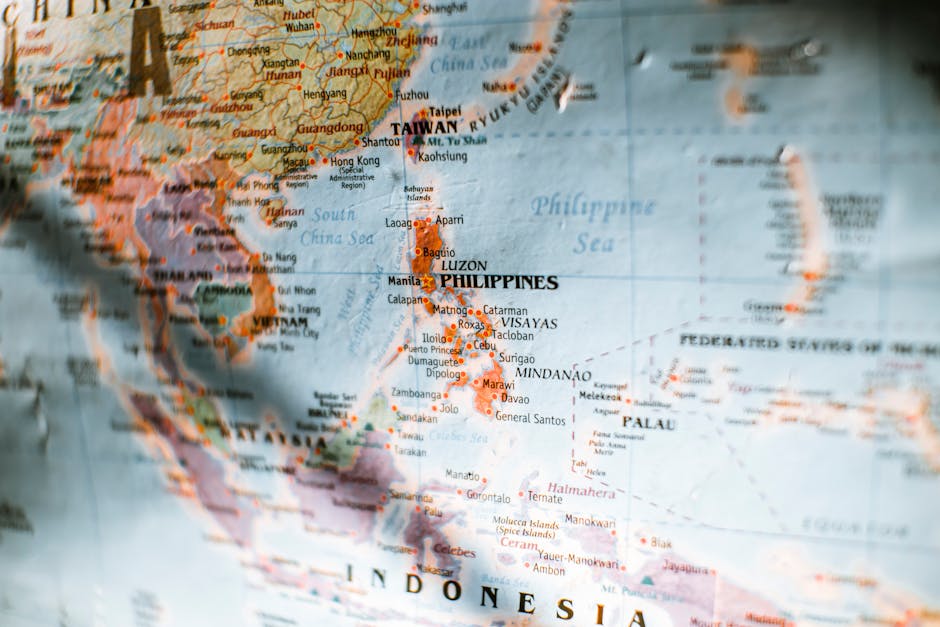
Tealive’s Southeast Asian Opportunity: Inside the Next Wave of Urban Beverage Expansion
In just over a decade, Tealive has transformed from a Malaysian upstart into a formidable regional powerhouse with more than 1,000 locations across 13 countries. Its rise echoes the broader Southeast Asian boom in lifestyle beverages—an industry at the intersection of youth, digital innovation, and new urban frontiers. As the brand’s ambitions turn toward untapped second-tier cities across Indonesia, Vietnam, the Philippines, Myanmar, and Cambodia, Tealive stands at the cusp of a pivotal new chapter. This exposé examines the strategic blueprints, on-the-ground realities, and future-facing implications of Tealive’s push into Southeast Asia’s next-generation cities, drawing on fresh data, recent announcements, and sector insights.
The Anatomy of a Modern Beverage Giant
From Homegrown to Global Aspirant
Tealive began as a Malaysia-centric player but has rapidly evolved, now boasting over 1,000 stores from Kuala Lumpur to Canada. Its core playbook—youth-centric marketing, menu variety beyond tea, and smart franchising—has rewritten how beverage chains scale across diverse, rapidly urbanizing markets. The current footprint includes established presences in Malaysia, Brunei, Cambodia, Myanmar, the Philippines, Vietnam, Mauritius, and Canada, with new launches in the UAE, India, Thailand, and Singapore. This geographic span is no accident; it is the outcome of disciplined partnerships and data-driven site selection, aligning the brand closely with Southeast Asia’s fast-changing consumption patterns.
Emerging Patterns and Tactical Shifts
The most striking pattern in Tealive’s recent moves is its focus on large, youth-heavy, underpenetrated urban clusters rather than saturated metro cores. This is visible in the capital-light master franchise approach, relying on local QSR giants (such as India’s Devyani International or Thailand’s Restaurants Development Co.) to drive multi-year, multi-outlet rollouts. This shift towards partnership de-risks market entry, speeds up expansion, and leverages local expertise—crucial in diverse, fragmented markets.
The Second-Tier Urban Goldmine: Why Indonesia, Vietnam, and the Philippines Matter Now
Indonesia: The World’s Fourth-Largest Youth Market Still Wide Open
Indonesia—home to nearly 280 million people, with a median age of around 30—is arguably the last great untapped urban tea market in the region for Tealive. Recent sources confirm no announced entry yet, even as competitors scale aggressively. Critically, Indonesia’s bubble tea consumption is propelled not just by Jakarta but by a constellation of “tier-1.5 and tier-2” cities like Bandung, Surabaya, Medan, and Yogyakarta, where student populations, mall culture, and rising digital adoption create fertile ground for F&B innovation.
Tealive’s play here is clear: partner with a large, operationally savvy Indonesian QSR or convenience chain—one already versed in delivery apps and mall formats—and pilot in high-potential cities outside hyper-competitive Jakarta. A ten-year development roadmap (mirroring the Thailand model, aiming for 60–80 outlets) would allow for careful, data-led scaling, minimizing risk and maximizing visibility.
Vietnam: Beyond the Cores, Toward Regional Dominance
Vietnam, with its ~100 million residents and a deeply embedded tea and coffee culture, is another theater of opportunity. While Tealive has entered Vietnam, its network is still thin relative to market potential—recent coverage suggests fewer than 100 international stores outside Malaysia across all markets. The path forward? Deepening presence in dynamic secondary cities like Da Nang, Hue, Can Tho, and Hai Phong, where economic momentum, youth culture, and localized digital platforms are accelerating non-core F&B consumption.
The Vietnam strategy calls for cluster-based expansion (5–8 outlets per city) using compact mall kiosks and university-adjacent street units, backed by third-party delivery and a flexible franchise model that encourages franchisees to invest in Tier-2/3 cities through stepped royalty incentives.
Philippines: Scaling Beyond Metro Manila’s Shadows
While Tealive has a foothold in the Philippines, recent headlines are dominated by expansion stories elsewhere, implying substantial remaining whitespace. The country’s 120 million population is spread across a highly urbanized archipelago, with Cebu, Davao, Iloilo, Bacolod, and Cagayan de Oro now emerging as “new Manilas” for the beverage sector.
The tactical approach in the Philippines is to deploy the “lifestyle tea” concept—expanding the menu to milk tea, coffee, premium chocolate, smoothies, and snacks—through mall and transport-hub kiosks that align with the nation’s mall-centric culture. The partnership with local influencers and K-culture fandoms will amplify Tealive’s digital presence, a proven lever for engagement in this highly social market.
Comparative Perspectives: High-Growth Engines vs. Tactical Outposts
Main Growth Engines: Indonesia, Vietnam, Philippines
These three countries offer vast, underpenetrated, and increasingly affluent urban catchments. The shared denominator is youth—a median age under 32—and a hunger for modern, customizable F&B that fits a digital, on-the-go lifestyle. Here, Tealive’s capital-light, partner-led, data-powered model is most likely to yield scale, brand equity, and long-term returns.
Validation and Halo Markets: Thailand, Singapore
Thailand and Singapore are less about volume, more about brand prestige and model validation. In Thailand, Tealive’s partnership with Restaurants Development Co. (of KFC fame) gives it instant access to premium mall and street locations, with a measured target of 80 outlets by 2035. Singapore’s inaugural launch in June 2025 (as reported) is a halo play—an expensive but highly visible platform for regional marketing, menu testing, and digital storytelling.
Tactical Contingency: Myanmar and Cambodia
These markets are marked by volatility—political, economic, and foreign exchange risk in Myanmar; small but growing tourism and youth-driven demand in Cambodia. Here, Tealive maintains a light, opportunistic footprint: low-capex kiosks in safe, co-located spaces (mini-marts, petrol stations, malls) that can be dialed up or down as conditions change.
Frontier Options: Laos and Timor-Leste
Not yet on Tealive’s immediate radar, these small, lower-income markets are likely to be served—if at all—by a regional master franchisee, leveraging logistics hubs in Thailand, Vietnam, or Indonesia. Such markets would be limited to “halo” stores in capital cities, traded for brand exposure rather than volume.
Innovative Practices: The New Playbook for Urban Beverage Franchising
Master Franchise, Local Expertise
Tealive’s success is rooted in its disciplined preference for master franchising with large, multi-brand F&B operators—partners who run hundreds or thousands of QSR or coffee shops and understand local real estate, regulation, and consumer nuance. This model, proven in India, Thailand, and the UAE, minimizes risk, accelerates rollout, and ensures menu localization and site excellence.
A typical franchise agreement spans 10–15 years, with minimum outlet development schedules, upfront and ongoing fees, and exclusivity pegged to performance milestones. Tealive manages design, training, menu, and tech, while the franchisee owns the CAPEX and daily operations—a win-win that protects the brand while unlocking market depth.
Digital and Delivery: Data-Driven Urban Scaling
Expansion now comes with delivery integration and data collection hardwired from day one. Presence on top delivery apps, a robust loyalty platform, and data-empowered site selection (using heatmaps and partner footfall data) ensure that each new store is born digital—ready to serve both physical and online catchments.
Menu as Differentiator: “More Than Tea”
Unlike mono-product rivals, Tealive positions itself as a “lifestyle beverage” platform—a one-stop hub for tea, coffee, premium chocolate, smoothies, and snacks. This diversity is crucial in Tier-2/3 Southeast Asian cities, where customers want versatility and value. The menu is further localized: cendol and gula aren in Indonesia, robusta and condensed milk in Vietnam, ube and leche flan in the Philippines—offering authenticity within a regional brand frame.
Real-World Implications: Navigating Risk and Reward
Execution Watch-Points
Market entry in “white space” cities is not without challenges. Political and FX risks persist, especially in Myanmar and (to a lesser extent) Cambodia. Quality consistency must be ensured via centralized procurement of core ingredients, with local sourcing for dairy and fresh produce where feasible. Over-franchising and brand dilution are managed through strict KPIs and regular audits.
Competition is fierce: established Taiwanese players and rising local champions will contest every urban cluster in Indonesia, Vietnam, and the Philippines. Here, Tealive’s “lifestyle” brand story—Malaysian origins and a track record of regional success—offers genuine differentiation, if deployed with discipline and cultural intelligence.
Tealive’s next decade will be defined not by how many cities it enters, but by how well it adapts to the new urban realities: cross-functional partnerships, multi-format delivery, and a brand proposition that speaks to Southeast Asia’s next billion youth.
— Key future-facing insight synthesized from sector reporting
The Franchise Application Path: For Decision-Makers and Investors
For those seeking to become part of Tealive’s urban expansion, the path is direct and rigorous. The company seeks only large, experienced operators—those capable of developing dozens of outlets over a 5–10 year horizon, with the financial and managerial heft to sustain fast scaling. Interested parties should monitor Tealive’s official communications for RFPs and partnership opportunities, engage with Loob Holding’s international franchise team, and come prepared with a robust, data-backed rollout plan.
Terms will typically reflect recent deals: master franchise structures with rights to sub-franchise (subject to performance), steep but achievable outlet schedules, and negotiation on fees and royalties to incentivize buildout in lower-tier cities. Support from regional hubs (likely Kuala Lumpur or Singapore) ensures consistent training, marketing, and supply chain management.
Action Steps and Horizon: 2024–2027 Priorities
1. Indonesia: Targeted City Pilots
Shortlist 3–5 top-tier QSR or convenience retail partners. Pilot 5–10 outlets in Bandung, Surabaya, Yogyakarta, and Medan—deliberately avoiding over-concentration in Jakarta’s crowded central districts. Monitor competitive moves and refine formats based on real-time delivery and in-store data.
2. Vietnam: Cluster-Based Second-City Rollout
Negotiate enhanced master franchise agreements with explicit Tier-2/3 expansion targets. Prioritize Da Nang, Hue, Can Tho, and Hai Phong, ensuring each cluster achieves operational density before moving on.
3. Philippines: Mall and Transit Hubs Beyond Manila
Initiate or deepen presence in Cebu, Davao, Iloilo, and Cagayan de Oro, leveraging mall kiosks and aggressive digital partnerships with local youth and pop-culture influencers.
4. Thailand and Singapore: Validate, Experiment, Amplify
Ensure the Thailand rollout stays on track, particularly in non-Bangkok cities. Use Singapore as a flagship pilot lab for premium products, brand collaborations, and high-visibility regional campaigns.
5. Myanmar and Cambodia: Risk-Calibrated Presence
Sustain only low-capex, co-located units in key urban nodes, and defer major investment until risk profiles improve.
Looking Ahead: Strategic Imperatives for Tealive and the Region
The next five years will determine whether Tealive cements its place as Southeast Asia’s dominant pan-urban lifestyle beverage chain—or becomes a cautionary tale of overreach. The smart money is on success: the demographic, digital, and consumption tailwinds are undeniable; the capital-light, partnership-driven model is robustly tested; and the menu innovation engine is poised to keep pace with evolving tastes.
What will separate winners from also-rans in this new phase is not simply access to capital or number of outlets, but the ability to orchestrate partnerships, leverage data intelligently, and build genuine brand relevance at the neighborhood level. For investors, franchise partners, and competitors alike, Tealive’s expansion into untapped Southeast Asian cities is more than a business case—it is a masterclass in modern regional brand building, with lessons that will echo well beyond the tea market.
Final Thought: Tealive’s journey reminds us that in Southeast Asia’s dynamic urban landscape, the most valuable real estate is not just physical but cultural—the hearts, minds, and everyday routines of a rising generation. Those who win here will shape the region’s beverage landscape for decades to come.