
Temus Logistics Revolution: How AI, Local Warehousing, And Strategic Partnerships Are Redefining Global E-Commerce Efficiency In The US, EU, And Emerging Markets
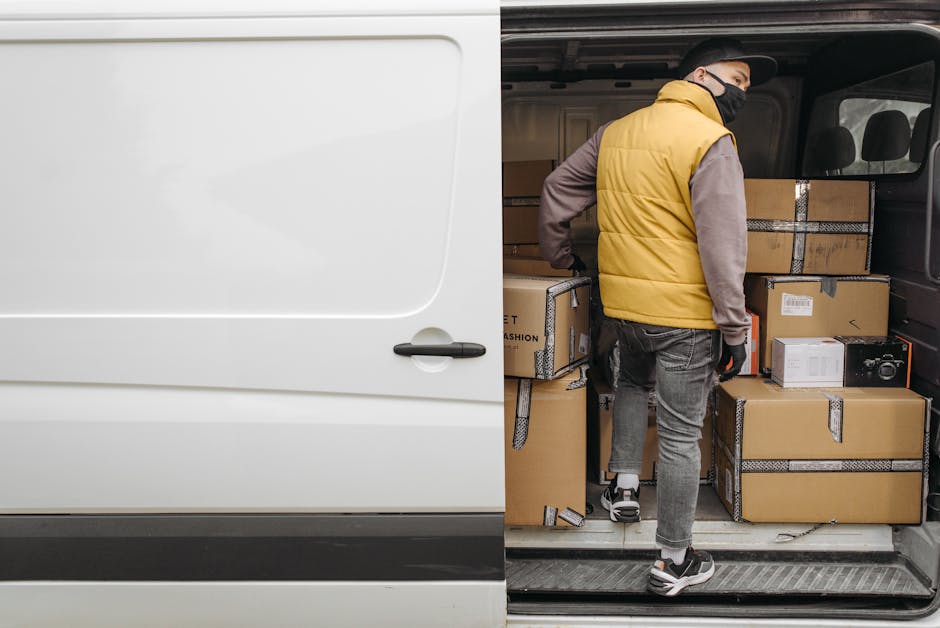
Temu’s Logistics Revolution: How the Chinese Platform Is Reshaping Global Cross-Border E-Commerce
In less than half a decade, Temu has burst onto the global e-commerce stage, upending established logistics conventions and triggering a competitive scramble among international sellers and legacy platforms. What began as a direct-to-consumer play reliant on China-based fulfillment has morphed—with remarkable speed—into a multi-layered, AI-powered ecosystem, blending local warehouses, strategic partnerships, and data-driven optimization. The result? Delivery times have plummeted, costs have halved, and regulatory minefields—like tariffs and de minimis exemptions—are being deftly navigated. As the world’s borders grow ever more porous for digital commerce, Temu’s transformation reveals both the promise and peril of the next supply chain wave.
This exposé delves into Temu’s logistics innovations from the ground up: how the platform evolved, what these shifts mean for sellers and incumbents, and why targeting the US, EU, and burgeoning markets such as Mexico and Spain will define the future of online retail.
The Making of a Logistics Disruptor: Temu’s Strategic Evolution
Historical Undercurrents
Temu’s trajectory is inseparable from the broader boom in Chinese cross-border retail. Platforms like Shein—Temu’s chief rival—pioneered direct-from-China shipping, leveraging inexpensive labor and streamlined factories to satisfy global fast-fashion appetites. For years, inefficiencies in routing, customs, and last-mile delivery were simply part of the cost structure. Yet, as global regulatory scrutiny intensified (notably under US “Trump-era” tariff policy and the EU’s evolving digital tax frameworks), the status quo began to buckle. Sellers and platforms faced rising costs, erratic delivery timelines, and an existential need for reinvention.
Temu’s Pivot: From Direct Shipping to Hybrid Models
By 2024, Temu began executing a multi-pronged logistics overhaul. The company transitioned away from pure direct-shipping, emphasizing bulk ocean freight—five times cheaper than air—and hybrid fulfillment anchored by local warehouses. Today, Temu operates 13 self-owned facilities worldwide (10 in Europe, 2 in the US, 1 in Mexico), buffering best-sellers, processing returns, and slashing per-order costs from $15 to $8 in the US alone. Crucially, these warehouses let Temu sidestep tariff exposure and pivot to “semi-managed” or “half-custody” models, shifting inventory risk and management to merchants—a playbook reminiscent of Shein’s own local expansion.
AI and Data: The Invisible Backbone
Temu’s algorithms forecast demand, optimize bulk replenishment, and consolidate orders—transforming opaque, zigzagging supply chains into predictable, cost-efficient networks. Big data not only streamlines routing; it also underpins strategic decisions (e.g., which best-sellers to stock locally, when to re-route via Vietnam/Thailand to bypass export curbs), empowering both Temu and its sellers to respond nimbly to market shifts.
Breaking Down the Model: US, EU, and the Next Frontier
United States: Navigating Tariffs and Shifting Fulfillment
Temu’s US operations face unique headwinds. The resurgence of “Trump-era” tariffs has forced the platform to favor bulk shipping to its two self-operated warehouses over traditional direct-from-China logistics. Approximately 50-60% of US orders are still shipped directly, but projections indicate a shift: by 2026, 20-25% of US volume will pass through these local sites, leveraging ocean freight ($3-4/kg, versus $15/kg for air) to drive order costs below $10/kg. The “half-custody” model incentivizes merchants to pre-stock goods in Temu’s US warehouses, granting them marketplace priority—while Temu focuses on platform management and returns processing (saving $0.60 per order), critical for margin protection on low-priced items.
For sellers, the ongoing scrutiny of the US de minimis exemption (sub-$800 packages) looms large. As regulatory risk makes direct shipping less viable, Temu’s hybrid approach offers a blueprint—albeit with new inventory risk for merchants.
European Union: Local Partnerships and Single-Item Agility
The EU’s fragmented regulatory landscape and consumer demand for rapid, transparent delivery have catalyzed Temu’s next wave of innovation. With 10 self-operated warehouses now live, Temu’s partnership with UPS enables unlimited, door-to-door single-item shipping—smashing legacy volume restrictions and granting Temu a major conversion edge. Regional partnerships, such as with Correos in Spain, accelerate last-mile fulfillment, foster “local-to-local” commerce, and reduce cross-border dependencies.
Real-time algorithms and IoT surveillance ensure fast inventory turns and precision routing, while bulk ocean freight feeds forward warehouses—helping Temu avoid new DTC exemption eliminations and cross-border tariffs. For EU sellers, the imperative is clear: adapt quickly or risk being outflanked as logistics become the decisive purchase driver.
Emerging Markets: Experimentation and Expansion
Temu’s self-operated warehouse in Mexico and its Correos-powered push in Spain signal a calculated bet on emerging regions where regulatory hurdles are lower and local fulfillment can be scaled with agility. The “semi-managed” model allows sellers greater autonomy, while bulk imports through ocean freight further reduce costs. DHL’s evolving partnership portfolio suggests broader ambitions across Latin America and Asia, providing sellers with flexible, locally-empowered delivery options.
The Hybrid Model in Practice: Comparative Perspectives and Key Takeaways
Seller Decision-Making: Emulation or Differentiation?
Global sellers must answer a fundamental strategic question: Should they replicate Temu’s hybrid logistics innovations or carve out a differentiated pathway? The data-driven answer favors emulation—especially in the US and EU, where bulk-to-warehouse fulfillment and strategic partnerships yield immediate cost and speed gains. Sellers that shift 15-20% of their volume to local facilities can capture $0.60 per order in savings and, with AI forecasting, minimize inventory waste by up to 25%.
Yet, differentiation remains possible. Bright spots include asset-light, third-party fulfillment; strategic alliances with state postal giants (the “Correos model”); and conversion-centered upgrades (e.g., single-item fast delivery). Sellers that pair these innovations with C2M (consumer-to-manufacturer) integration—outsourcing logistics and marketing to the platform—can retain flexibility while capturing scale.
Incumbents vs. New Entrants: The Competitive Divide
Incumbent platforms (Amazon, eBay, Zalando) face rising pressure to match Temu’s pace. Unlike Temu, which is exporting China’s “Pinduoduo-level” ecosystem globally, incumbents must overhaul legacy warehouses, integrate AI, and broker new partnerships—often at higher cost and slower speed. New entrants, meanwhile, can leapfrog legacy infrastructure, building asset-light models from scratch and piggybacking on Temu’s playbook.
Real-World Implications: For Sellers, Platforms, and Consumers
Margin Protection Amid Rising Regulatory Risk
Temu’s logistics transformation is not merely a technical feat—it’s a survival strategy for low-priced, high-volume sellers facing tariff headwinds and shrinking de minimis exemptions. Bulk shipping via ocean, local inventory buffering, and semi-managed fulfillment collectively shield sellers from regulatory shocks, ensuring cost discipline even as rules evolve.
Speed as Currency
In both the US and EU, speed is now the linchpin of conversion. Platforms and sellers that offer door-to-door, single-item agility—enabled by partnerships like UPS and Correos—are reaping 20-30% lifts in customer conversion, as 70%+ of consumers cite logistics as the key driver in cross-border purchasing decisions.
Risk and Reward: Inventory Forecasting Challenges
While Temu’s Y2 model (merchants ship to domestic stations for final delivery) comprises under 10% of US volume due to forecasting challenges, it is more scalable in emerging markets where predictability is lower and regulatory constraints are less severe. Sellers must balance forecasting risk against potential cost savings, deploying AI-driven demand prediction tools for mitigation.
Innovation in Motion: Partnership Models, AI, and Sustainability
Strategic Partnerships: UPS, Correos, DHL
Temu’s deepened ties with logistics giants and state firms provide a template for sellers worldwide. UPS integration in the EU has broken historical package-volume limits, enabling single-item pickup and boosting competitiveness. DHL’s expanding MoUs afford local empowerment in Latin America and Asia, while the Correos approach in Spain demonstrates how regional alliances accelerate delivery and foster localized shopping.
AI and IoT: Smart Supply Chains
Predictive algorithms and end-to-end IoT monitoring underpin Temu’s logistics edge, automating inventory management, route optimization, and demand forecasting. Sellers who invest in similar tech stacks report up to 25% reductions in waste and meaningful lifts in profit margins, as manual guesswork is replaced by integrated, real-time data.
Sustainability: Pivoting from Air to Ocean
Fast-fashion platforms have faced mounting criticism for carbon-intensive air shipping. Temu’s ocean-centric model not only cuts costs but also reduces emissions, aligning with increasing regulatory and consumer demand for environmental stewardship. Sellers and platforms that localize fulfillment are poised to win both regulatory compliance and brand goodwill.
Comparative Table: Temu’s Regional Logistics Innovations
| Region | Key Model/Innovation | Cost Savings | Delivery Impact | Partnerships | Projected Volume Share |
|---|---|---|---|---|---|
| US | Half-custody, self-warehouses (2) | <$10/kg; $8/order | 40-50% local; ocean-air mix | Third-party dominant | 20-25% by 2026 |
| EU | UPS single-item; 10 warehouses | Route AI opt. | Door-to-door any volume | UPS, Correos | High local push |
| Mexico/Spain | Semi-managed, local stations | Bulk ocean | Regionalized speed | Correos, DHL | Emerging buffer |
Actionable Steps for Sellers: Survival and Success in the New Era
Adopt Semi-Managed or Half-Custody Models
Bulk-ship inventory to local warehouses, negotiate priority listing incentives, and target cost reductions below $10/kg via ocean freight (an 80% saving over air). Begin with 10-15% of total volume, leveraging AI for risk mitigation.
Forge Regional Partnerships
Pursue alliances with state or private postal firms (e.g., UPS, Correos, DHL) to break volume restrictions and ensure door-to-door agility. Integrate APIs for real-time tracking and transparent delivery, filling consumer experience gaps.
Invest in Warehousing and Tech
Lease or build local sites for best-sellers and returns, deploying IoT and AI for demand prediction and route optimization. Asset-light third-party outsourcing provides flexibility; self-owned models unlock deeper margin protection.
Leverage C2M and Data-Driven Supply Chains
Utilize big data to forecast trends, consolidate orders, and optimize networks. Outsource logistics and marketing for efficiency, focusing internal resources on production precision.
Tariff and Regulatory Evasion Strategies
Reroute bulk shipments via export-friendly countries (Vietnam, Thailand), push for “local-to-local” merchant empowerment, and diversify fulfillment channels to mitigate risk from evolving US de minimis thresholds.
“In the battle for global e-commerce supremacy, the power to deliver—fast, cheap, and locally—is separating tomorrow’s winners from yesterday’s giants. Temu’s logistics innovations aren’t just a blueprint; they’re a litmus test for every seller hoping to thrive beyond borders.”
Challenges and Risks: Not All That Glitters Is Gold
Inventory Forecasting Difficulties
The Y2 domestic station model, while promising, underperforms at scale—comprising less than 10% of US volume due to volatile demand prediction. Sellers must invest in robust AI tools to avoid costly overstock or stockouts.
Rising Local Operational Costs
Bulk-to-warehouse and local fulfillment models entail higher upfront spend compared to direct shipping, though speed and conversion gains can offset these increases.
Intensifying Competition
Temu’s expansion empowers Chinese factories to reach global markets directly, squeezing margins and raising competitive stakes for non-Chinese sellers.
Sustainability Pressure
Platforms relying heavily on air freight face mounting regulatory and consumer scrutiny. A pivot to ocean freight and local fulfillment is both a commercial and reputational imperative.
Conclusion: The Future of E-Commerce Logistics—and the Strategic Imperative for Sellers
Temu’s logistics metamorphosis represents more than a series of operational tweaks; it’s a masterclass in global adaptation, blending algorithmic intelligence, regional localization, and partnership-driven agility. For sellers, platforms, and supply chain leaders, the question is clear: will you hybridize like Temu, leveraging bulk shipping, local warehousing, and AI-powered demand prediction? Or will you cling to legacy models and risk irrelevance as costs rise and customers demand ever-faster, more transparent delivery?
The race to drive logistics costs below $10/kg, achieve 40%+ local fulfillment, and forge strategic partnerships is no longer a theoretical exercise—it is a commercial necessity. Those who act now, embedding Temu-inspired innovations and building flexible, data-driven supply chains, will thrive in the next decade of digital commerce. As cross-border barriers dissolve and international markets accelerate, mastering logistics isn’t just a matter of efficiency—it’s a battle for survival.
Read more on Temu’s global logistics phase
Explore detailed analysis from AllThingsSupplyChain
Compare Temu’s model with Shein’s approach