
The Truth About Humidity-Resistant Skincare: Decoding Claims, Clinical Evidence, And Safe Routines For Southeast Asia (Jakarta, Manila, Bangkok, Kuala Lumpur, Singapore, Ho Chi Minh City)
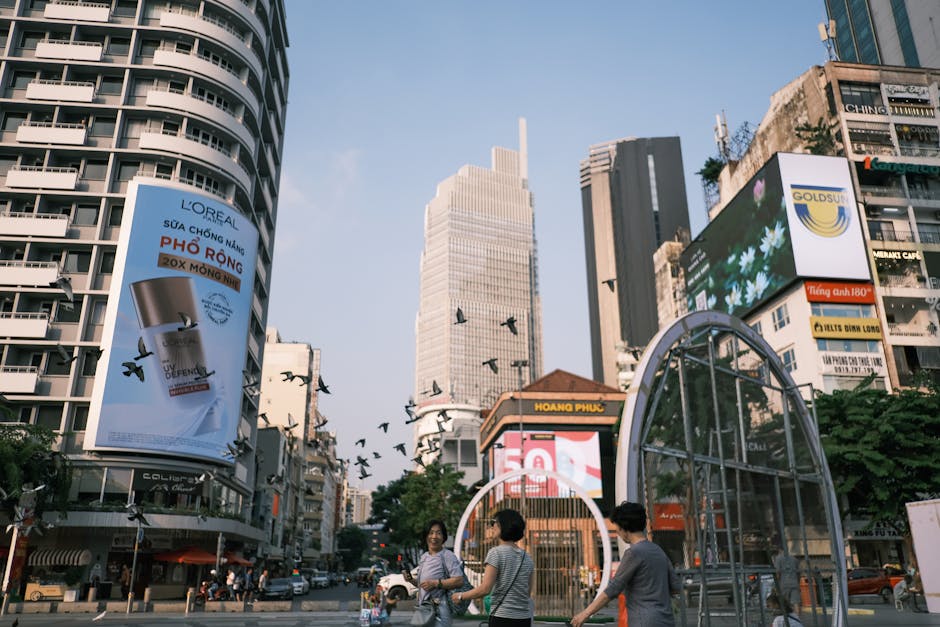
Decoding Humidity-Resistant Skincare: Clinical Evidence and Strategic Routines for Southeast Asia
For skincare-literate consumers in Southeast Asia, formulating a routine that works under intense humidity, pollution, and daily UV exposure is an ongoing challenge. Walk into any pharmacy or online shop and you’ll be confronted with “humidity-proof,” “K-beauty inspired,” or “clinical-grade” claims—most lacking meaningful evidence. Meanwhile, users struggle with oiliness and dehydration, sensitivity and breakouts, and the early creep of fine lines—all intensified by tropical climates and urban living.
The market is saturated with imported heavy occlusives that suffocate skin, trendy ingredients lacking region-specific validation, and quick-fix brightening creams that can endanger more than help. In this evolving landscape, demanding climate-competence from products is essential. How do we judge which products offer skincare for humid climate, the best sunscreen for humid weather, a serum for oily dehydrated skin, or a repair skin barrier solution for humidity?
This article synthesizes current clinical guidance, regulatory realities, and market shifts to help you build an evidence-linked, humidity-resilient skincare routine—anchored in local realities and the biophysics of Asian skin.
Key Trends and Strategies
1. Skin Quality as the New Target
Unlike Western-centric routines that target single issues, Southeast Asian dermatology is shifting to an integrated skin quality model—balancing surface smoothness, tone, firmness, and oil-water equilibrium. According to an Asia-Pacific expert panel, common complaints include uneven tone, enlarged pores, and oily-yet-dehydrated skin, now measured as dynamic endpoints for both professional and home care (Asia Pacific expert consensus).
2. Evolving Understanding of Asian Skin Diversity
Not all “Asian skin” is the same: Southeast Asian types often exhibit distinct melanin profiles, higher PIH risk, and unique sebum and TEWL patterns. Consumer claims, however, rarely reflect these subtleties, with many formulations still optimized for temperate, drier climates, or Western Fitzpatrick types (Expert consensus on Asian skin and aging).
3. Ingredient Hype vs. Evidence
Korean and Japanese skincare markets thrive on innovative botanicals, but a systematic review found only niacinamide, green tea, licorice, and soy have consistent anti-aging or brightening support—while actives like snail mucin, ginseng, and pomegranate lack robust, real-world validation (JDD South Korean cosmeceuticals review). For humid climates, piling on unstable actives increases irritation risk and PIH.
4. Regulatory Gaps and Safety Alerts
Southeast Asia’s fragmented regulation means extreme claims—especially “instant whitening”—often signal danger. Singapore’s HSA and other agencies have flagged imported products containing mercury and prescription steroids, disguised as cosmetics (HSA safety alerts).
5. Gen Z & Millennial Shift to Evidence-Based, Integrated Routines
A strong movement towards personalization, system thinking, and science-driven claims is reshaping consumption. The audience now expects products that integrate as part of holistic routines—requiring brands to prove the logic behind their claims (Beauty & Wellness in SE Asia).
State and Recommendations
- Design for Humidity, Not Just “Asian Skin”: Develop products that maintain integrity through sweat, high UV, and rapid aircon transitions. Lightweight sunblock for Southeast Asia, soothing gel for redness in humidity, and moisture-stabilizing serums for oily-dehydrated skin are key.
- Anchor Claims to Clinical Evidence: Limit anti-aging and brightening claims to actives with recognized efficacy—such as niacinamide (2–5%), green tea polyphenols, licorice derivatives, and soy—and cite actual data.
- Minimize Non-Essential or Irritant-Prone Ingredients: Avoid heavy petrolatum, high alcohol, or poly-step routines with exotic actives that lack Southeast Asian data. Focus on breathable, layered systems that work with, not against, high sebum and sweat.
- Ensure Regulatory Transparency: Full INCI disclosure and public testing summaries reduce risk and build trust, especially for “brightening” products.
- Systematize Your SKUs: Transition from single “miracle” items to routines that protect, hydrate, and repair. Offer skin-type adaptation guides, and highlight the rationale behind your layering approach.
Comparison Table: Strategies for Humidity-Resilient Skincare
| Approach | Heavy Occlusive Western Products | Breathable Layered Systems |
|---|---|---|
| Formulation Logic | Creams, balms, petrolatum, single-step routines; suited for low humidity | Serum, essence, gel-cream layering; humectant/barrier blend; designed for high humidity and sweat |
| Evidence Base | Western trials, temperate climates, Fitzpatrick I–III | Anchored to Asian consensus, local humidity exposure, routine integration |
| Performance | Heavy, sticky, risk of clogged pores and breakouts in SE Asia | Quick absorption, minimal residue, sweatproof, appropriate for skincare for humid climate |
| Approach | Trend-Driven Skincare | Formulation Logic |
| Key Features | Snail, gold, fruit ferments, exotic botanicals, viral on TikTok | Niacinamide, green tea, licorice, soy; supported by clinical trials |
| Approach | Short-Term Cosmetic Fixes | Long-Term Barrier Resilience |
| Claims | “7-day whitening,” “overnight spot erase,” high-risk actives | Barrier-corrective serums, anti aging serum for humid climate, gradual brightening, UV defense |
Segmentation: Challenges and Opportunities by User Type
1. Climate-Aware Skincare Users
Challenge: Navigating conflicting product claims vs. real climate needs.
Opportunity: Prioritize brands offering tested humidity-proof solutions—such as best sunscreen humid weather, korean/japanese skincare for tropical skin, and publish in-house studies.
2. Sensitive / Compromised Skin
Challenge: High PIH risk, barrier fragility, and over-reactivity to active cocktails.
Opportunity: Use a soothing gel for redness humidity, layer barrier-first serums (panthenol, niacinamide), and avoid high-concentration acids/retinoids without recovery nights.
3. Oily-Dehydrated, Combination, and Reactive Skin Types
Challenge: Surface shine plus underlying tightness, frequent breakouts, and uncomfortable pilling or slide-off in the heat.
Opportunity: Use serum for oily dehydrated skin with balanced humectants, non-comedogenic emollients, and minimize occlusion.
4. Early Anti-Aging (25–40)
Challenge: Early fine lines, dullness, and pigmentation—all exacerbated by chronic UV exposure and variable environments.
Opportunity: Integrate anti aging serum humid climate, ensure consistent use of lightweight sunblock southeast asia, rotate actives, and focus on gradual results.
5. Urban Southeast Asia
Challenge: Pollution, PM2.5, and rapid transitions from muggy outdoors to cold, dry air conditioning.
Opportunity: Prioritize antioxidant and anti-inflammatory actives (green tea, niacinamide), and support the barrier with a repair skin barrier humidity approach.
Comparison of Needs
- All segments: Need multi-layered, breathable, evidence-driven products that work in real humidity and pollution.
- Sensitive and early anti-aging: Require greater attention to rotation of actives and barrier-first design.
- Oily-dehydrated and urban users: Face higher risk of clogged pores and oxidative stress—benefit from non-occlusive, antioxidant-rich solutions.
“The next phase of skincare in Southeast Asia will be defined by rigorous climate awareness, transparency, and the move from trend-chasing to system-building. Only brands that demonstrate formulation intent, clinical grounding, and local adaptability will earn enduring trust.”
Conclusion: What’s Next for Humidity-Resistant Skincare?
The evidence is conclusive: Southeast Asian users can no longer settle for generic marketing or Western import logic. The future is systemized, integrated routines—anchored in locally relevant science, climate reality, and consumer literacy. This means demanding products that:
- Disclose full ingredients and test results
- Offer real solutions for oily-dehydrated, sensitive, or pigment-prone skin
- Commit to protecting, repairing, and adapting the barrier under urban, humid conditions
Brands that educate and innovate in this direction, emphasizing best sunscreen for humid weather, repair skin barrier humidity, soothing gel for redness humidity, and anti aging serum humid climate, will define tomorrow’s winners.
Strategy for firms: Recognize that consumers now demand not just products but climate-competent routines. Build credibility via transparency and consistent, system-oriented performance—because in the new Southeast Asia, formulation logic and clinical evidence matter more than ever.
For more details or an audit of your current routine, consult the latest clinical evidence and regulatory updates: