
The Ultimate Guide To ASEAN-Verified Ingredient Tracking: Building The Perfect Shopee & Lazada Routine For Oily-Dehydrated, Sensitive Skin In Manila, Jakarta & KL
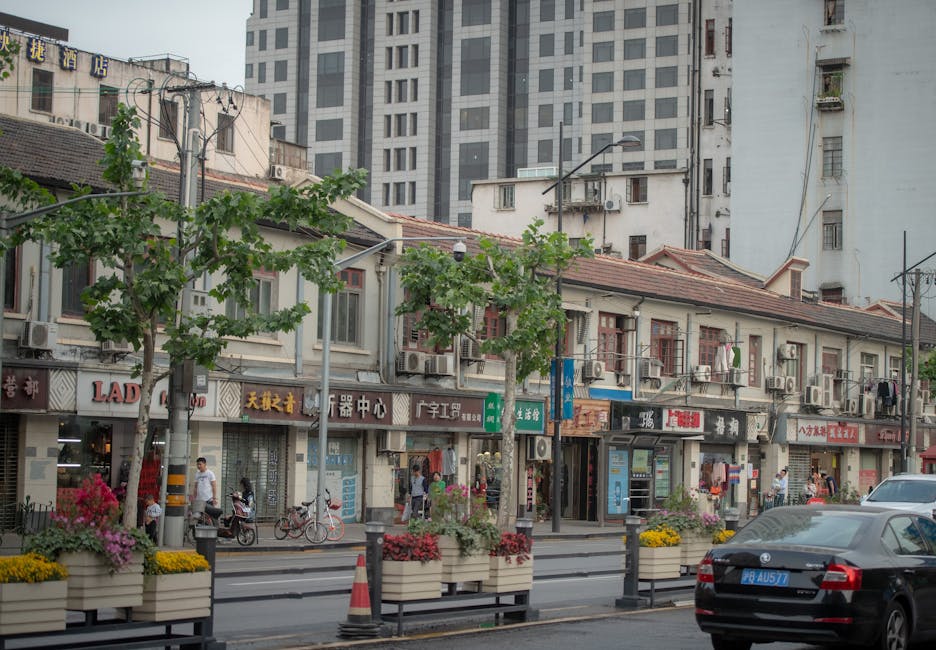
Systemizing Skincare in Southeast Asia: Integrating ASEAN-Verified Ingredient Trackers with Shopee & Lazada Routines for Oily-Dehydrated Skin
Navigating skincare in Southeast Asia is uniquely challenging for climate-aware users, especially those with oily-dehydrated, sensitive, and acne-prone skin. The familiar tropes—oiliness with persistent tightness, reactive skin with breakouts, and early aging under relentless UV exposure—are not signs of confusion, but outcomes of competing environmental and physiological pressures. The region’s urban centers are hotbeds for product innovation, but also for ingredient-first marketing, platform sprawl, and noisy claims that often overshoot the realities of living in 30°C+ humidity.
For AURA’s audience, who demand evidence, modularity, and routines that flex with their life, integrating ASEAN-verified ingredient trackers into Shopee and Lazada shopping behavior is not just empowering—it’s strategic. With more brands touting “best sunscreen humid weather,” “lightweight sunblock southeast asia,” “soothing gel for redness humidity,” “repair skin barrier humidity,” “korean japanese skincare tropical skin,” and “serum for oily dehydrated skin,” the challenge is to convert this noise into signal. This article outlines how to do just that: systemize exposure, adapt routines for humid climates, and anticipate the next wave of ingredient transparency.
Key Trends and Strategies
Ingredient-First Consumer Behavior
Southeast Asian consumers now routinely filter shopping decisions with ingredient-centric queries: “niacinamide for pores oily skin,” “ceramide barrier repair humid weather,” “anti aging serum humid climate.” They use global tools—INCI databases, comedogenicity scales—to decode listings and minimize risk. Local resources, like Anagonzales.com’s ingredient matching by skin type, and expert guides from Mega Asia’s feature with Dr. Mara, drive actionable routines: lightweight hydrators, pH-respecting cleansers, and sunscreen optimized for humidity.
Marketplace Sprawl and Regulatory Lag
Shopee and Lazada are the “default search engines” for skincare in ASEAN, but their ingredient disclosures are inconsistent. Listings prioritize virality (“best for oily skin sets,” “rejuvenating kits”) over full INCI visibility. Enforcement of ASEAN Cosmetic Directive labeling norms is gradual; barriers are still breached by cross-border products with incomplete or even banned actives. This makes ingredient tracking—manual or app-based—essential for self-governance and safety.
Emergence of Ingredient Tracker Tools
Third-party trackers—spreadsheets, browser extensions, mobile apps—parse ingredient lists and log cumulative exposure: total acid load, niacinamide duplication, barrier lipid coverage. In parallel, early marketplace filters (“fragrance-free,” “alcohol-free,” “for sensitive skin”) are emerging, with influencer content now routinely decoding Shopee/Lazada product INCI for the community.
Building Modular, Barrier-Resilient Routines
The core strategy: move away from product-level hopping to ingredient-level management. For oily-dehydrated, sensitive skin under UV assault, this means prioritizing humectants, lightweight lipids, soothing botanicals, and SPF, while limiting redundant acids and irritating additives. Tracking enables feedback-driven adaptation—tuning routines for humidity, mask wear, and seasonal changes.
State and Recommendations
- For Brands: Provide detailed, ASEAN-compliant INCI lists and concentration disclosures, especially for “best sunscreen humid weather,” “serum for oily dehydrated skin,” and other climate-specific claims. Link clinical data and usage recommendations tailored for Southeast Asian skin.
- For Shopee & Lazada: Integrate filterable ingredient metadata (“ceramides,” “bisabolol,” “fragrance-free”) and compliance badges based on regulator-registered lists. Cross-link brand ingredient diagrams and clinical summaries.
- For Consumers: Use ingredient trackers (even simple spreadsheets) to log and aggregate active exposure across products. Segment routines by climate, sensitivity, and barrier status. Favor “korean japanese skincare tropical skin” and “repair skin barrier humidity” products with verified INCI and tested compatibility.
- For Clinics & Influencers: Share ingredient breakdowns and compatibility logic for Shopee/Lazada products. Encourage routines that emphasize long-term barrier resilience rather than short-term cosmetic fixes.
- For ASEAN Regulators: Accelerate integration of product ingredient databases with marketplaces. Issue safety alerts and publish banned/suspicious product lists for public reference.
Summary Comparison Table
| Aspect | Heavy Occlusive Western Products | Breathable Layered Systems | Trend-Driven Skincare | Formulation Logic | Short-term Cosmetic Fixes | Long-term Barrier Resilience |
|---|---|---|---|---|---|---|
| Texture & Climate Fit | Rich creams, often too heavy in humidity | Gel-creams, emulsions, thin SPF—layered for adaptability | Popular actives (acids, niacinamide) stacked without coordination | Selected, timed actives in harmony with skin physiology | Immediate “oil control” or “instant whitening” | Barrier repair, hydration, gradual pigment management |
| Routine Outcomes | Sticky, greasy feel; poor adherence in humid climates | Lightweight, breathable; improved tolerance and longevity | Decision fatigue; excess exfoliation, irritation | Cumulative ingredient exposure tracked; reduced redundancy | Temporary improvement, frequent rebound | Stable, healthy skin that resists UV, pollution, dehydration |
| Ingredient Disclosure | Often partial, EU/US-oriented | INCI, tailored to ASEAN needs | Marketing-focused; incomplete lists | Full INCI, concentration, pH, compatibility | Vague or secretive about actives | Transparency, education, feedback |
| Compatibility for Oily-Dehydrated Skin | Low; can worsen dehydration under humidity | High; allows modular response to oil, dehydration, and sensitivity | Inconsistent; risk of barrier damage | Protected, hydrated, calm skin; minimal breakouts | Quick fixes, unsustainable | Resilient, balanced skin over time |
Segmentation and Challenges & Opportunities
- Climate-Aware Skincare Users: Demand “best sunscreen humid weather,” “lightweight sunblock southeast asia,” and “soothing gel for redness humidity.” Challenge: Sifting through dense, noisy Shopee/Lazada listings to find INCI-compliant, breathable products. Opportunity: Ingredient trackers cut through noise, systemize exposure, and promote humidity-friendly routines.
- Sensitive / Compromised Skin: Seek fragrance-free, low-alcohol, and minimal acid routines. Challenge: Redundant actives and undisclosed ingredients. Opportunity: Use trackers and batch testing to identify triggers, refine barrier repair strategies, and favor “repair skin barrier humidity” innovations.
- Oily-Dehydrated, Combination, and Reactive Types: Battle shine, tightness, and frequent breakouts. Challenge: Overlapping “oil control” sets with high acids and niacinamide, underinvestment in barrier lipids. Opportunity: Tracker-driven exposure limits, modular routines with soothing botanicals (centella, bisabolol, allantoin) and climate-adaptive hydrators.
- Early Anti-Aging (25–40): Prioritize “anti aging serum humid climate,” pigment management, and UV resilience. Challenge: Risk of stacking retinoids and acids without compatibility checks. Opportunity: Ingredient logs facilitate gradual actives introduction, optimizing for barrier support and pigment modulation.
- Urban Southeast Asia: High pollution, frequent mask wear, indoor AC exposure. Challenge: Increased inflammation, dehydration, and rapid barrier breakdown. Opportunity: Systematic ingredient mapping, real-time feedback loops, and selection of routines that flex with environmental fluctuations.
Comparative Segment Insights
While climate-aware users and oily-dehydrated types may share an affinity for “lightweight sunblock southeast asia” and “soothing gel for redness humidity,” sensitive skin segments demand even greater transparency and minimalist routines. Early anti-aging users are at the junction—balancing actives for pigment and resilience, while urban dwellers face compounded external stressors. Across all, the opportunity lies in systemized ingredient exposure tracking, feedback-based routine adjustment, and prioritization of brands that deliver clinical backing and regional intent.
“As the ASEAN skincare ecosystem shifts toward ingredient-level transparency, users who embrace systematic tracking and climate-adaptive routines will radically reduce barrier damage, decision fatigue, and product redundancy. The future is evidence-weighted, modular skincare—where every Shopee or Lazada purchase is filtered through formulation logic, not influencer hype.”
Conclusion: Strategic Importance and Next Steps
Integrating ASEAN-verified ingredient tracking into Shopee and Lazada routines is transforming skincare for Southeast Asia’s oily-dehydrated, sensitive, and UV-stressed cohort. As ingredient literacy outpaces marketplace infrastructure, the burden of systemization and safety still rests on the consumer—but the momentum is clear. The rise of tracker tools, transparent brands, and soon-to-be marketplace filters will empower personalized, barrier-first routines that flex with humid climates, urban stress, and early aging signals.
Looking ahead, expect marketplaces to integrate compliance badges and filterable ingredient schemas, brands to deepen clinical disclosures, and regulators to push for real-time safety alerts. Those who start tracking now will be positioned for rapid adoption of new tools and will have invaluable longitudinal data to guide future purchases.
Ultimately, the shift from product collecting to routine architecture is the defining opportunity for AURA’s savvy audience. By combining ingredient trackers, feedback loops, and climate-adaptive selection, you can build routines with lightweight sunblock southeast asia, soothing gel for redness humidity, and anti aging serum humid climate that deliver resilient, evidence-grounded results—without risking barrier breakdown or endless cycles of disappointment.