
The Ultimate Guide To Building Adaptive AM-to-PM Skincare Routines In Singapore & Jakarta: Personalized Routine Generators For Tropical Skin Concerns
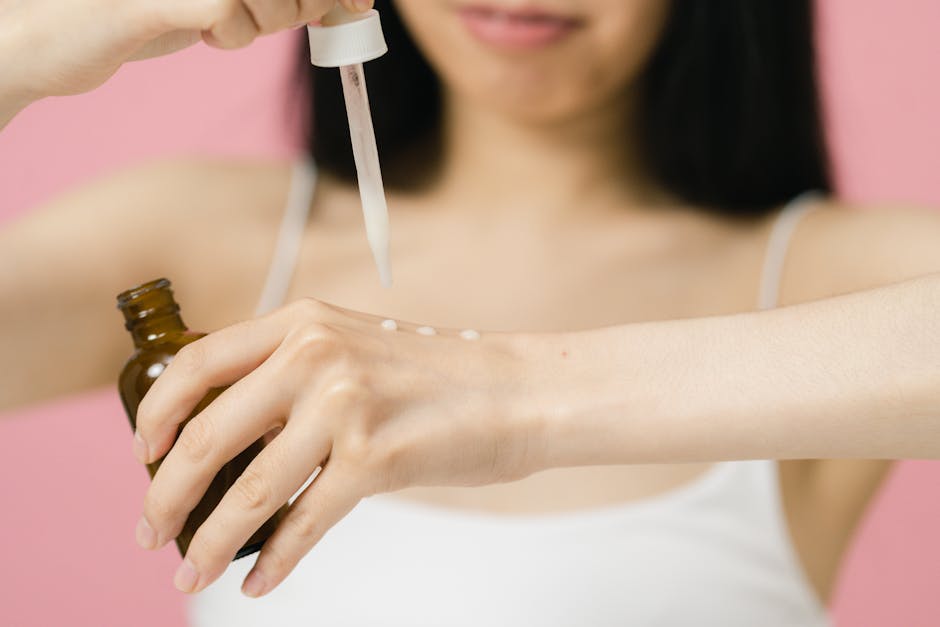
Adaptive AM-to-PM Skincare Routines in Southeast Asia: How Personalized Routine Generators Transform Skincare for Humid, Volatile Climates
Southeast Asian skincare is at a crossroads. Urban professionals and beauty enthusiasts in Singapore, Jakarta, and the wider region navigate a unique paradox: oily yet dehydrated skin, frequent breakouts paired with heightened sensitivity, and relentless UV exposure driving premature aging—all against a backdrop of high humidity, pollution, haze, and social demands for flawless skin.
For this discerning, skincare-literate audience, traditional routines and Western product strategies fall short. Many find themselves frustrated with products that feel too heavy in humidity or too reactive for already compromised barriers. The demand now: not just for products, but for integrated, climate-intelligent systems—skincare that adapts in real-time, synchronizes with the environment, and delivers barrier resilience and comfort in the tropics.
Emerging digital tools—personalized routine generators integrating chronobiology, environmental data, and local dermatological patterns—promise to end the cycle of trial, error, and waste. In this forward-looking analysis, we break down what’s changing, why it matters, and how you can leverage these advances for systemized, high-performance skin health in the Southeast Asian context.
Key Trends and Strategies in Adaptive Skincare Systems
1. Climate-Responsive Routine Architecture
In tropical cities where humidity routinely exceeds 80%, Western skincare models emphasizing rich occlusives or static “cleanse-tone-moisturize” routines often exacerbate congestion, stickiness, and under-the-surface dehydration. Instead, routine generators analyze daily humidity, UV index, and AQI, prioritizing serum for oily dehydrated skin, hydration-forward layers, and lightweight sunblock for Southeast Asia. Morning routines are built around breathable sunscreens and antioxidants, while PM regimens pivot to soothing gels for redness and barrier-repair serums.
2. Dynamic Sequencing and Microclimate Adaptation
Platform sophistication has accelerated: leading generators now recalibrate routines seasonally, weekly, or in response to pollution or haze spikes. During haze events, for example, antioxidant steps (like vitamin C or niacinamide) are frontloaded and exfoliating acids paused, a response validated by Singapore haze skincare research. This dynamic approach minimizes decision fatigue and ensures actives—such as anti aging serum for humid climate—are deployed where they’ll be most effective, rather than wasted or causing irritation.
3. From Product-Based Decisions to Systematic Routine Engineering
The shift is away from trend-driven, one-off product purchases and toward evidence-based routine architecture. Advanced platforms incorporate input on individual biochemistry, recent stress levels, and sleep cycles, then propose routines that are chronobiologically aligned. For instance, potent retinoids and barrier-repair steps are placed in the evening, maximizing skin’s natural overnight repair window, while AM routines emphasize stabilization with best sunscreen for humid weather and hydration.
4. Ingredient and Texture Logic Over Hype
Modern generators de-emphasize heavy silicones, comedogenic oils, and pH-disruptive cleansers, embracing the K-Beauty and J-Beauty playbook: korean japanese skincare for tropical skin, layerable essences, hydrating serums, and minimalist occlusives. This means less risk of product pilling, better absorption of actives, and routines that actually feel comfortable when humidity is high. Such platforms also flag ingredient incompatibilities, helping users navigate the interplay between actives like exfoliating acids and peptides.
5. Feedback Loops and Community Data
As more Southeast Asian users contribute anonymized skin outcome data, routine generators grow smarter, learning what works for oily-dehydrated, reactive, and sensitive types in real-world tropical conditions. This virtuous cycle means each user’s experience informs the next, closing the gap between clinical studies done in temperate climates and the lived realities of the equator.
State and Recommendations for Brands and Platforms
- Integrate Local Environmental Feeds: Use APIs for real-time humidity, AQI, and UV to inform routine recommendations, especially for urban centers.
- Prioritize Layered, Breathable Systems: Formulate AM-to-PM routines with lightweight sunblock, hydrating serums, and non-occlusive moisturizers (source).
- Emphasize Barrier Repair: Incorporate ceramides, cholesterol, fatty acids, and soothing gel for redness caused by humidity to address chronic barrier stress.
- Educate on Routine Logic: Help consumers understand sequencing, wait times, and why serum for oily dehydrated skin outperforms generic mattifying products in high humidity.
- Enable Protocol Adaptation: Allow for fast routine pivots during haze events or humidity swings without complete product overhauls.
- Solicit and Integrate Outcome Data: Build systems that learn from local results, not just global (temperate) skin studies.
- Be Transparent on Recommendation Rationale: Explain why each step or product is chosen, building trust with a knowledgeable audience.
Comparison Table: Evolving Skincare Strategies for Southeast Asia
| Dimension | Heavy Occlusive Western Products | Breathable, Layered Systems |
|---|---|---|
| Climate Suitability | Often too heavy; sticky, congestive in humidity | Optimized for high humidity; comfortable and compatible |
| Product Philosophy | Trend-driven, single 'hero' steps | Formulation logic, systemized routines |
| Barrier Health | Can suffocate or worsen oil/dehydration paradox | Enhances long-term barrier resilience, repair skin barrier humidity |
| Results | Short-term cosmetic fixes, leads to abandonment | Consistent, sustainable improvement over time |
Audience Segmentation: Challenges & Opportunities
1. Climate-Aware Skincare Users
Challenges: Outdated advice and products from abroad ignore local humidity, haze, and UV realities needed for skincare for humid climate.
Opportunities: Embrace adaptive generators that synchronize routines with daily weather, using lightweight sunblock, hydrating serums, and antioxidant actives for pollution defense.
2. Sensitive / Compromised Skin
Challenges: High risk of irritation or redness from mistaken use of exfoliants and heavy actives, compounded by environmental stress.
Opportunities: Seek platforms emphasizing soothing gel for redness in humidity, with a cautious approach to product layering and clear documentation of barrier-supportive ingredients.
3. Oily-Dehydrated, Combination, and Reactive Skin Types
Challenges: Navigating contradictory signals—oiliness alongside tightness, congestion with flakiness.
Opportunities: Adopt generators that deprioritize occlusives, pair water-light essences and serum for oily dehydrated skin, include lightweight sunblock for humid weather, and dynamically adjust as oil/dehydration balance shifts.
4. Early Anti-Aging (25–40)
Challenges: UV exposure accelerates visible aging. Many anti-aging actives are too harsh for humid, reactive skin.
Opportunities: Platforms can recommend anti aging serum for humid climate, deploy retinoids and peptides PM (for barrier repair), and emphasize daily photoprotection with lightweight formulas tailored to Southeast Asian sun intensity.
5. Urban Southeast Asia (Pollution & Haze)
Challenges: Chronic exposure to high AQI, haze, and volatile weather events.
Opportunities: Platforms trigger instant routine modifications—e.g., upregulating antioxidants, prioritizing ceramide serums, pausing acids—to minimize oxidative and barrier stress without overhauling the entire routine.
Comparing Segments: Where They Converge and Diverge
- Common Ground: All benefit from real-time adaptation, AM/PM sequencing, and a focus on barrier health and breathability.
- Divergence: Sensitive users require slower protocol shifts and fewer actives; urban/haze-affected users need event-triggered boosters; anti-aging audiences balance actives with support.
- Solution: Platforms that allow modular, personalized routines—easy to intensify or de-intensify—serve all audiences best.
“The real innovation is not just better products, but smarter systems: adaptive routines that evolve as your climate, stressors, and skin do—delivering clinical results with less waste, less guesswork, and measurable long-term resilience.”
Conclusion: The Strategic Imperative for Adaptive Skincare Systems
Personalized, adaptive AM-to-PM routines mark the new baseline for high-performance skincare in Southeast Asia. For brands and consumers, the strategic priority is clear: move beyond static, Western or trend-driven solutions, and embrace platforms that intelligently integrate environmental context, barrier health, and chronobiological insight. The winners will be those who design routines—not just products—that flex with haze, humidity, and skin’s own rhythms.
Looking forward, expect rapid advances: integration with wearable skin sensors, microbiome sequencing, and predictive environmental algorithms. As local data enriches these systems, Southeast Asian users won't just react to the climate—they will anticipate it, building skin health that is as resilient and adaptive as their environment.
For today: invest in systemized routines, focus on barrier resilience, and select recommendation tools rigorously. The era of adaptive, climate-smart skincare is here—offering clarity, comfort, and control where “one-size-fits-all” never could.