
The Ultimate Guide To Climate-Adaptive Skincare Ingredient Blacklists For Southeast Asia: Protecting Sensitive, PIH-Prone Skin In Bangkok, Manila, Jakarta, KL, And Singapore
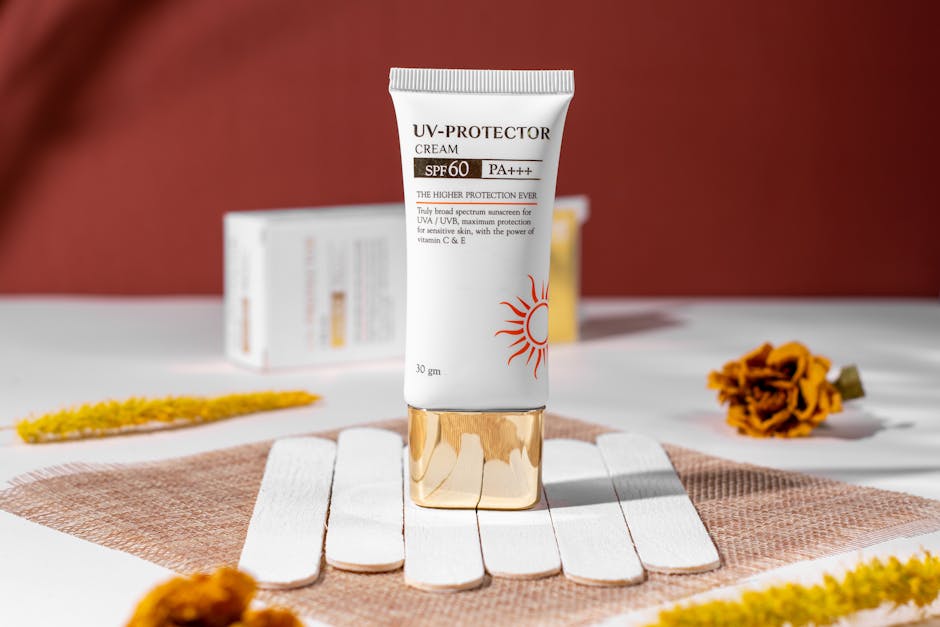
Building a Climate-Adaptive Ingredient Blacklist: The Path Forward for Skincare in Southeast Asia
In Southeast Asia, where relentless humidity, blazing UV, and urban pollution are daily realities, the frustrations of finding a truly effective skincare routine have reached a breaking point. For the region’s skincare-literate audience—balancing oiliness with dehydration, sensitivity with breakouts, and premature aging from constant UV exposure—the solution is not in endlessly chasing viral trends or heavy creams that worked in London winters. Instead, it lies in a strategic, climate-adaptive approach: building a dynamic ingredient blacklist system that filters out what is proven to backfire under local conditions, making way for skin barrier repair, sustained comfort, and resilience.
If you’ve searched for the best sunscreen for humid weather, lightweight sunblock for Southeast Asia, or serum for oily dehydrated skin, you know the pain: sticky layers, congested pores, and reactive flare-ups. This guide translates climate logic and scientific formulation into practical, actionable systems for urban Southeast Asian skin types—empowering you to embrace a routine that finally makes sense for your real-world environment.
Key Trends and Strategies
1. Climate-Driven Skin Stress Is the Norm
ASEAN capitals such as Singapore, Bangkok, and Jakarta now experience year-round high humidity (sometimes over 85%), temperatures regularly above 30°C, and UV indexes that peak above 10. These environmental stressors accelerate transepidermal water loss, congestion, sensitivity, and pigment issues—exacerbated by mask-wearing and urban pollution.
Traditional Western skincare, heavily reliant on rich occlusives and active-heavy layering, often leads to sweat-trapping, oil rebound, and barrier breakdown. In contrast, skincare for humid climate must focus on breathable, multi-functional layers that hydrate without suffocating, support the barrier, and provide antioxidant defense. The best sunscreen for humid weather, for example, features lightweight, sweat-resistant filters that feel comfortable for reapplication, rather than greasy or tacky.
See how globalization impacted beauty standards and why formulation intent matters.
2. The Rise of Ingredient Transparency and Consumer Literacy
Today’s digital-first demographic across Southeast Asia is highly ingredient literate—reading full INCI lists, comparing actives and vehicles, and seeking evidence-driven explanations for each inclusion. With climate, pollution, and lifestyle factors layered atop unique skin phenotypes (oily-dehydrated, PIH-prone, combination), the demand is for formulas that perform in real-world ASEAN conditions.
This savvy audience expects more than marketing slogans—they want climate logic, not just “for oily skin.” They seek serum for oily dehydrated skin, soothing gel for redness humidity, and repair skin barrier humidity solutions tailored to their environment, not just imported routines.
3. ASEAN Regulatory Data is Going Digital
Regulatory harmonization via the ASEAN Cosmetic Directive and the emergence of national digital registries mean it’s now possible to programmatically cross-check products for blacklisted ingredients—even if public APIs remain patchy. Brands and users willing to automate (or even just use spreadsheets) can systematically flag and exclude problematic products from their routines.
Explore the Malaysia NPRA and Indonesia BPOM platforms as examples of searchable cosmetic databases.
4. Blacklisting: Not Fear-Based, but Mechanistic and Adaptive
A climate-adaptive ingredient blacklist is not a “dirty list”—it’s an evidence-based filter, tiered by absolute exclusions, conditional exclusions, and risky combinations that historically underperform under ASEAN conditions. Such a system is dynamic, evolving alongside your skin’s feedback, environmental stress, and the latest formulation science.
For example, while heavy petrolatum or mineral oil may be appropriate in Scandinavian winters, they’re often Tier A exclusions for daily use in Southeast Asian humidity. Likewise, frequent strong acids or leave-on retinoids require contextual caution, especially in high UV exposure.
State and Recommendations for Skincare Brands and Formulators
- Adopt a tiered ingredient blacklist/whitelist system tuned for Southeast Asian humidity, UV, and urban pollution—not just generic “skin types.”
- Prioritize the development of lightweight, breathable emulsions (think Korean/Japanese skincare for tropical skin) and multi-tasking formulas that hydrate, soothe, and repair without congestion.
- Clearly articulate formulation intent: specify why each ingredient is present, especially in claims for soothing gel for redness humidity or anti-aging serum humid climate.
- Integrate regulatory data (HSA, BPOM, NPRA, etc.) into internal systems for automated INCI checking and product eligibility in ASEAN markets.
- Build routines, not one-off products: recommend compatible systems (e.g., lightweight sunblock southeast asia + serum for oily dehydrated skin + gentle, fragrance-free cleanser) rather than isolated “fixes.”
- Engage in ongoing post-launch surveillance and refinement—collect user feedback on real-world performance and iterate blacklists as data emerges.
Summary Comparison Table
| Aspect | Heavy Occlusive Western Products | Breathable Layered Systems (Climate Logic) | Trend-Driven Skincare | Formulation Logic | Short-term Cosmetic Fixes | Long-term Barrier Resilience |
|---|---|---|---|---|---|---|
| Texture | Thick, rich, often greasy (petrolatum, paraffin) | Light, water-gel, fast absorb, humidity-adapted | Novelty-driven, layered regardless of context | Mechanism-justified, targeted per climate/skin type | Instant mattifying/brightening, often stripping | Sustained hydration, gentler pH, lipid replenishment |
| User Experience | Tacky, sweat-prone, non-adherent in heat | Comfortable, non-congestive, routine-friendly | Imported routines misaligned to local needs | Transparent rationale, explained actives/vehicles | Quick visible results, risk of rebound | Fewer flare-ups, strengthened barrier over time |
| Target Outcome | Short-term occlusion for dryness, often worsens oiliness/acne | Stable hydration, PIH prevention, comfortable in humidity | Chasing trends, ignores climate reality | Leverages regulatory and clinical knowledge | Temporary suppression of symptoms | Prevention of pigmentation, sensitivity, aging |
Audience Segmentation: Challenges and Opportunities
1. Climate-Aware Skincare Users
Challenges: Fatigue from global product launches that ignore ASEAN conditions. Need for routines that flex from AC office to outdoor urban heat.
Opportunities: Demand for skincare for humid climate—layerable, breathable, anti-pollution, with clear ingredient logic. Adoption of lightweight sunblock southeast asia, anti aging serum humid climate.
2. Sensitive / Compromised Skin
Challenges: High rates of irritation, phototoxicity, and post-inflammatory hyperpigmentation (PIH) from inappropriate actives/fragrance.
Opportunities: Growth of soothing gel for redness humidity, fragrance-free formulations, and repair skin barrier humidity approaches. Brands could offer gentle, inclusive solutions validated for Fitzpatrick IV–V skin.
3. Oily-Dehydrated, Combination, and Reactive Skin Types
Challenges: Layering too many actives leads to rebound oiliness or dehydration. “Mattifying” or “oil-control” Western products often over-strip, triggering sensitivity.
Opportunities: Elevate serum for oily dehydrated skin, humectant-based hydration, non-occlusive barrier support, and modular routines. Encourage routine-building around climate, not just skin type.
4. Early Anti-Aging (25–40)
Challenges: High UV exposure and pollution accelerate photoaging and pigment issues, but aggressive global anti-aging routines (retinoids, acids) can overload the barrier.
Opportunities: Market gentle, adaptive anti aging serum humid climate, lightweight sunblock southeast asia, and antioxidants tailored for humid, urban realities. Position retinoids as part of buffered, phased routines, not nightly mandates.
5. Urban Southeast Asia
Challenges: Compounded pollution, mask-wearing, and unpredictable daily microclimates. High awareness but limited trust in “one-size-fits-all” claims.
Opportunities: Transparency, clinical testing in ASEAN cities, and digital tools that link regulatory data to climate-appropriate blacklists. Promote routines that span city commutes and indoor hours.
Comparison Across Segments
- All segments benefit from companies that move beyond “trend alignment” to climate-driven formulation logic specific to Southeast Asia.
- Sensitive/PIH-prone populations require the strictest blacklist tiers and fragrance avoidance, while oily-dehydrated and urban users need flexible, layerable systems and advanced antioxidant support.
- Early anti-aging users demand anti aging serum humid climate strategies that don’t compromise the barrier, while city dwellers want routines that easily adapt between micro-climates (e.g., air-con and traffic heat).
"The future of skincare in Southeast Asia is neither trend-driven nor copy-paste from temperate markets. It’s a data-driven, climate-adaptive, and barrier-first approach that finally places long-term skin health at the center of the product development cycle."
Conclusion: The Strategic Imperative and What’s Next
The ASEAN market is at an inflection point. Only brands that systematically adapt to real Southeast Asian challenges—humidity, UV, pollution, rapid lifestyle transitions—will thrive with discerning, literate consumers. Implementing a climate-adaptive ingredient blacklist and complementary whitelist, grounded in regulatory data integration, is no longer optional: it’s the strategic baseline.
As digitalization of product databases accelerates and consumer-facing tools emerge, brands that demonstrate formulation intent, clinical validation, and authentic adaptation to the region’s realities will win loyalty and trust. We expect to see not just better products—Korean Japanese skincare for tropical skin, anti aging serum humid climate, and the best sunscreen humid weather—but the rise of platforms that automate blacklists/whitelists and empower users to build personalized, resilient routines.
The competitive edge will belong to those who act now—integrating climate logic and user data into every stage of formulation, selection, and recommendation. In a region where skin health is a daily negotiation with the environment, this is not just smart business—it’s a revolution whose time has come.