
The Ultimate Guide To Dermatology And Skincare Market Trends In Southeast Asia: Insights For Business Leaders In Singapore, Malaysia, Thailand, Indonesia, Philippines, And Vietnam
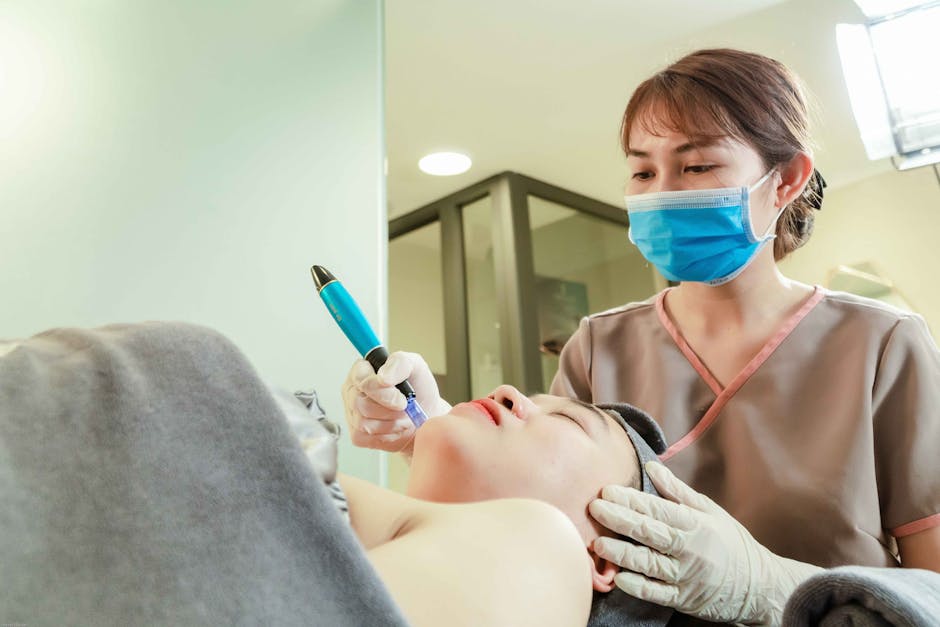
Emerging Frontiers in Southeast Asian Dermatology: Opportunity, Innovation, and the Road Ahead
Southeast Asia—home to booming metropolises, rapid economic growth, and a rich cultural tapestry—is witnessing a revolution in dermatological care. Once shaped by tradition and constrained infrastructure, the skin health sector of Singapore, Malaysia, Thailand, Indonesia, the Philippines, and Vietnam is now at the crossroads of technology, consumer empowerment, and global best practices. The region is seeing a surge in demand for advanced dermatology, fueled by rising incomes, increased health awareness, and the intertwining of beauty standards with medical science. This exposé unpacks the dynamic forces reshaping the market and spotlights where business leaders can find their next edge.
Historical Context: From Traditional Remedies to Tech-Driven Skin Clinics
Roots in Tradition
Before the rise of cosmopolitan cityscapes and international medical standards, skin health in Southeast Asia was rooted in local wisdom. Herbal concoctions, ancient ointments, and spiritual practices dominated the field. Despite tremendous progress, these traditions continue to coexist—and sometimes clash—with modern dermatology.
The Biomedical Turn
The late 20th and early 21st centuries saw Southeast Asian governments investing heavily in healthcare infrastructure and medical education. Singapore, for instance, became a regional anchor for dermatological excellence, catalyzing the formation of professional networks like the League of ASEAN Dermatological Societies. This upgrade improved research output, fostered cross-border collaboration, and began to standardize patient outcomes across markets.
Market Overview: Explosive Growth and Shifting Patient Demands
Rapid Market Acceleration
The Asia-Pacific dermatology devices market, with Southeast Asia as a substantial driver, is experiencing a remarkable compound annual growth rate (CAGR). Estimates suggest an annual expansion of 7-9%, with the regional industry projected to surpass USD 8.3 billion by 2026.
This acceleration is propelled by three core factors:
- Rising disposable incomes in urban centers, especially among millennials and Gen Z
- Growing public awareness of both cosmetic and medical dermatology
- Increasing prevalence of lifestyle- and pollution-related skin disorders
Patient Profiles Are Evolving
Modern Southeast Asian patients are digitally savvy, deeply value customer experience, and expect seamless integration between diagnosis, treatment, and post-care. Notably, demand for minimally invasive procedures, personalized regimens, and teledermatology is accelerating, with clinics adapting their service models to meet these expectations.
Breakaway Innovations and Industry Disruptors
Teledermatology: The New Normal
COVID-19 supercharged the adoption of remote care. Platforms now enable instant, encrypted consultations across borders—a boon for rural populations and international travelers. Recent studies indicate a significant rise in telemedicine utilization for skin conditions, with Southeast Asia quickly closing the digital divide.
Dermatology Devices and At-Home Care
The surge in home-use dermatology devices (market analysis) is redefining consumer engagement. LED-based devices, portable lasers, and smart skin analyzers are now both accessible and affordable. This democratization of professional-grade technology is both an opportunity (for brand expansion and new business models) and a challenge (as clinics must justify their expertise and value-add).
Regulatory Harmonization and Cross-Border Collaboration
ASEAN’s medical tourism boom—most notably in Thailand, Singapore, and Malaysia—demands transparent, harmonized regulatory practices. Initiatives such as the ASEAN Cosmetic Directive and international conferences (like AMWC Southeast Asia) are actively streamlining standards, creating new opportunities for multinational partnerships and specialist-driven clinics.
Landscape of Leading Brands and Clinics
Singapore: The Gateway to Premium Dermatology
With world-class infrastructure and a reputation for clinical rigor, Singapore is home to many regional referral centers. Asian Pediatric Dermatology experts and global research networks are headquartered here. Premier clinics (like National Skin Centre and private hospital-linked practices) offer everything from molecular diagnostics to cutting-edge laser therapies.
Malaysia and Thailand: The Medical Tourism Titans
Hospitals in Kuala Lumpur and Bangkok blend state-of-the-art technology with luxury service. These cities attract both locals seeking advanced care and international patients pursuing affordable aesthetic procedures. Thailand’s skin physicians are recognized for expertise in pigmentation disorders, while Malaysia’s regulatory reforms have built patient trust in device innovation.
Indonesia, Philippines, and Vietnam: Market Expansion Hotspots
A rapidly rising middle class and improving healthcare infrastructure have made these countries attractive to both homegrown and global brands. In the Philippines, the influence of K-beauty and celebrity-driven trends is visible in the surge of minimally invasive procedures and cosmeceuticals. Vietnam, meanwhile, is aggressively investing in medtech startups and cross-border partnerships to catch up with its neighbors.
Emergence of Home-Grown Giants
Dr. Leo’s Dermatologist Skin Care, for example, has leveraged both local insights and international acclaim, signaling a broader trend where Southeast Asian expertise finds its place on the world stage (news feature).
Comparative Insights: What Sets Southeast Asia Apart?
Diversity of Skin Types, Needs, and Expectations
Southeast Asian populations are ethnically diverse, and skin types range from Fitzpatrick III to VI, with complex needs related to pigmentation, acne, keloids, and sensitivity to sun exposure. This creates distinct product and service demands versus Western or Northeast Asian markets, and has driven an ecosystem of specialized research and customized product launches.
Fast-Track Adoption vs. Structural Challenges
While Singapore and Thailand lead in regulatory sophistication, other markets still face challenges: uneven urban-rural access, fragmented insurance coverage, and periodic consumer mistrust of rapidly proliferating beauty chains. Business leaders must adapt strategies to these nuanced landscapes—succeeding in Jakarta or Hanoi requires different tactics than those effective in Singapore’s Orchard Road.
Cultural Perceptions and the Stigma of Skin Disease
Skin disease often carries a social stigma, impacting mental health and employment prospects. Recent years, however, have seen campaigns—including those led by the Asian Pediatric Dermatology network—address this stigma and promote early intervention, with visible impact on patient willingness to seek professional care.
Key Figures, Data, and Statistics
- Market Size: The overall Asia-Pacific dermatology device market projects robust growth, forecasted to exceed USD 8.3 billion by 2026.
- Device Penetration: Home-use device growth is outpacing clinical system sales, with social media driving consumer interest across Indonesia and the Philippines.
- Telemedicine Uptake: In 2023, teledermatology usage in Southeast Asian clinics increased by up to 40%, according to recent peer-reviewed studies.
- Medical Tourism: Up to 20% of Thailand’s dermatology clinic revenue is derived from foreign patients, especially those from the Middle East, Australia, and neighboring ASEAN states.
- Unmet Needs: The World Health Organization notes persistent access gaps in rural Vietnam and parts of Indonesia, despite rapid growth in urban dermatology clinics.
Real-World Implications: The New Patient Journey
End-to-End Care Platforms
Patients now expect to book online, consult via video, access health records on their phones, receive at-home product deliveries, and interact with AI-driven skin analysis tools. Brands and clinics that offer a seamless omnichannel experience will lead the next wave of market share capture.
Training and Talent Development
With demand outstripping current specialist numbers, there is a premium on training programs, international fellowships, and the emergence of AI-powered diagnostics that help bridge human resource gaps. Initiatives by the League of ASEAN Dermatological Societies are vital in raising the bar for professional development and research output.
"The convergence of personalized diagnostics, telemedicine, and empowered consumers is redefining what it means to deliver dermatological care—not just treating disease, but elevating human confidence, social participation, and lifelong health in Southeast Asia."
Recommendations for Business Decision-Makers
Invest in Omnichannel Infrastructure
Develop platforms that integrate teleconsultation, e-prescriptions, AI-based analysis, and seamless booking/payment options. This not only meets patient expectations but also builds a robust data ecosystem—critical for clinical research and customized service loops.
Diversify Product and Service Lines
Pair in-clinic innovation with direct-to-consumer product strategies. Invest in or partner with leading device makers to expand your home-use portfolio, while ensuring medical-grade credibility through rigorous trials and transparent branding.
Prioritize Regulatory Compliance and Quality Assurance
Given evolving patient safety standards and cross-border medical tourism, compliance with both local and ASEAN-wide protocols is non-negotiable. Develop internal task forces to monitor and implement regulatory updates proactively.
Champion Stigma Reduction Campaigns
Engage in public education efforts (in partnership with networks like Asian Pediatric Dermatology) to destigmatize skin disease, boost early intervention, and build brand trust.
Conclusion: The Future Trajectory—From Skin Health to Holistic Wellbeing
The Southeast Asian dermatology sector stands at a historic inflection point. Growth is no longer measured solely in the number of clinics or market size, but in the depth of expertise, the seamlessness of care, and the inclusiveness of access. Business leaders who embrace this complexity—blending regional sensitivity with global innovation—will not only capture market share but also drive a new paradigm for holistic wellbeing.
The coming decade will reward those who invest in talent, omnichannel care, and patient-centered design. As Southeast Asia continues to shape the future of global dermatology, strategic engagement now will secure long-term leadership and operational resilience in a region where the intersection of beauty, science, and digital transformation is just beginning to reveal its extraordinary potential.