
The Ultimate Ingredient Safelist For Sensitive Skin In Manila, Bangkok, And Jakarta: Beat Humidity, Pollution, And UV With Smarter Skincare Choices
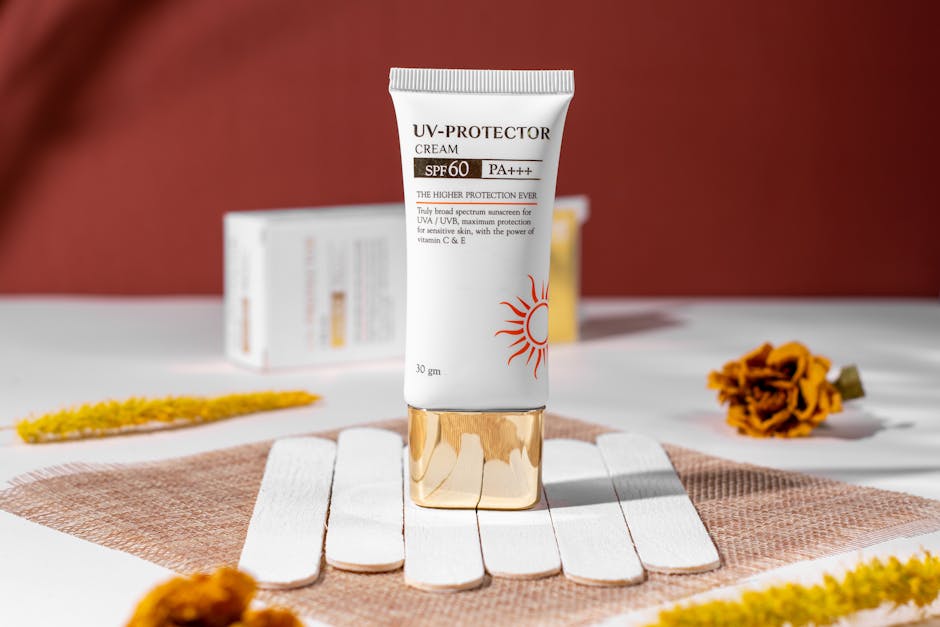
Urban Skincare in Southeast Asia: Why Ingredient Safelists, Not Trends, Guide Real Results
In the relentless climate of Manila, Bangkok, and Jakarta, skin is shaped as much by the environment as by genetics or product choice. High heat, humidity, constant UV, and urban pollution form a unique “bio-climate” that mainstream beauty marketing rarely addresses. For already skincare-literate users plagued by oiliness with dehydration, sensitivity with breakouts, and signs of early aging, the dilemma is clear: most products—especially “heavy occlusive” Western creams and viral trends—simply don’t perform under tropical stress. The rise of lightweight sunblock Southeast Asia, soothing gel for redness humidity, and repair skin barrier humidity claims reflects a deeper need: products engineered for resilience, not just immediate cosmetic effect.
This article outlines why system-level thinking—anchored by a “multi-city ingredient safelist”—now trumps any single holy grail product. We present the environmental data, clinical findings, and actionable strategies for consumers and brands to build routines and formulating logic suitable for Southeast Asia’s new urban skin reality.
Key Trends and Strategies
1. Sensitive Skin: The New Urban Baseline
Once a niche concern, sensitivity is now the norm. Across ASEAN, the sensitive skincare market is projected to reach USD 2.27 billion by 2028, with self-reported sensitivity affecting over 20% of consumers. Notably, women in their 20s are already experiencing pigment spots and sallowness—a shift from the “midlife” onset seen elsewhere (Dovepress study). The market’s reaction? A deluge of “gentle,” “barrier-repair,” and “microbiome-based” claims—yet frequent inclusion of fragrances, harsh solvents, and occlusive layering still creates mismatch for the urban ASEAN barrier.
2. Extrinsic Aging Drives Visible Change—Starting in Youth
Clinical evidence now shows that UV exposure is the single dominant driver of visible aging in Asian skin, with sun-induced changes apparent from the 20s—not after decades, as in Caucasian groups (Dovepress). Pollution, elevated PM2.5, and ozone compound these effects, accelerating pigment, dullness, and barrier dysfunction (see review). This calls for daily, high-stability best sunscreen humid weather and antioxidant routine as the backbone, not an afterthought.
3. "Korean/Japanese Skincare" and Local Innovation: Not All That Glitters is Gold
While Korean Japanese skincare tropical skin lines tout “sensitive,” “hydrating,” or “non-comedogenic” benefits, many are optimized for temperate climates—not for daily urban sweating, pollution, and humidity spikes. Trending serums or masks may overload the skin with actives, solvents, or silicones, leading to unpredictable flare-ups. Instead, systematized ingredient filters and real-time routine adaptation (especially for serum for oily dehydrated skin and anti aging serum humid climate) are needed for lasting results.
4. E-Commerce Shifts Power—But Also Raises Risk
With Shopee and Lazada offering thousands of SKUs and influencer-led content driving early skin health literacy (SSRN), Southeast Asians are more ingredient-aware—yet more vulnerable to misaligned hero trends. Algorithm-driven bestsellers, often designed for distant climates, crowd out measured, climate-appropriate routines.
5. From Trend-Driven Shortcuts to Formulation Logic
The future points away from quick-fix, “one-size-fits-all” approaches towards barrier-led, climate-calibrated layering. This means building routines on a foundation of gentle cleansing, balanced hydration, smart antioxidants, and context-aware actives, with “hard blacklists” (e.g., high alcohol, strong fragrance, heavy waxes) and “contextual blacklists” (occlusive layering in Manila, aggressive acids under Jakarta sun) guiding product choice.
State and Recommendations
- Prioritize climate and pollution adaptation: Brands must formulate and recommend skincare for humid climate—think breathable gel-creams, sweat-tolerant film-forming agents, and low-occlusive emulsions. Avoid importing “European winter” routines to equatorial cities.
- Define and communicate ingredient safelists and blacklists: Move beyond “sensitive-friendly” branding; publish transparent ingredient criteria grounded in local environment, referencing datasets (e.g., exclude certain fragrances, high alcohol, and multiple occlusives for Manila/Jakarta).
- Anchor routines in barrier-first logic: Integrate ceramides, fatty acids, cholesterol, panthenol, centella, and stable antioxidants in core SKUs. Formulate or recommend soothing gel for redness humidity, light anti-aging serums, and robust but lightweight sunblocks.
- Segment by city environment and skin need: Recognize that Manila, Bangkok, and Jakarta have distinct humidity, AC use, and pollution realities. Offer routine archetypes and product “maps” by city and skin signal.
- Support user-driven audit tools: Enable ingredient-level, routine-logic filtering on e-commerce platforms, empowering consumers to perform live audits—ideally through plug-ins or published databases.
- Focus on education, not just product launches: Publish “how-to” guides for navigating Shopee/Lazada, reading INCI lists, and constructing context-aware regimens—especially targeting early anti-aging (25–40) and combination/oily-dehydrated users who are most affected.
Comparison Table: Systemic vs Trend-Driven Approaches
| Approach | Heavy Occlusive Western Products | Breathable Layered Systems |
|---|---|---|
| Climate Fit | Poor for humid heat; feels greasy, increases congestion | Excellent; supports evaporation, suits humidity |
| Routine Logic | Isolated “moisturizer as fix” | System: hydrating base + antioxidant + tailored barrier/moisture step |
| Barrier Effect | Risk of suffocation, breakouts, and cumulative irritation | Promotes repair, balances oil and water, lower comedogen risk |
| Longevity | Short-term comfort but rebound issues (congestion, dehydration flares) | Builds long-term barrier resilience, reduces sensitivity/aging |
| Consumer Experience | Sticky, heavy, causes “masking” and discomfort under sunscreen | Lightweight, comfortable, layers under best sunscreen humid weather |
| Approach | Trend-Driven Skincare | Formulation Logic | Short-term Cosmetic Fixes | Long-term Barrier Resilience |
|---|---|---|---|---|
| Drivers | Influencer hype, viral ingredients | Ingredient synergy, climate context | Feel/appearance after 1-2 uses | Clinical improvement, lower irritation, pigmentation protection |
| Adaptability | Low—often ignores city/skin differences | High—calibrates to urban, humid, polluting environments | High irritation risk, low tolerance buildup | Reduces sensitivity, delays visible aging |
Segmentation: Challenges and Opportunities
Climate-Aware Skincare Users
Challenge: Navigating a market flooded with foreign routines and products not engineered for high humidity, pollution, or AC-induced dehydration.
Opportunity: Demand is spurring city-specific innovations—lightweight sunblock Southeast Asia, hybrid gel serums, and hydrating but non-occlusive night masks. Ingredient-literate consumers are driving awareness for “routine fit” over brand clout.
Sensitive / Compromised Skin Types
Challenge: “Sensitive” branding is inconsistently regulated. Many products still contain strong irritants or “natural” essential oils unsuitable for fragile, urban-exposed skin.
Opportunity: There is a clear call for transparent ingredient disclosure, fragrance-free variants, and the rise of advanced soothing technologies—soothing gel for redness humidity, centella/niacinamide hybrids, and barrier-supporting serums.
Oily-Dehydrated, Combination, and Reactive Skin Types
Challenge: Balancing oil production with water loss is complex when humidity is high outside but AC drops skin hydration indoors. Layering errors (too many occlusives, over-exfoliation) are common.
Opportunity: “Breathable” layering—gel-based hydrating toners, oil-free humectant serums, and sweat-friendly, repair skin barrier humidity emollients—are rapidly emerging. Diagnostic tools and routine-mapping content are increasingly relevant for these users.
Early Anti-Aging (25–40)
Challenge: Visible aging markers—pigmentation, sallowness, fine lines—now appear up to 20 years earlier due to climate and pollution. Western “anti-aging” lines are often too harsh or occlusive.
Opportunity: Targeted, stable anti aging serum humid climate products with antioxidants, low-irritancy retinoids, and pigment-regulating actives (niacinamide, azelaic acid) designed for daily, real-world use in Southeast Asia are a burgeoning category.
Urban Southeast Asia
Challenge: Shopee/Lazada democratize choice but flood users with unsuitable products. Ingredient literacy is high—but routine/system literacy lags.
Opportunity: Brands that publish city-calibrated ingredient safelists and guide users with serum for oily dehydrated skin, gel-cream routines, and step-by-step “audit” workflows will gain trust. Community databases/tools will reshape purchasing behaviour.
Segment Comparison
- Climate-aware users lead in routine systemization; they cross-compare products by texture and INCI, not just claims.
- Sensitive types need the strictest hard blacklists but benefit the most from city-specific safelists.
- Oily-dehydrated/combination types are most at risk of errors from trend-driven layering—opportunity is high for diagnostic-first, modular routines that support both oil and water needs.
- Early anti-aging values pigment and antioxidant focus, and needs consistent sunscreen, gentle actives—brands must offer mapped step sequencing, not just “anti-aging” claims.
“The next evolution in ASEAN skincare is not a new trending ingredient—it’s a system that lets your skin, climate, and daily exposures select for what works, every day. Ingredient literacy and real-time routine logic are the new skincare superpowers.”
Conclusion: From Chaos to Clarity—A Systemic Future for Urban Skin Health
The environmental and clinical signal is unmistakable: sensitivity, pigment change, and early aging are no longer niche—they are the urban norm, especially for Southeast Asia’s youth and working-age adults (Retail Asia, PMC11845971). Heavy, occlusive, or trend-driven routines frequently backfire, intensifying the very cycles of sensitivity and breakouts they promise to solve.
The strategic imperative for both consumers and brands is clear: shift from chasing quick-fix products to building repeatable, city-calibrated screening systems. A living ingredient safelist, real-time audit tools for Shopee/Lazada, and a “routine first, product second” mindset will rebalance Southeast Asia’s urban skincare priorities. Those who integrate barrier science, pollution and UV adaptation, and transparent communication (e.g., “this best sunscreen humid weather is also sweat- and pollution-proof in Manila”) will emerge as trusted leaders.
Looking ahead, expect a rise in digital tools for automated ingredient audits, city-specific “routine templates,” and a groundswell of community-driven reviews focused not on the product, but on the system and context of use. The brands and consumers who embrace this shift will finally tame the chaos of urban skincare—and see lasting, visible change.