
The Ultimate UV-Barrier Skincare Routine For Manila & Kuala Lumpur: How To Build Evidence-Backed, Lightweight Protection Against Extreme Sun, Humidity, And Pollution
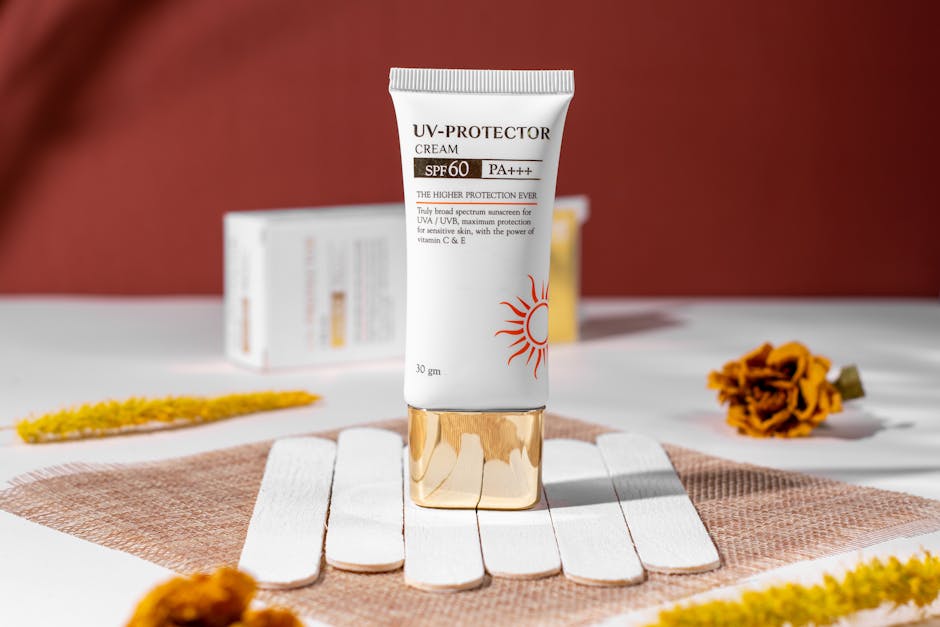
Personalized UV‑Barrier Skincare in Manila & Kuala Lumpur: Systematic Solutions for Humid Urban Skin
In the relentless climate of Manila and Kuala Lumpur, the pursuit of healthy skin is anything but straightforward. High UV indices (often 11+), constant humidity (70–90%), and persistent urban pollution create a multi-front assault on the skin—resulting in complex signals: oiliness with dehydration, sensitivity with stubborn breakouts, and premature aging despite diligent sunscreen use. For AURA’s skincare-literate audience, traditional advice and heavy Western products don’t translate. Instead, systemized routines, formulation logic, and certified efficacy are essential in building real resilience. In this context, we explore the emergence of adaptive skincare for humid climates, best sunscreen for humid weather, lightweight sunblock in Southeast Asia, soothing gel for redness in humidity, methods to repair skin barrier in humidity, and the rise of Korean and Japanese skincare for tropical skin.
This article delivers a forward-thinking primer on integrating personalized UV-barrier routines, layering serums for oily dehydrated skin, and deploying anti-aging serums optimized for humid climates. It sets out actionable strategies, practical segmentation, and the evidence-driven toolkit required for modern urban Asian skin.
Key Trends and Strategies
1. Chronic Environmental Stress Requires Layered Protection—not Just High-SPF Sunscreen.
Year-round extreme UV (UV index 9–12+) accelerates pigment changes, texture loss, and barrier compromise, especially on Fitzpatrick II–V skin. The classic “SPF 50 and done” mindset fails because heavy, greasy formulas are rapidly abandoned or under-applied, offering real protection closer to SPF 10–15. Instead, a UV-barrier system—hydrating serum, targeted actives, lightweight sunblock, and optional tinted layers—is proven to outperform single-step solutions for both comfort and pigment control. [Skin care secrets for thriving in Southeast Asia]
2. Formulation Intent and Pharmacy Certification Now Drive Trust and Results.
Regulators in the Philippines and Malaysia (DOH/FDA, NPRA) increasingly view sunscreens as quasi-therapeutic: only products tested to ISO standards and with locally-approved filters are reliably recommended. Serums and “UV defense” products must now clarify their intent, ingredient evidence, and certification. A personalized routine builder cross-references these claims against live pharmacy listings, ensuring effective, safe, and climate-compatible choices. [Top 5 skin problems in Southeast Asia]
3. Lightweight, Barrier-Supportive Formulas Are Essential for Oily-Dehydrated and Sensitive Skin.
High humidity triggers sebum while UV and pollution drive TEWL and inflammation, resulting in "soobooji" skin—shiny yet tight, sensitive but acne-prone. The best sunscreen for humid weather and serum for oily dehydrated skin must be breathable, non-comedogenic, and hydrating, avoiding heavy occlusives and high-alcohol vehicles. Hydrating gel serums, soothing gels for redness, and minimalist moisturizers (HA, panthenol, ceramides) are favored. [The balancing approach: oily-dehydrated skin]
4. Evidence-Led Ingredient Choices Outperform Trend-Driven Skincare.
Asian dermatology literature links niacinamide, stabilized vitamin C, azelaic acid, and tranexamic acid to pigment control and anti-aging, especially in tropical environments. Antioxidant actives help neutralize ROS from both UV and pollution. Korean and Japanese skincare for tropical skin introduces advanced organic filters (Uvinul A Plus, Tinosorb S) and texture innovations that suit regional needs. Brands that demonstrate clinical grounding and adapt formulations for humid climates gain loyalty. [Oily skin: review]
5. Digital Routine Builders and Ingredient Scanners Are Closing the Gap.
Emerging tools now pull live UV index, humidity, and pollution data, mapping climate signals to product formulation and local pharmacy certifications. This supports systematic, evidence-linked routines—optimizing hydration, pigment defense, sweat resistance, and visible light protection (via iron oxide tints or specific sunscreen layers). [Balancing oily and dehydrated skin]
State and Recommendations: Actionable Guidance for Firms
- Formulate for Humidity: Develop breathable, gel-based serums and lightweight sunblocks specifically tested for tropical sweat and occlusion; avoid heavy emollients and high ethanol content.
- Clarify Intent and Testing: Clearly specify if a product is for barrier repair, pigment control, or oil management; cite clinical studies and align SPF/UVA testing to ISO and local standards.
- Certification Transparency: Display local pharmacy and regulatory approvals prominently; indicate if sunscreen is Asia-formulated and list permitted filters.
- Layered Routine Logic: Recommend stacks—hydration primer, targeted actives, and sunscreen—rather than isolated products. Educate consumers on adjusting for daily UV, humidity, and pollution signals.
- Adaptive Ingredient Strategies: Promote niacinamide, panthenol, ceramides, and antioxidants (vitamin C/E/ferulic, green tea, resveratrol) as core for humid climates and urban pollution defense.
- Segment for Regional Skin Type and Age: Build routines for oily-dehydrated, sensitive-acneic, early anti-aging, and pigment-prone skin, with modular recommendations for each.
- Integrate Digital Tools: Support scan-to-match ingredient analysis, routine personalization, and live pharmacy cross-checking in brand platforms.
- Education and Iteration: Encourage controlled product changes and teach users to monitor barrier status, oiliness, pigment, and reactivity over time.
Comparison Table: Key Differences
| Approach | Heavy Occlusive Western Products | Breathable Layered Systems |
|---|---|---|
| Climate Suitability | Greasy, suffocating; leads to underuse in humid weather | Lightweight, sweat-resistant; optimized for humidity and heat |
| Routine Logic | Single high-SPF product, cosmetic focus | Stacked hydration, targeted serum, sunscreen, tint; barrier-first |
| Formulation Logic | Trend/marketing-driven, less regulatory alignment | Evidence-based, formulation intent, local certification |
| Barrier Resilience | Short-term cosmetic fixes, frequent flare-ups | Long-term stability, pigment and sensitivity prevention |
Segmentation: Challenges & Opportunities for Key Skincare User Groups
Climate-Aware Skincare UsersHighly informed, these users track UV index, humidity, and pollution—opting for lightweight sunblock Southeast Asia can tolerate, soothing gel for redness in humidity, and adaptive serum for oily dehydrated skin. Their main challenge is finding products with tested efficacy and local pharmacy certification; the opportunity lies in brands offering digital integration and systematic layering logic.
Sensitive / Compromised SkinOften reactive to high filter loads, fragrances, and heavy emulsifiers; require minimalist, ceramide- and panthenol-rich formulas with proven sensitivity testing. The risk is irritation and pigment formation from barrier breakdown; solutions focus on repair skin barrier in humidity, gentle cleansers, and high-tolerance sunscreen for humid weather.
Oily-Dehydrated, Combination, and Reactive Skin TypesProne to congestion and shine yet tightness—over-cleansing and high-alcohol sunscreens exacerbate. Key is lightweight hydration (HA/panthenol), non-comedogenic moisturizers (gel-creams), and breathable sunscreen for humid climates (Korean Japanese skincare for tropical skin). Opportunity: brands that personalize stacks and clarify formulation intent.
Early Anti-Aging (25–40)Facing photoaging, pigment marks, and texture loss at earlier ages due to chronic UV and pollution. Require anti aging serum for humid climate, targeted pigment actives (niacinamide, vitamin C, tranexamic acid), and persistent UVA/visible light protection (tinted sunscreen). The challenge is to balance actives without barrier overload; digital routine builders can help optimize cycles.
Urban Southeast AsiaDaily exposure to PM2.5, haze, and heat. Most affected by pollution-induced oxidative stress, pigment spots, and stubborn congestion. Need a systemized approach—hydration, antioxidant defense, pollution-neutralizing actives, and reapplication logic tuned for urban commutes and AC exposure. Brands should cross-reference regional pharmacy standards and iterate with live data.
Comparative Segment Analysis
- Climate-aware users demand evidence-backed routine logic and real-time adaptivity; they are quick to abandon products that feel heavy or lack clinical documentation.
- Sensitive skin types require minimalist layering and high-certification standards; opportunities for brands include targeted barrier repair and sensitive-skin sunscreen with proven UVA protection.
- Oily-dehydrated/combination skin benefit most from lightweight, multi-step approaches and protective antioxidants; brands excelling here will clarify formulation intent and stock with local pharmacies.
- Early anti-aging consumers value smart layering of pigment defense and barrier support; they seek anti aging serums for humid climates with clear evidence and regulatory approval.
- Urban dwellers face compounded stress and opportunities in integrating pollution defense and UV-barrier stacks—prefer systems, not single fixes.
"In Southeast Asia’s humid, polluted capitals, the future belongs to evidence-linked, adaptive routines: systemized hydration, targeted actives, and climate-engineered sunscreen, all cross-verified with local pharmacy certifications. It’s not just about surviving the sun—it’s about stable, breathable resilience."
Conclusion: Strategic Importance and Future Outlook
For brands, clinics, and informed consumers in Manila and Kuala Lumpur, the shift toward systemized UV-barrier routines and adaptive skincare for humid climates is not optional—it’s essential. The next phase will see digital routine builders evolve to integrate live UV, humidity, and pollution, decode formulation logic, and cross-check with pharmacy and regulatory certifications. Products excelling in lightweight sunblock for Southeast Asia, serum for oily dehydrated skin, anti-aging for humid climates, and repair for skin barrier humidity will define the new standard. Korean and Japanese skincare for tropical skin set the pace, but local adaptation and evidence anchoring are the keys to trust.
As digital tools mature and consumers get even more ingredient- and certification-literate, brands must prioritize modular, evidence-driven systems—moving from trend-driven cosmetics to clinically grounded, regionally relevant solutions. In the end, long-term barrier resilience is the real prize, positioning Southeast Asian urban skin not just to survive, but to thrive against extreme daily stress.