
Unlock Adaptive Skincare: Real-Time Routine Adjustments For Jakarta, Bangkok, And Singapore Using Live UV, AQI, And Heat Data
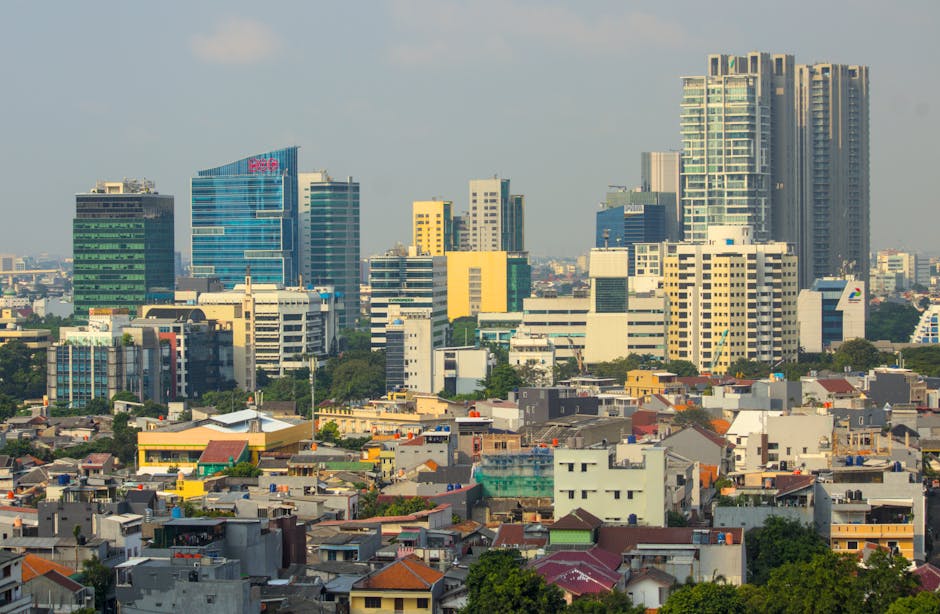
Unlocking Responsive Skincare: Real-Time Routine Adjustment in Southeast Asia’s Urban Climate
Southeast Asia's beauty market—now worth approximately $30 billion—stands at a pivotal juncture. Urban dwellers in Jakarta, Bangkok, and Singapore contend daily with extreme humidity, relentless UV, unpredictable air quality, and temperature swings driven by air conditioning. For AURA’s discerning audience, the challenge is real: oiliness and dehydration coexist, sensitivity erupts alongside breakouts, and premature aging accelerates under tropical sun. Navigating these conflicting skin signals requires more than trend-driven solutions or heavy occlusive Western products; it demands a science-based, data-responsive approach anchored in real-time environmental intelligence and smart formulation logic.
This article explores how API-driven plugins, robust barrier-repair science, and precise environmental mapping are redefining skincare for humid climates. We’ll examine strategies for integrating lightweight sunblock for Southeast Asia, soothing gel for redness and humidity, and repair skin barrier humidity products, and provide actionable recommendations for brands and consumers alike.
Key Trends and Strategies
1. From Static Routines to Dynamic Data-Responsive Systems
Skincare in Southeast Asia is no longer adequately served by the “one routine fits all” model. Instead, the move is toward responsive protocols that adapt to live data—UV index, AQI, temperature, and humidity—sourced from public APIs like OpenWeatherMap and IQAir. This shift empowers users to optimize their regimen in real-time: for example, swapping to the best sunscreen for humid weather or layering an anti aging serum for humid climate based on today’s environmental stressors.
2. Functional Beauty and Barrier Repair as Formulation Standards
Modern Asian skincare brands have embraced ingredients like ceramides, panthenol, niacinamide, and postbiotics—the backbone of “repair skin barrier humidity” approaches. Products are engineered to support skin under stress rather than deliver superficial effects. As noted in industry reviews, this means more breathable layered systems and less reliance on heavy, occlusive formulas.
3. Real-Time Environmental Mapping for Targeted Routine Adjustments
Urban Southeast Asian climates are now quantified minute-by-minute: UV Index often spikes above 11 (“extreme”); AQI reaches hazardous levels during haze seasons; humidity oscillates from 40% (air-conditioned offices) to 85% outdoors. API-powered dashboards translate these readings into actionable skincare steps, guiding users to switch serums for oily dehydrated skin or modify moisturizer layers.
4. Personalization and Clinical Grounding
Consumers increasingly demand routine systemization, transparency, and clinical backing. The rise of “korean japanese skincare tropical skin” is fueled not just by aesthetics, but by formulation intent—products clinically proven to adapt to real-world conditions. This is discussed in depth in growthhq.io’s critical insights.
State and Recommendations for Brands
- Integrate Real-Time Data: Use APIs from WeatherAPI.com or OpenWeatherMap to track local UV, AQI, temperature, and humidity. Build dashboards that connect these readings to skincare recommendations, favoring lightweight sunblock Southeast Asia and soothing gel for redness humidity on high-risk days.
- Formulate for Humidity Cycles: Develop products that balance occlusion and breathability, prioritizing barrier-repair creams and gel-based serums for oily, dehydrated skin. Avoid heavy formulations in humid conditions—highlight the use of “repair skin barrier humidity” science.
- Educate on Dynamic Adjustments: Provide routine menus or app-based recommendations that guide users to adapt serum and moisturizer intensity according to environmental stress. Reference how “anti aging serum humid climate” and “serum for oily dehydrated skin” are more effective when matched to real-time data.
- Segment Solutions: Offer targeted protocols for sensitive/compromised skin, oily-dehydrated types, and early anti-aging users. Address urban-specific challenges like pollution-barrier interactions and humidity paradoxes, as described in clinical insights.
- Bridge Product and Service: Collaborate with clinics and build brand apps to deliver responsive routine adjustments—moving beyond cosmetic fixes to long-term barrier resilience.
Comparison Table: Static vs Responsive Skincare Approaches
| Approach | Heavy Occlusive Western Products | Breathable Layered Systems |
|---|---|---|
| Usage Logic | Static, non-adaptive; heavy creams block moisture but trap humidity | Responsive; layering allows adjustment based on daily conditions |
| Trend-Driven Skincare | Formulation Logic | |
| Decision Making | Follows global trends without real-world relevance | Anchored in local climate, barrier science, and environmental mapping |
| Short-Term Cosmetic Fixes | Long-Term Barrier Resilience | |
| Impact | Provides instant visible results but risks sensitization/congestion | Supports enduring skin health, reduces flare-ups and aging |
Audience Segmentation: Challenges and Opportunities
Climate-Aware Skincare Users
These users are acutely aware of how weather swings affect skin. Their challenge is navigating hours spent outdoors in high UV and pollution, then rebounding in air-conditioned offices.
Opportunities: Real-time dashboards and routine adjustment apps that recommend the best sunscreen humid weather or soothing gel for redness humidity based on current conditions.
Sensitive / Compromised Skin
Prone to flare-ups and barrier disruption from environmental mismatch, this group often over-treats or under-treats. The stakes are higher for long-term damage.
Opportunities: Responsive routines with barrier-repair creams, dynamic serum swaps (niacinamide, postbiotics), and clinic-integrated environmental assessment.
Oily-Dehydrated, Combination, and Reactive Skin Types
Suffer from oiliness, dehydration, and congestion—especially under humidity cycling. Traditional products feel too heavy or ineffective.
Opportunities: Layered gel-based serums, lightweight sunblock Southeast Asia, and hydrating essences that adapt to daily humidity readings.
Early Anti-Aging (25–40)
Facing premature aging from UV and pollution, this segment is motivated by prevention, not just correction.
Opportunities: Anti aging serum humid climate, double-antioxidant layering on extreme UV days, and proactive serum swaps before forecasted haze events.
Urban Southeast Asia
City dwellers struggle with the pollution-barrier interaction and thermal oscillation between outdoors and air conditioning.
Opportunities: Barrier-repair moisturizer after AC exposure, pollution-protective SPF, and API-integrated product menus via native brand apps.
Comparison: Segments and Their Needs
| Segment | Main Challenge | Responsive Solution |
|---|---|---|
| Climate-Aware | Hourly environmental swings | Real-time API-powered routine adjustment, adaptive SPF, hydrating mist |
| Sensitive/Compromised | Barrier disruption from mismatch | Barrier-repair creams, simplified routines, clinical monitoring |
| Oily-Dehydrated/Reactive | Conflicting signals: oiliness with dehydration | Gel-based serums, humidity-controlled moisturizer, niacinamide swaps |
| Early Anti-Aging | Accelerated photoaging and melanin dysregulation | Antioxidant layering, UV-specific serum adjustment, forecast-driven protocol |
| Urban Dwellers | Pollution + thermal stress (AC/outdoor) | Pollution-protective SPF, barrier repair post-AC, API-based clinic routine |
“Responsive skincare is not just a technology shift—it is a fundamental change in how we understand and protect our skin. Instead of static routines, Southeast Asia’s urban users can now use real-time environmental data to adapt, preempt, and heal, transforming frustration into resilience.”
Strategic Conclusion and What’s Next
For AURA’s audience—those who demand clarity, clinical logic, and seamless systemization—the future of skincare is poised for transformation. The infrastructure now exists: APIs provide real-time UV, AQI, temperature, and humidity; barrier-repair science has matured; and brands are beginning to offer dashboards and app-based routine recommendations. The strategic importance is evident: implementing responsive, data-driven routines not only minimizes frustration but delivers measurable benefits in skin resilience and aging prevention.
Brands that embrace this new paradigm—offering lightweight sunblock Southeast Asia, soothing gel for redness humidity, repair skin barrier humidity, and anti aging serum humid climate, all mapped to real-time conditions—will lead the market. Consumers who transition from static to responsive routines will gain confidence, reduce trial and error, and build skin health that withstands Southeast Asia’s unique environmental challenges.
Looking ahead, expect rapid evolution: more clinics and apps integrating environmental data, wider adoption of climate-adaptive formulations, and robust partnerships between technology platforms and skincare brands. The question is not if real-time skincare adjustment will become standard, but how quickly the region’s beauty leaders—and their communities—will embrace and refine it.
Discover deeper insights on tropical skincare here.
Learn about organic beauty trends in Southeast Asia.
Explore the evolution of K-Beauty in Southeast Asia.