
Unlocking 50% Profit Gains: How Vietnam, Indonesia, Thailand, And Malaysias Smallholder Coffee Growers Can Thrive With ZUS Coffees Tech-Driven Supply Chain In 2026
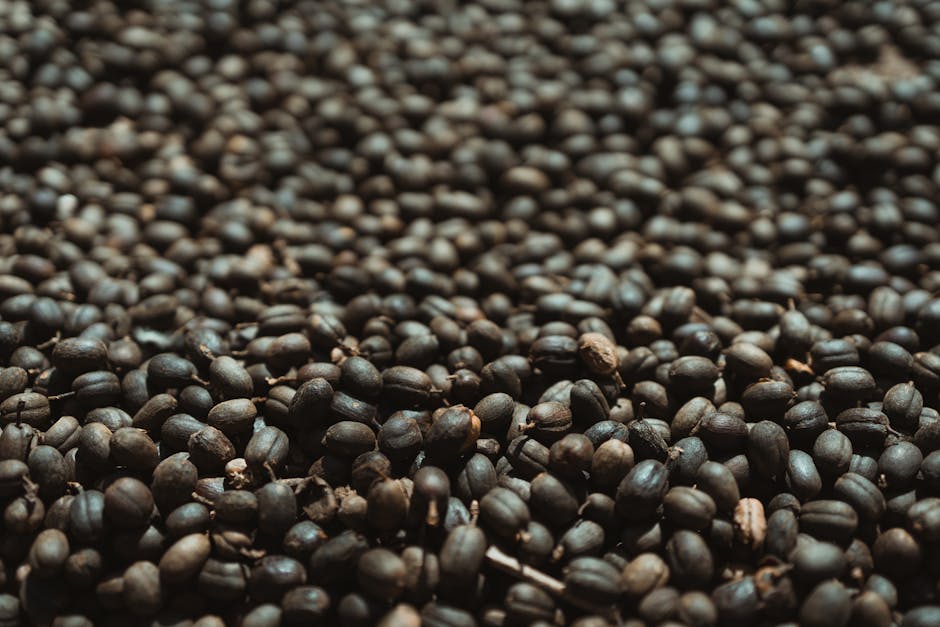
Rewiring Southeast Asia’s Coffee Value Chain: How Tech Platforms Like ZUS Coffee Unlock Sustainable Profits for Smallholder Growers
In the lush hills and valleys of Southeast Asia, coffee has long been more than just an export. It’s a lifeline for millions of smallholder farmers, from Vietnam’s highland villages to Indonesia’s tropical archipelagos. Yet, despite global cravings for their beans, these farmers have endured a legacy of volatile prices, opaque trading chains, and slim margins. In 2024, Vietnamese exports soared to $5.48 billion—a 29% jump—even as harvest volumes dropped 18%. Such paradoxes underscore a market in churn, shaped by climate shocks, shifting consumer tastes, and the relentless pursuit of premium quality. Now, fueled by technology, platforms like ZUS Coffee are rewriting the rules, empowering smallholders to claim a fairer share—and reshaping the region’s coffee narrative for the 2030s and beyond.
The New Dawn: From Commodity Chaos to Premium Clarity
Legacy Volatility and Emerging Opportunity: For decades, Southeast Asia’s smallholders, who produce between 70% and 90% of the region’s coffee, have found themselves trapped at the lower rungs of the global supply chain. They often sell at farm-gate prices below $2,000 per tonne, while intermediaries and exporters pocket the bulk of the profits. This dynamic grew even starker in 2024, as climate disruptions in Brazil and Indonesia triggered global shortages, sending average prices in Vietnam up nearly 57%—peaking at $5,720 per tonne—while overall yields shrank.
Premiumization and Market Shift: The years ahead promise a profound shift. A burgeoning middle class and rising demand for flavored, specialty, and ethically sourced coffee are transforming the region’s value landscape. The Southeast Asia flavored coffee market is forecasted to reach US$451.3 million by 2032, growing at a robust 12.3% CAGR from 2026 onwards. Thailand dominates flavored coffee, while Vietnam is fastest-growing, with sustainable and single-origin products in the spotlight. Consumption is set to surpass 640 million kilograms by end-2025, with tea cultures steadily pivoting toward coffee, driven by local roasters and international chains.
Margin Expansion through Certification: Premium segments—supported by certifications like organic (global market rising at 9.3% CAGR) and traceability—offer prices 2 to 3 times higher, with margins of 25–40%. Alibaba data reflects this trend: coffee bean buyer inquiries in the region rose 27.88% year-on-year, highlighting growing B2B demand for specialty beans over commodity volume.
Storytelling in Data: Contrasts Between Old and New Supply Chain Models
The Commodity Trap: Traditional commodity chains for coffee in Southeast Asia are transactional and opaque. Margins are thin (typically 5–10%), risks are high, and smallholders have little leverage, with prices swinging wildly between $2,000 and $3,000 per tonne. Weather volatility, speculative trading, and intermediary dominance consistently squeeze producers. Many sell blind—unaware of market demand, quality standards, or potential buyers.
The Premium/Tech-Driven Path: In contrast, tech-driven supply chains like ZUS Coffee’s model offer clarity, partnership, and value. Using blockchain, AI grading, and direct buyer marketplaces, these platforms deliver stable prices ($4,000–$6,000 per tonne), higher margins (up to 40%), and foster relationships anchored in ethics and transparency. Specialty buyers prioritize traceability, sustainability, and unique origin stories, rewarding disciplined sourcing and quality upgrades.
Comparative Table:
| Metric | Commodity Coffee | Premium/Specialty Coffee | Regional Impact (2024–2026) |
|---|---|---|---|
| Price/Tonne | $2,000–3,000 (volatile) | $4,000–6,000 (stable) | Vietnam: +56.9% YoY to $4,151 |
| Margins | 5–10% | 25–40% | Flavored market: 12.3% CAGR |
| Buyers | Transactional | Partnership-based | +27.88% inquiries |
| Demand Driver | Volume | Ethics/Traceability | Consumption >640M kg |
Inside ZUS Coffee: Disruptive Tech, Real-World Outcomes
Blockchain Traceability: The ZUS Trace App delivers end-to-end farm-to-cup tracking, empowering smallholders to earn certifications that lift prices by 20–50%. This granular visibility appeals to buyers in US, EU, and Asia seeking ethical, single-origin beans—enabling farmers to tap premium markets and negotiate from a position of knowledge.
AI Quality Grading: With the AI Quality Scanner, beans are scored objectively on defects, moisture, and cup profile, targeting specialty thresholds (80+ SCA score). This tool helps farmers upgrade crop quality, secure premium contracts, and reduce subjective rejection by buyers.
Direct-Buyer Marketplace: ZUS’s marketplace connects smallholders directly to roasters and exporters, bypassing traditional middlemen and boosting farm-gate prices by 15–25%. This approach democratizes access, accelerates contract closure, and ensures that quality, not volume, drives pricing.
Predictive Analytics for Risk Management: Integrating global futures and weather data, ZUS’s dashboard forecasts price trends—crucial in the volatile 2026 market. Smallholders can plan harvests, negotiate contracts, and hedge against supply shocks.
Reducing Post-Harvest Losses and Access to Finance: Smart drying technology cuts typical losses (10–20%), while financing is unlocked via verified output sales, reducing dependency on costly moneylenders.
Documented Impact: Early adopters in Vietnam and Indonesia report profit gains of 35%. For instance, Vietnamese farmers using ZUS tools have shifted from commodity Robusta ($1,500–2,500 per tonne) to premium blends, uploading harvest data to secure contracts at $4,000+ per tonne and boosting incomes by 40%—all underpinned by traceability and certification. (source)
Regional Deep Dive: Opportunities and Challenges
Vietnam: Export Powerhouse Meets Fastest-Growing Flavored Market
Strategic Pivot: Vietnam stands at the crossroads. Despite an 18.8% drop in export volume, value surged 29.11%. Smallholders (90% of production) typically earn $1,500–2,500/tonne, but tech-driven upgrades are opening the door to specialty Arabica/Robusta blends and export certifications targeting a $100B global market.
Actionable Levers: Integration of ZUS Trace for compliance with Ministry of Agriculture and Rural Development (MARD) requirements, plus organic certification, is recommended. By uploading harvest and quality data to ZUS, farmers secure higher-value contracts, transforming livelihoods and enabling participation in the regional flavored coffee boom (12.3% CAGR).
Outcome: Profit lift of 40% through direct access to specialty contracts and reduced losses, positioning Vietnam to lead the premiumization wave. (source)
Indonesia: From Climate Shock to Specialty Opportunity
Supply Pressure: Indonesia’s coffee sector faces climate-induced shortages, raising local prices and spurring global demand for its diverse bean origins (Sumatra, Java). Traditionally, smallholders bear the brunt of fluctuating income (30%+ median cost), but the specialty shift is accelerating.
ZUS-Driven Solutions: Localized logistics, traceability, and AI grading allow farmers to capture ethical sourcing premiums via fair-trade labels and high-margin buyers in North America and the EU. Logistics costs drop by 25%, and profits can double with traceability, paralleling Vietnam’s trajectory.
Market Trends: A surge in buyer inquiries (+27.88% YoY) signals robust demand for local, sustainable coffee—cementing Indonesia’s status as a specialty origin. (source)
Thailand: Flavored Coffee Leader and RTD Innovator
Market Leadership: Thailand commands the largest share of Southeast Asia’s flavored coffee segment, valued at US$200.3 million in 2025. Young consumers drive a boom in cold and ready-to-drink (RTD) formats, pushing overall consumption growth.
Smallholder Upside: ZUS marketplace tools allow artisanal producers to reach premium buyers, harnessing predictive analytics to negotiate RTD contracts and focus on low-sugar functionals, elevating margins by 25%.
Forward-Looking Moves: With disposable incomes rising and local roasters thriving, Thailand is set to maintain momentum, especially as consumption crosses 640 million kg region-wide by 2026. (source)
Malaysia: Emerging Specialty Hub with Ethical Focus
Transformation Narrative: Malaysia is rapidly evolving, led by discerning buyers who value ethics, diversity, and unique origin stories. The ZUS platform enables smallholders to showcase their heritage and capture sustainable premiums.
Operational Impact: Specialty coffee is becoming affordable, accounting for less than 30% of median income, with demand for mocktails and single-origin blends on the rise. Blockchain-powered partnerships bring stability and high margins, helping producers weather volatility. (source)
Comparative Perspectives: Strategic Choices for Stakeholders
Conventional Wisdom vs. Innovative Practice: Historically, smallholders were advised to maximize volume and minimize risk by selling early—often at the mercy of intermediaries. Today, the conversation is different: strategic integration of tech platforms, quality improvement, and direct partnership are seen as keys to resilience and prosperity. While some traditionalists caution against rapid tech adoption (citing digital literacy rates of only 20% among smallholders), pilot studies reveal that collective training and cooperative approaches can lift digital adoption by 50%.
Buyer's Lens: Specialty buyers—both local and international—now prioritize traceability, ethics, and differentiated flavor profiles. This trend is supported by a 27.88% year-on-year rise in buyer inquiries, pointing to a fundamental shift from commodity bulk purchasing to value-based partnerships.
Policy and Finance View: Governments and financial institutions are increasingly supportive, seeing tech-driven transparency as a means to stabilize rural incomes, promote organic conversion, and prepare for persistent climate volatility.
“By 2030, Southeast Asia’s smallholder coffee growers who embrace blockchain traceability, AI grading, and direct marketplaces will capture the lion’s share of new profits—turning volatility into opportunity as global demand converges on quality, ethics, and origin.”
Real-World Implications: Beyond Pricing to Community Impact
Economic Empowerment: When smallholders integrate tech-driven models like ZUS Coffee, the result is not just higher prices—it’s fundamentally improved livelihoods. Farmers who once endured post-harvest losses of up to 20% now retain more of their output, access capital on favorable terms, and participate in value-based trade.
Social Cohesion: Cooperative adoption accelerates training and digital literacy, creating ripple effects in rural communities. Tech tools are not just economic assets—they foster trust, transparency, and group bargaining power.
Environmental Stewardship: Traceability and certification also drive sustainable practices, as market incentives reward ethical and organic production. With global organic coffee demand rising at 9.3% CAGR through 2030, Southeast Asia’s growers are positioned to lead the green transition.
Global Market Integration: By accessing the ZUS platform, farmers are exposed to US/EU buyers seeking ethical, single-origin beans, breaking free from dependency on volatile local markets. This strategic global engagement is essential as the flavored coffee segment alone approaches US$451.3 million by 2032.
Tactical Recommendations for Smallholder Success
Adopt Traceability Tech: Reducing losses by 15% and earning price premiums of 30% is possible with blockchain-enabled tracking. Vietnamese farmers using ZUS Trace average $4,151 per tonne—outperforming commodity baselines.
Upgrade Quality: AI tools for SCA 80+ scores unlock access to the fastest-growing segments: flavored and organic coffee, both rising at double-digit CAGRs.
Direct Market Access: Bypassing intermediaries delivers 15–25% higher farm-gate prices and leverages surging buyer demand as reflected in Alibaba’s 27.88% inquiry growth.
Manage Risk: Predictive dashboards help hedge against price volatility and climate shocks—critical for the uncertain conditions anticipated in 2026.
Scale via Partnerships: Financing is unlocked via verified sales, and group adoption prepares smallholders for the region’s consumption wave (640M kg by 2026).
| Action | Tool | Projected Profit Lift | Key Countries |
|---|---|---|---|
| Traceability | ZUS Trace App | +20–40% | Vietnam, Indonesia |
| Grading | AI Scanner | +25% premiums | Thailand, Malaysia |
| Sales | Marketplace | +15–25% farm-gate | All |
| Forecasting | Dashboard | Volatility hedge | Region-wide |
Barriers and Solutions: While challenges—including limited tech access and climate volatility—persist, mitigation strategies such as ZUS-led digital training and cooperative models are proving highly effective. E-commerce channels and online retail are amplifying reach, drawing more smallholders into the premium fold.
Blue-Ocean Profits: Southeast Asia’s Path to 2030
Market Expansion: By 2032, the flavored coffee market will cross $451.3M, and smallholders leveraging ZUS and similar platforms will capture high, stable margins in a $100B+ global arena. The confluence of rising consumer sophistication, climate-driven supply shortages, and digital innovation is creating unprecedented opportunity for those positioned with traceability, quality, and ethical provenance.
Strategic Imperative: For business leaders, cooperatives, and policy makers in Southeast Asia, the call is clear: pilot and scale tech-driven supply chain tools today. Early adoption ensures resilience amid market volatility, secures access to high-value buyers, and sets the region’s coffee sector on a sustainable trajectory for the 2030s.
Discover More: For in-depth analysis and platform demos, explore GrowthHQ’s case study on ZUS Coffee’s localized supply chain disruption (view here).
Conclusion: The Strategic Future—Action Needed Now
Southeast Asia’s coffee value chain is at a historic inflection point. No longer bound by commodity price traps or opaque intermediaries, smallholder growers can now leverage technology to assert control, capture higher margins, and build lasting partnerships. The wave of premiumization, fueled by traceability, AI grading, and direct market access, is as much social as it is economic: it empowers rural communities, rewards sustainable practices, and aligns with the ethical preferences of a new global consumer class.
As the region’s flavored coffee market accelerates toward $451.3M by 2032, and global specialty demand crosses $100B, the strategic imperative is unmistakable. Adopt, integrate, and scale tech-driven models like ZUS Coffee—because the future belongs to those who transform volatility into advantage, and commodity into connoisseurship. Investment in digital literacy, cooperative structures, and certification is no longer optional; it is the very foundation of Southeast Asia’s coffee renaissance, promising prosperity for millions and a stronger, more sustainable regional economy.