
Unlocking Adaptive Skincare In Singapore & Kuala Lumpur: How Linking Shopee, Lazada, And Pharmacy Apps Builds Smarter Routines For Humid Climates
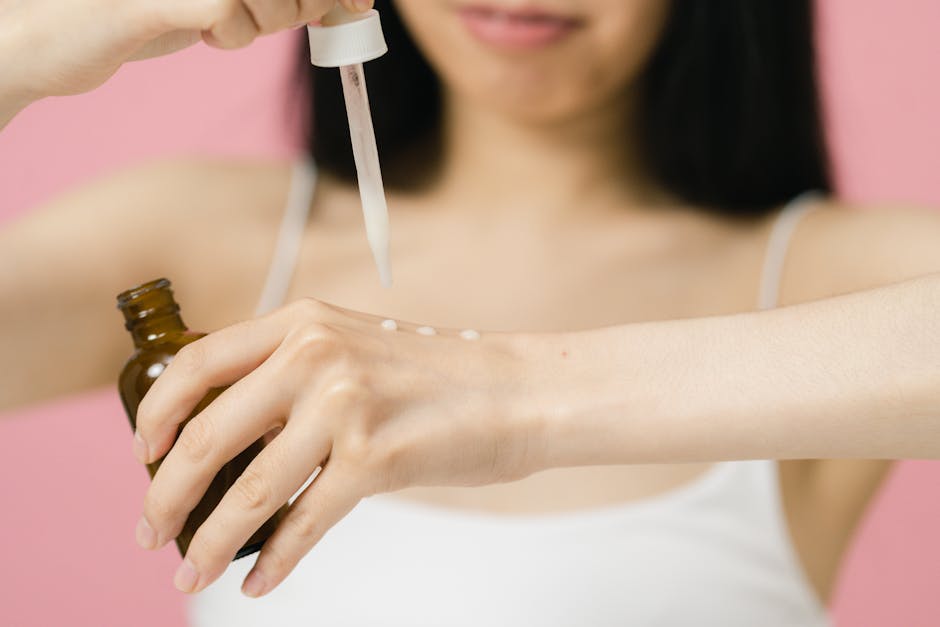
Unlocking Data-Driven Skincare Rewards: Integrating Shopee, Lazada, and Pharmacy Apps for Adaptive Routines in Southeast Asia
In Singapore and Kuala Lumpur’s relentless humidity, high UV index, and urban pollution, skincare routines are tested to their limits. Despite a wealth of products and digitally-connected retail, consumers remain frustrated by confusing skin signals—oiliness and dehydration, reactivity and breakouts, pigmentation and premature aging. The rise of climate-aware skincare users is matched only by the prevalence of fragmented routines, as purchases scatter across Shopee, Lazada, and pharmacy apps.
In this landscape, the need for clinically driven, digitally integrated systems is urgent. Skincare for humid climates, the best sunscreen for humid weather, lightweight sunblock for Southeast Asia, soothing gels for redness in humidity, and smart repair solutions for skin barriers are not just market trends—they are survival strategies. Brands demonstrating formulation intent—especially those versed in Korean and Japanese skincare for tropical skin, or offering targeted serum for oily, dehydrated skin and anti-aging serum for humid climates—are leading a paradigm shift. This article explores how linking marketplace and pharmacy data can transform skincare rewards, streamline routines, and radically improve skin health for Southeast Asia’s discerning, climate-aware audience.
Key Trends and Strategies
Fragmented Digital Ecosystems: The Routine Reality
Today’s urban skincare user in Singapore or Kuala Lumpur typically toggles between Shopee/Lazada flash deals for trending actives, and pharmacy apps (Watsons, Guardian, Caring, Unity) for “trusted basics” like cleansers, sunscreen, or soothing gel for redness and humidity. This fragmentation means loyalty points and product histories are scattered, missing the systemic insight needed for sustained skin health (CNA Lifestyle, V10 Plus).
Climate-Driven Skin Challenges Demand Smarter Formulations
Conventional Western skincare—often heavy, occlusive, or overly “oil-controlling”—struggles in Southeast Asia’s tropical climate. High humidity alters how products interact with skin, pushing for lightweight layered approaches: gel cleansers, non-comedogenic moisturisers, humectant serums for oily dehydrated skin, and gel-format sunscreen for humid weather (Dewha).
Korean and Japanese skincare for tropical skin has gained ground with breathable, layered systems focusing on hydration and barrier support—especially niacinamide, ceramides, and hyaluronic acid. The best sunscreen for humid climates and anti-aging serums designed for humid weather are winning trust by offering efficacy without congestion.
From Trend-Driven Impulse Buys to Formulation Literacy
Impulse-driven routines, powered by flash sales and influencer trends, frequently result in over-cleansing, over-exfoliation, and layering incompatible actives—leading to barrier compromise, more breakouts, and pigmentation, especially in melanin-rich skin (Clinikally).
A shift is underway toward data-driven, evidence-based routines. Digitally savvy platforms now have the potential—if not yet the practice—to unify purchase data, ingredient logic, and climate context, moving rewards from mindless consumption toward barrier resilience and routine stability.
Personalized, Adaptive Rewards—The Missing Link
Globally, fitness and finance apps reward consistency and intelligent choices. The skincare sector, however, still incentivizes frequent or high-basket spend, not clinical outcome or routine coherence. AURA-style systems aim to change this: connecting Shopee, Lazada, and pharmacy purchase data to reward replenishment of sunscreen for humid weather, loyalty to hydration and barrier repair steps, and avoidance of risky active stacking (iShopChangi).
State and Recommendations
- Integrate Account Linking with Consent
Establish partnerships to securely link Shopee, Lazada, and pharmacy app accounts. This enables unified routine mapping and smarter, context-aware recommendations that reflect real-world behaviour, not self-reported skin type. - Invest in Ingredient-Level Intelligence
Employ AI or rules engines to cross-reference ingredients across user purchases. Flag potential over-exfoliation, duplication of actives, and offer educational nudges towards routine balance, especially for sensitive/compromised or oily-dehydrated profiles (NCBI). - Design Climate-Resilient Rewards
Move away from traditional spend-driven rewards. Tie incentives to best sunscreen repurchase intervals, consistent moisturiser and soothing gel intake, avoidance of routine “noise,” and adherence to lightweight, breathable, humidity-appropriate formulations. - Segment and Personalize for Key User Types
Develop reward and education structures for:- Climate-aware users: Highlight lightweight sunblock for Southeast Asia and adaptive routines for shifting indoor/outdoor exposure.
- Sensitive/compromised skin: Focus on repair skin barrier in humidity, gentle cleansing, and prompt for barrier-first choices after pattern detection of irritation or flare cycles.
- Oily-dehydrated, combination, and reactive skin: Incentivize rebuilding hydration and barrier layers, prioritizing serum for oily dehydrated skin, and warn against stacking multiple strong treatments.
- Early anti-aging (25–40): Promote anti-aging serum for humid climate, targeted retinoid introductions, and SPF compliance, while monitoring for excessive routine churn.
- Provide Timeline and “Routine Noise” Visualisation
Offer users a consolidated timeline of purchases, flare episodes, and product transitions, allowing correlation of calm periods with simpler, coherent routines—empowering smarter, less impulsive spend. - Collaborate with Dermatologists and Clinical Voices
Ground recommendations in regional dermatology expertise, ensuring alignment with best practices for melanin-rich, humidity-exposed, and pollution-stressed skin.
Comparison Table: Strategic Paradigms in Humid Climate Skincare
| Heavy Occlusive Western Products | Breathable Layered Systems | Trend-Driven Skincare | Formulation Logic | Short-term Cosmetic Fixes | Long-term Barrier Resilience | |
|---|---|---|---|---|---|---|
| Climate Fit | Often suffocating in humidity; can clog pores | Optimized for high humidity; supports daily function (V10 Plus) | Chases seasonal fads; not climate-adapted | Prioritizes lightweight hydration, SPF, barrier repair | Immediate matte/glow effect fades quickly | Reduces flares, PIH, and instability over time |
| Barrier Health | Can disrupt oil-water balance | Preserves lipid and water content; minimal irritation | High risk of over-exfoliation and barrier damage | Stacks actives for synergy, not redundancy | Repeated irritation, sensitivity risk | Restores resilience, reduces product dependency |
| Reward Structure | Volume-driven; little personalisation | Potential for behaviour-based, adaptive rewards | Discounts for viral products, not systems | Encourages stability, ingredient diversity | Encourages product churn, increased spend | Rewards for sustained SPF, hydration, routine anchors |
Audience Segmentation, Challenges, and Opportunities
Climate-Aware Skincare Users
Challenges: Navigating marketing overload, choosing between Western and K-/J-beauty philosophies, balancing oil and hydration in real-world humidity.
Opportunities: Using data-linked accounts to automate product choice for lightweight sunblock for Southeast Asia, serum for oily dehydrated skin, and routine anchors; transitioning to systems thinking.
Sensitive / Compromised Skin
Challenges: Prone to irritation with each impulse “active” or harsh cleanser; sunstressed, barrier-weakened skin.
Opportunities: Reward structures tied to repair skin barrier in humidity, with conditional discounts for soothing gel for redness and humidity, or ceramide-rich moisturisers after episodes of routine churn/damage.
Oily-Dehydrated, Combination, and Reactive Skin Types
Challenges: Simultaneous shine and tightness; congestion from heavy formulas, or dehydration from over-cleansing.
Opportunities: Algorithmic alerts for risky combinations, prompts to repurchase lightweight hydration, and rewards linked to routine stability, rather than trend stacking.
Early Anti-Aging (25–40) in Urban Southeast Asia
Challenges: Premature aging under constant UV, pigment flares, and confusion between preventative actives and harsh treatments.
Opportunities: Targeted, climate-aware approaches: best sunscreen for humid weather, anti-aging serum for humid climate, and education on integrating retinoids cautiously within a humid skin barrier context.
Segment Comparison
- All groups benefit from routine integration and data-driven rewards; pain points shift from congestion and flare management (oily/dehydrated, sensitive) to long-term resilience and anti-aging compliance (urban professionals).
- Climate-aware segmentation enables more precise product and education delivery—aligning spend, reward, and skin outcomes.
“The leap in Southeast Asia’s skin health will not come from a single breakthrough ingredient, but from integrating what we already buy and experience into routines that are clinically grounded, climate-fit, and digitally adaptive.”
Conclusion: Strategic Importance and What’s Next
Leveraging Shopee, Lazada, and pharmacy app linkages is not merely a technical upgrade—it represents a strategic reorientation toward skin health, routine clarity, and digital-physical integration. For firms, the imperative is to systematize rewards that reinforce barrier-first, climate-relevant behaviour: championing the best sunscreen for humid weather, serum for oily dehydrated skin, and lightweight, breathable hydration as pillars of routine. Consumers, in turn, gain confidence, less routine noise, and measurable skin stability.
As ecosystem maturity advances, expect dynamic “skin graphs,” ingredient interaction warnings, and routine-based incentives to become the new standard—especially as formulation-literate brands and AURA-style systems coalesce around the unique demands of urban Southeast Asian skin.
In the coming years, brands that deploy structured, climate- and barrier-aware personalisation—grounded in real-world purchase data and regional dermatological logic—will win both trust and loyalty. The message for users: embrace systems, not single saviours. Skincare for humid climates is finally catching up to the complexity of your skin life.