
Unlocking Growth: How Digital Loyalty Programs Are Revolutionizing Malaysias Cafe Industry In 2024 And Beyond
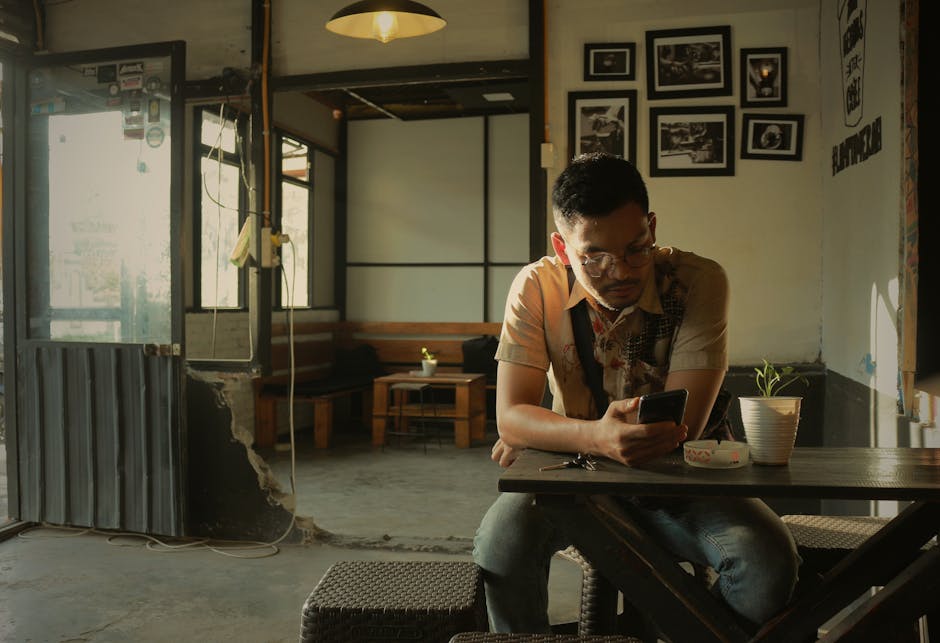
The Digital Loyalty Revolution Brewing in Malaysia’s Cafe Scene
In the heart of Malaysia’s bustling urban centers and thriving neighborhoods, a quiet yet powerful revolution is reshaping how cafes and their patrons interact. Digital loyalty programs—once a value-added afterthought—are now at the forefront of customer engagement strategy for Malaysian cafes, fueled by technology adoption, shifting consumer expectations, and the fierce competition brewing among food and beverage operators. This exposé delves into how loyalty apps are redefining the nation’s cafe landscape, spotlighting real-world examples, market data, and forward-looking trends that both entrepreneurs and strategists can no longer afford to ignore.
The Rise of Digital Loyalty: Malaysia’s Market in Focus
Historical Roots and Modern Shifts:
For decades, Malaysia’s cafe culture has been intertwined with face-to-face connections, handwritten punch cards, and personal touches. However, the post-pandemic acceleration of digital transformation—coupled with a surge in smartphone adoption—has rapidly pushed digital loyalty programs from novelty to necessity. Today, Malaysia's loyalty program market is projected to reach a staggering US$1.02 billion by 2028, up from US$720.9 million in 2024, reflecting a sustained appetite for personalized, technology-driven engagement. This is closely linked with the growth in the number of cafes and bars, which is set to climb from 4,780 in 2023 to 5,540 by 2026, indicating broader opportunity for brands to tap into new customer bases and unlock repeat business.
Unpacking the Numbers:
With a projected CAGR of 9.3% through 2028, loyalty innovation is not just a trend—it is becoming a business-critical imperative for cafes vying for relevance and profitability.
Patterns and Paradigm Shifts: Cafes Embrace Loyalty Tech
From Paper to Platform:
The shift from physical stamp cards to digital platforms represents more than an operational upgrade—it is a reimagining of guest experience. Brands like Tealive, Malaysia’s largest bubble tea chain, and disruptors like MyBurgerLab have led this transition, using their apps not merely as transaction trackers but as engines for engagement, storytelling, and direct marketing.
Data-Driven Engagement:
Loyalty apps allow cafes to collect actionable data—purchase history, visit frequency, and even taste preferences—enabling hyper-personalized offers. The result? Measurable increases in repeat visits and a reduction in customer acquisition costs, as customer retention becomes both more predictable and more profitable.
Innovation in Action: Case Studies from Malaysia’s Cafe Frontlines
Tealive’s Loyalty App:
Tealive’s digital rewards program is a textbook example of how a cafe can turn casual sippers into loyal evangelists. The app provides instant points for purchases, exclusive birthday treats, and time-limited offers, all delivered through a streamlined digital interface. This has significantly increased member frequency and unlocked new cross-promotion opportunities.
Coffee Bean & Tea Leaf Malaysia:
Their app doesn’t just reward; it informs. By leveraging push notifications, location-based promotions, and member-only events, Coffee Bean personalizes their approach, ensuring each customer feels valued while gathering data to fine-tune product launches and service improvements.
MyBurgerLab’s Gamified Loyalty:
Gamification is another innovative angle, as seen in MyBurgerLab’s app, which assigns challenges and badges to customers, transforming routine visits into playful adventures. This gamified approach fosters emotional connection and drives word-of-mouth.
Operational Implications: What Loyalty Means for Malaysian Cafes
Lowering Customer Acquisition Costs and Boosting Retention:
Historically, attracting new customers in the competitive F&B market often meant expensive advertising campaigns and discounts. With loyalty apps, however, cafes can redirect resources towards nurturing existing customers—who are not only more profitable but also likely to become advocates. Repeat visit rates, as evidenced in Malaysian cafe case studies, have improved substantially with well-executed loyalty programs (source).
Streamlining Operations and Driving Insights:
A less visible but equally crucial benefit is operational efficiency. Digital apps automate points management, redemption, and promotional tracking, freeing staff to focus on customer service. They also supply management teams with granular insights for inventory, staffing, and menu strategies.
Comparative Perspectives: Newcomers vs. Established Players
Leveling the Playing Field:
While global brands often have the budget and infrastructure for advanced loyalty technology, Malaysia’s cafe scene is distinguished by its vibrant mix of local independents and emerging chains. Loyalty app providers have begun to offer off-the-shelf solutions tailored for smaller businesses, lowering the barrier to entry.
Startups’ Agility: Newcomers are often nimbler—more willing to experiment with gamification and micro-incentives. Established players, meanwhile, leverage their larger customer bases and data troves to roll out sophisticated, AI-driven segmentation. Both approaches have merit, but in Malaysia’s fragmented F&B market, innovation often comes from the ground up.
Differentiating for the Malaysian Market: What works in metropolitan Kuala Lumpur may not resonate in rural Johor. Localization—language, payment options, cultural touchpoints—is key. Unlike Western programs that may reward high spend, Malaysian cafes often see success with frequency-based rewards and “surprise and delight” tactics rooted in local traditions.
Strategic Challenges and Limitations
Integration and Cost Complexity:
Selecting the right loyalty technology is not without challenge. The market offers a bewildering array of platforms, from free plug-and-play apps to custom enterprise solutions. Costs, features, and integration complexity vary widely, and the lack of detailed technology cost benchmarks (see source) means decisions must be made carefully, often with incomplete information.
Data Privacy and Security:
As loyalty programs amass detailed customer profiles, data privacy becomes a front-and-center concern. Cafes must navigate Malaysia’s legal requirements and build explicit trust with their users—missteps can erode brand equity faster than outdated technology.
Scaling Beyond Urban Centers:
Digital loyalty’s reach is not yet universal. Rural consumers may lack reliable internet or payment infrastructure, requiring hybrid approaches and flexible incentives until digital divides close.
Forward-Thinking Practices: The Road Ahead
Personalization at Scale:
The next frontier lies in predictive analytics, allowing cafes to anticipate needs—suggesting the next drink before a customer even orders, offering precisely timed push offers when loyalty points are about to expire, or identifying “at-risk” customers who haven’t visited in weeks.
Partners and Ecosystems:
Strategic partnerships between loyalty platforms and third-party apps (delivery, e-wallets) are on the rise in Malaysia, creating interconnected ecosystems where points can be earned or spent across brands. Such moves shift loyalty from a solo to a collective game, increasing stickiness and value.
Social and Sustainability Integration:
Younger consumers, especially Gen Z, increasingly expect loyalty programs that align with values—offering eco-incentives (e.g., discounts for reusable cups) or contributions to social causes as part of their rewards. This redefines loyalty, making it as much about purpose as perks.
In the rapidly evolving Malaysian cafe market, those who treat digital loyalty as a journey—rooted in authentic connection, data-driven insight, and continual innovation—will not only retain customers but set the agenda for a new era of hospitality.
Conclusion: The Strategic Imperative of Loyalty in Malaysia’s Cafe Renaissance
Malaysia’s cafe sector stands at a crossroads: Those who cling to transactional models risk irrelevance, while those who invest in robust, creative digital loyalty programs position themselves as leaders in a highly lucrative, growing market. As repeat visits become the ultimate currency and competition intensifies across 5,500+ outlets, the ability to personalize, automate, and surprise will spell the difference between merely surviving and thriving. The future—where loyalty is both data-fueled and delight-driven—belongs to those cafes that don’t just adopt technology, but wield it as a tool for meaningful, enduring relationships.
The call to action is clear: Strategic investment in digital loyalty is no longer optional. It is the new baseline for any cafe aspiring to capture Malaysia’s fast-evolving, increasingly digital, and deeply people-oriented market.