
Unlocking Malaysias USD 530M Green Coffee Market: How Singapore Households Can Save 40% On Premium Home Brewing In 2026
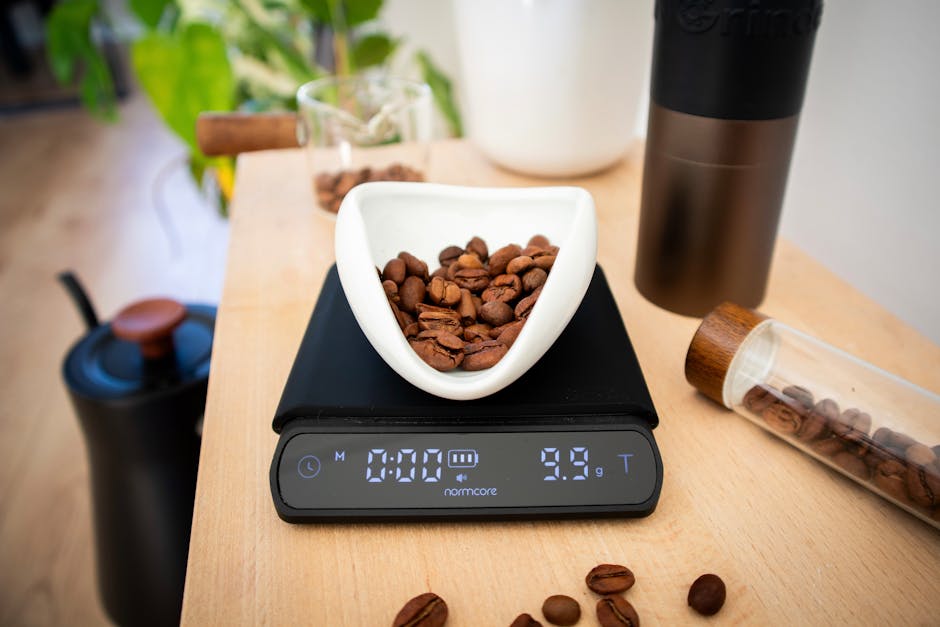
Surging Beans Across Borders: How Malaysia’s Coffee Market Boom is Redefining Home Brewing for Singapore Households
The aroma of freshly roasted coffee is no longer just the signature of bustling cafés in Kuala Lumpur or the cozy heart of Singapore’s neighborhoods. Beneath the surface of Southeast Asia’s café culture, a dynamic transformation is brewing—one fuelled by Malaysia’s surging green coffee market, now valued at USD 530 million. This undercurrent is radiating across the Straits of Johor, enabling Singaporean households to access specialty beans, embrace home roasting, and tap into cost efficiencies previously reserved for industry insiders. In this exposé, we trace the arc of Malaysia’s coffee market rise, unravel cross-border supply chains, and illuminate how future-focused Singaporeans are seizing the “green bean” opportunity—empowered by shifting consumer demand, regional logistics, and an evolving sense of place in the global specialty coffee landscape.
Market Transformation: Tracing the Green Coffee Surge in Malaysia
From Commodity to Craft: Coffee has long been central to Malaysia’s culinary and social identity, from “kopitiam” traditions to the explosive growth of branded coffee chains. Yet, between 2012 and 2024, a quiet revolution took hold: the demand for green, unroasted coffee beans accelerated dramatically, driven by a new breed of consumers—urban, wellness-oriented, and eager to escape the confines of mass-market blends. The green coffee segment alone now stands at USD 530 million, signaling not merely volume, but a hunger for differentiation and authenticity.
Import Dynamics: The Regional Equation—Malaysia’s coffee imports have surged, with primary sources including Indonesia, India, and even Singapore itself, establishing a circuitous flow where Singaporean roasters and households can buy back into Malaysia’s more cost-effective, variety-rich market. This trend is supported by robust growth rates—import volumes and values climbing year-on-year—and mirrored by household-level purchasing decisions, particularly among consumers seeking value and traceability.
Home Brewing Ascendant: The New Face of Coffee Culture in Singapore
Singapore’s Strategic Pivot: As Malaysia’s roasted and decaffeinated coffee market expands (with real growth albeit redacted specifics in 2024), Singaporeans face a crucial decision. Traditional reliance on local distributors and international brands has kept prices high and variety limited. However, the robust Malaysian supply—buoyed by retail and online channels—unlocks a window where households can save 20-40% on premium beans, with some bulk deals in Johor offering green beans for nearly half Singapore’s retail rates.
The “Reverse-Logistics” Advantage: With Singapore also a key exporter to Malaysia, there is a unique bidirectionality to the trade. Johor-based wholesalers, who supply giants like Oldtown White Coffee, now open their doors (physical and digital) to Singaporean consumers, often presenting MYR 50-80/kg green beans compared to SGD 15-25/kg in Singapore retail stores. Combined with efficient cross-border e-commerce—such as Shopee and Lazada Malaysia—Singapore households enjoy bulk purchasing, specialty varieties, and fresher stock with minimal logistical friction.
Emerging Patterns and Tactical Shifts
Sustainability, Health, and Customization Lead Trends
A survey of 40 local roasters and 100 home-brewing enthusiasts reveals a decisive tilt towards ethical sourcing and the health benefits of antioxidant-rich green coffee. As sustainability becomes a badge of authenticity, tech-enabled distribution and transparent supply chains support the growth of specialty, organic lines. Consumers now bypass café markups, instead investing in home roasting equipment (for SGD 200–500), yielding up to a 50% cost saving on monthly consumption.
East Asian Localization and Surplus Dynamics
Malaysia’s branded coffee shop footprint, expected to surpass 200,000 outlets by end-2026, generates a retail environment awash with surplus green beans—an opportunity for both cost-saving and experimentation in home brewing. Flavors like coconut latte and palm sugar infusions, once innovations of shops like ZUS Coffee, filter into the home sector, promoting localized, affordable specialty coffee experiences.
Comparative Perspectives: How the New Paradigm Differs
Traditional Experience: High Barriers, Low Flexibility
Historically, Singaporean households faced several obstacles to premium home brewing: limited bean variety, high markups due to intermediary-heavy supply chains, and a reliance on established retail brands without transparency in origin or freshness. Roasting at home was considered niche—more aspiration than practical reality.
Emerging Model: Direct Access, Empowered Consumers
The new cross-border paradigm offers a sharp contrast. Households now enjoy near-wholesale prices thanks to Malaysia’s scale, direct trade relationships, and e-commerce integration. Variety is dictated by consumer choice, not distributor inventory. Singaporean buyers can leverage Malaysia’s ties to Indonesian and Indian imports, giving them access to both robusta and arabica at competitive rates. The result: home brewing is democratized, affordable, and tailored—reminiscent of craft culture movements in other major food and beverage sectors.
For Industry Stakeholders: Singaporean cafés, micro-roasters, and bulk buyers tap Malaysian suppliers for stable, high-quality green beans in volumes that once required exclusive contracts, optimizing profit margins and broadening product offerings.
Cross-Border Innovation: Digital and Physical Pathways to Savings
The Bulk Buy Opportunity
Real-world savings are significant: acquiring 5kg of green beans at MYR 45/kg brings an annual saving of roughly SGD 350—a compelling incentive for families or micro-roasters consuming 1kg per week. For those scaling up to 20kg, the edge grows, with specialty organic beans from Malaysia offering yearly household savings of up to SGD 1,200 when compared to prevailing Singapore retail prices.
Simple Tactics, Big Returns
Savvy buyers employ a range of direct and digital strategies: contacting green coffee wholesalers in Johor, browsing Malaysian coffee portals, and leveraging cross-border e-commerce platforms (Shopee, Lazada) to order fresh greens with doorstep delivery to Singapore. Equipped with the right home roasting gear, they easily recoup equipment costs within the first year—even as global bean shortages periodically lift retail prices elsewhere.
Real-World Implications: Home, Business, and Regional Trade
Households: Empowered, Healthy, and Cost-Efficient
For the Singaporean consumer, the implications transcend savings. Direct access to unroasted beans enables pursuit of health trends (e.g., lower acrylamide, antioxidant preservation), experimentation with single origins, and support for ethical supply chains—previously the preserve of cafés or specialty retailers.
Small Businesses: Flexible, Competitive Sourcing
Singaporean cafés and micro-roasters gain from Malaysia’s scale and diversity, purchasing bulk green beans at USD 5-7/kg, and customizing blends or roast profiles to local tastes. This agility blunts the impact of global supply crunches—such as the 2025 dip—and positions them to meet evolving consumer demands for traceability and quality.
Regional Economic Synergy
The bidirectional nature of trade, with Singapore operating as both supplier and buyer, forges deeper ties within ASEAN’s coffee sector. Collaborative ventures, joint marketing, and shared sustainability initiatives become achievable, reinforcing the region’s identity as a specialty coffee destination.
Obstacles and Risks: Navigating a Volatile Landscape
Volumes vs. Value
One challenge is that while Malaysia’s retail coffee value climbed in 2025, overall volumes dipped due to global shortages. For Singapore buyers, this means vigilance in securing reliable supplier relationships and exploiting windows when surplus is available.
Regulatory and Logistical Complexities
Singapore’s AVS regulations allow roasted beans to enter freely, but green beans require quarantine screening. Currency fluctuations between the MYR and SGD can influence pricing—though the current parity favors bulk purchases.
Market Maturation, Not Saturation
Forecasts of a 7.9% CAGR in East Asian branded outlets to 2030 suggest the market is not yet saturated, with accompanying increases in green bean imports and distribution sophistication expected—benefitting both early adopters and latecomers.
Forward-Looking Insights: What’s Next for the Region?
“A future-ready Singaporean household is one that taps Malaysia’s surplus, embraces home roasting, and forges a direct link to the region’s best beans—turning every kitchen into a micro-roastery, and every purchase into a choice for quality, savings, and sustainability.”
Global Headwinds, Local Solutions
As global coffee prices remain prone to supply and weather shocks, the Malaysia-Singapore corridor provides a unique buffer, offering steady access to both affordable robusta and premium arabica through a maturing logistics network. Technology accelerates this, with digital sourcing, quality control, and even blockchain-based traceability making cross-border home brewing seamless and secure.
Sustainability and Wellness as Differentiators
The region’s youthful, health-conscious consumer base ensures that sustainability and wellness will remain vital. Roasters and retailers who foreground fair trade, organic practices, and transparent supply chains will win consumer loyalty—not just in Singapore, but across ASEAN.
Micro-Innovation Culture
Home brewers and small businesses become engines of experimentation, challenging large brands with localized flavor profiles and hyper-customized blends. This “bottom-up” innovation is set to influence mainstream market trends, as evidenced by the spillover of café innovations into home brewing culture.
Conclusion: The Strategic Imperative for Singaporean Households and Industry
Malaysia’s ascendancy as a green coffee powerhouse is no fleeting trend; it is a structural transformation with direct implications for Singaporean households and businesses. The cross-border dynamic—fueled by consumer-driven demand for authenticity, variety, and savings—signals a tipping point where anyone with a taste for coffee, a few clicks, and a modest investment in equipment can access world-class beans at a fraction of the mainstream cost. As East Asia’s branded coffee outlet footprint explodes and Malaysian wholesalers adapt, this channel will only expand.
For decision-makers—whether a home enthusiast on the Woodlands-Johor drive, a startup roaster, or a regional importer—the moment is now to leverage Malaysia’s green coffee boom. Not simply for savings, but as a strategic lever for health, provenance, and future-proofed supply chains in a volatile world. In the end, coffee is more than a commodity: it is the catalyst for connection, creativity, and cross-border collaboration—one cup, and one strategic decision, at a time.