
Unlocking Precision Skincare: Real-Time Data Dashboard Transforms Skin Health In Jakarta & Manila
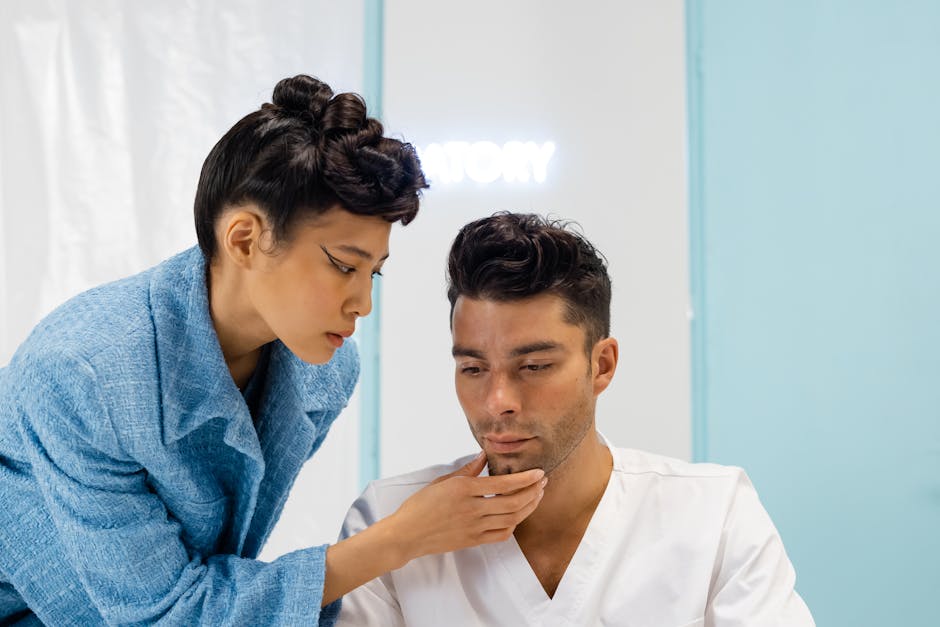
Building Southeast Asia’s Shared Skincare Intelligence: Real-Time Environmental Data, Clinical Insights, and Community Signal Tracking
The skincare landscape across urban Southeast Asia—particularly in Jakarta and Manila—has entered a pivotal new era. For skincare-literate individuals navigating oiliness with dehydration, sensitivity with urban pollution, and premature aging under relentless UV, the search for effective routines has often been a frustrating cycle of trial, error, and inefficacy. Yet, new data ecosystems and real-time API integrations are poised to transform this experience, connecting climate-aware product selection with transparent, collective intelligence.
For AURA’s audience—those demanding best sunscreen for humid weather, lightweight sunblock southeast asia, repair skin barrier humidity, and serum for oily dehydrated skin—the missing ingredient has been systemization: actionable data linking product performance to lived environmental conditions. The time for evidence-based, adaptive routines is now.
Key Trends and Strategies
1. Precision Personalization and Climate Adaptation
Skincare in Southeast Asia is fundamentally shaped by intense humidity (often 70–90%), UV index surges (8–12 peak hours), and pollution spikes. As research confirms, solar exposure and environmental factors outpace chronological age as drivers of perceived skin aging. In response, brands and consumers are shifting away from generic solutions towards climate-aware options—like lightweight sunblock for southeast asia and soothing gel for redness humidity—crafted for both immediate comfort and long-term resilience.
Routine optimization now hinges on real-time environmental signals. For example, application of a hydrating serum for oily dehydrated skin performs best when humidity drops below 75%, while barrier-restoring creams are critical during pollution surges. The emergence of shared data dashboards enables users to adapt not just their products, but their application timing and layering logic, in sync with real environmental conditions.
2. Data Integration: From Fragmentation to Collective Intelligence
Until now, skincare data in Jakarta and Manila was fragmented across clinical silos, retail purchase logs, underutilized weather feeds, and unstructured community reviews. This information asymmetry left even the most diligent consumers guessing. A dashboard solution, powered by open APIs and privacy-preserving aggregation, bridges these gaps by pooling clinic-level melanin and elasticity metrics, real-time humidity and UV readings, and anonymized community product outcomes.
Brands using this infrastructure generate actionable insights: instead of assuming product failures, they can pinpoint whether occlusive formulas falter at humidity peaks or if a soothing gel for redness humidity outperforms others in post-pollution recovery. This approach accelerates the identification of effective anti aging serum humid climate and supports formulation logic over fleeting trends.
3. Real-Time Environmental Contextualization
Understanding skin outcomes in Southeast Asia begins with environmental context. Studies, like the grape seed extract sunscreen clinical trial, reveal that skin hydration and elasticity are time- and humidity-dependent. With dashboards ingesting public APIs—OpenWeather, Jakarta Air Quality, PAGASA—users receive guidance grounded in local conditions: “UV index is 10 today; apply your lightweight sunblock southeast asia early; switch to anti aging serum humid climate by midday.”
This real-time visibility reduces uncertainty and empowers users and dermatologists alike to respond proactively, minimizing sensitivity incidents and optimizing routines.
4. API-Driven Innovation and Privacy-Conscious Data Sharing
API-first culture has made integration seamless. Brands like AURA can log product usage, timing, and user skin outcomes via mobile SDKs, contributing to central dashboards without compromising individual privacy. Consumers gain access to collective wisdom—“73% of users with combination skin in Manila report improvement with this serum at 82% humidity”—while maintaining data ownership and pseudonymity.
Privacy architecture and nonprofit governance ensure trust, transparency, and sustainability, positioning this new system as a genuine market differentiator.
State and Recommendations
- Integrate Environmental APIs: Firms should leverage municipal humidity, UV index, and pollution feeds, contextualizing product recommendations for southeast Asian climates.
- Layered Product Systems: Move away from heavy occlusive Western products; prioritize breathable, modular routines—such as korean japanese skincare tropical skin—that allow real-time adaptation.
- Capture and Aggregate Community Outcomes: Deploy mobile apps or SDKs to log anonymized product usage, routine timing, and skin response, feeding data into shared dashboards to inform future development.
- Evidence-Based Positioning: Use local clinical metrics (melanin, elasticity, erythema) and environmental correlations to validate claims, replacing trend-driven marketing with formulation logic.
- Champion Open Governance: Align with nonprofit consortiums for dashboard management; ensure quarterly audits, public reporting, and user export rights to build lasting brand trust.
Summary Comparison Table
| Approach | Heavy Occlusive (Western) | Breathable Layered (SEA/Korean/Japanese) |
|---|---|---|
| Product Logic | Single thick barrier; often too reactive or heavy in >80% humidity | Modular layers; lightweight sunblock, anti aging serum humid climate, soothing gel for redness humidity |
| Routine Adaptation | Static; little adjustment to environmental changes | Dynamic; routine shifts based on humidity, UV, pollution signals |
| Marketing | Trend-driven; short-term fixes | Clinical grounding; long-term repair skin barrier humidity |
| Outcome Focus | Immediate cosmetic appearance | Barrier resilience, anti-aging, comfort in humid climate |
Audience Segmentation: Challenges and Opportunities
Climate-Aware Skincare Users
Facing heat-driven transepidermal water loss and intense UV, this group needs lightweight sunblock southeast asia and anti aging serum humid climate. Opportunity: Real-time dashboards permit smarter timing—applying the right serum for oily dehydrated skin before humidity spikes and switching to barrier repair post-pollution.
Sensitive / Compromised Skin
Pollution, sweat, and urban stress create frequent redness, breakouts, and barrier dysfunction. Challenge: Most Western products are too occlusive. Opportunity: Community signal tracking identifies soothing gel for redness humidity and repair skin barrier humidity routines shown to perform under local stressors.
Oily-Dehydrated, Combination, and Reactive Skin Types
Many experience conflicting signals—dehydration yet oiliness, sensitivity yet breakouts. Challenge: Generic solutions fail. Opportunity: Shared dashboards expose which serum for oily dehydrated skin works for each environmental window, reducing trial-and-error cycles.
Early Anti-Aging (25–40)
Premature aging is more closely tied to cumulative UV exposure and pollution than actual age, especially in Southeast Asia (solar exposure and apparent aging). Opportunity: Integrate anti aging serum humid climate and sunscreen into daily routines, guided by dashboard-driven UV alerts.
Urban Southeast Asia: Jakarta & Manila
Both cities struggle with high humidity, pollution spikes, and UV surges. Challenge: Seasonal shifts require frequent routine recalibration. Opportunity: Dashboard-driven recommendations adapt routines seamlessly—lighter hydration in dry season, increased barrier support in wet season.
Comparison Segment
- Climate-aware users: Maximize efficacy via environmental context; thrive with flexible routines and data-driven adaptations.
- Sensitive/compromised skin: Discover soothing gel for redness humidity and barrier repair strategies through community data.
- Combination/reactive types: Reduce wasted purchases by tracking when products perform best in real conditions.
- Early anti-aging: Leverage UV alerts for preventative care and integrate anti aging serum humid climate into everyday routines.
- Urban SEA: Move from fragmented decisions to collective intelligence; adapt seasonally with transparent data feeds.
“Shared data is the bridge—transforming trial-and-error into informed, collective care, and enabling Southeast Asia’s skincare-literate community to reclaim agency over their routines.”
—AURA Skin Lab
Conclusion: Strategic Impact and Future Outlook
The launch of real-time skincare dashboards in Southeast Asia signals a decisive shift—from fragmented, trend-driven solutions to integrated, evidence-based routines. For AURA’s audience, this marks the end of uncertainty: fewer wasted purchases, quicker identification of products that truly work, and routines resilient against the region’s unique environmental stressors.
Brands embracing this data infrastructure not only enhance engagement and retention, but also build clinical credibility and differentiated market positions. As open governance and nonprofit consortiums become the norm, trust and transparency will underpin lasting consumer relationships.
Looking ahead, expansion into Bangkok, Hanoi, and beyond will cement Southeast Asia’s leadership in climate-adaptive skincare. Predictive modeling, academic partnerships, and public health insights will continue to deepen the dashboard’s impact, unlocking both individual empowerment and population-level improvements in skin health.
The next era belongs to those who systemize, adapt, and integrate—grounding every recommendation in lived, collective experience. The technology is ready; the demand is clear; the opportunity is transformation.