
Unlocking Southeast Asias $40B Skincare Market: How Mobile Loyalty Apps Personalize Routines For Humid Climates In Indonesia, Thailand, Malaysia, Philippines, Singapore & Vietnam
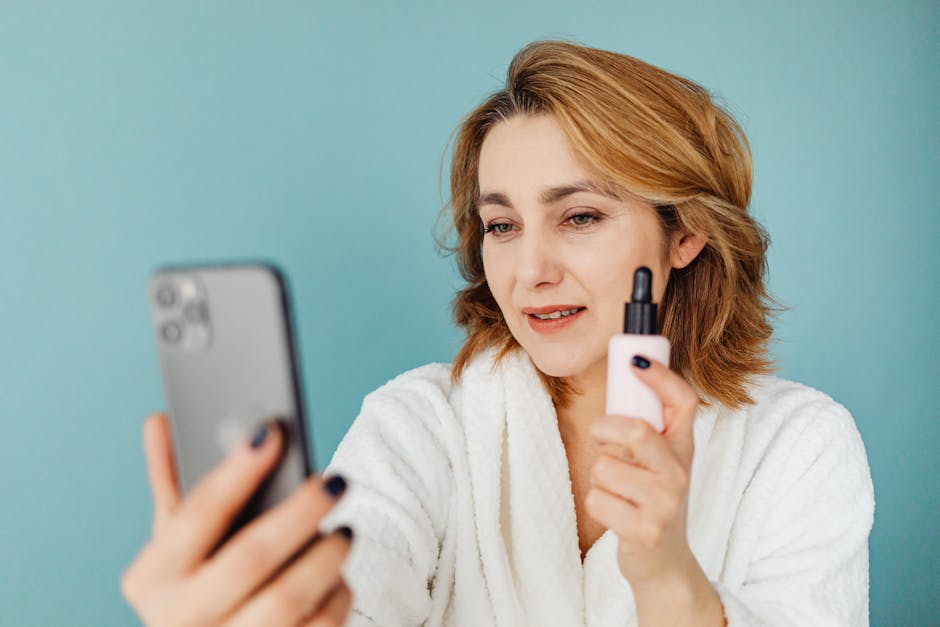
Mobile Loyalty Apps: Revolutionizing Personalized Skincare for Southeast Asians Amid Humidity
In the vibrant tapestry of Southeast Asia, a convergence of ancient beauty traditions and cutting-edge digital innovation is driving a transformative shift in how skincare is approached. What began as simple routines to combat tropical humidity has evolved into a multi-billion-dollar market, fueled by deeply rooted cultural values and the relentless march of technology. In 2023, the region’s beauty and personal care market soared to USD 33.1 billion, a testament to consumer aspirations for products that not only withstand humidity but also mirror the rising demand for natural, clean, and personalized skincare solutions (ChemLinked). Now, as Southeast Asians navigate sweat, oiliness, and sun exposure in climates hovering between 70–90% humidity, mobile loyalty apps are emerging as game-changers—offering tailored regimens and rewarding engagement while bridging the gap between tradition and technology.
Market Dynamics: Skincare Evolution in Southeast Asia’s Humid Climate
The Humidity Factor: Unique Regional Challenges
Southeast Asia’s equatorial climate is more than just a backdrop; it’s a protagonist shaping consumer behavior and product innovation. With average humidity levels at a staggering 70–90% and daily temperatures reaching 28–32°C, conventional skincare products are often ill-suited for the region’s sweaty realities (ChemLinked). The result: a surge in demand for sweat-proof makeup, oil-control solutions, and powerful sunscreens.
From Ingredients to Ethics: Consumer Priorities
A seismic shift is underway. Consumers—especially Gen Z and Millennials comprising 60% of the market—are increasingly scrutinizing product labels, with 66% prioritizing natural ingredients and 54% actively avoiding alcohol in formulations (Milieu Insight). Clean beauty is not just a trend but a conviction; 7 out of 10 users now view it as superior, driven by transparency, eco-friendliness, and cruelty-free claims. Post-pandemic, the demand for efficacy and sustainability has intensified, with waterproof mascaras, long-lasting cushions, and setting sprays dominating search histories and shopping carts.
E-Commerce as the New Beauty Frontline
If brick-and-mortar stores once defined Southeast Asian beauty commerce, e-commerce platforms like Shopee, Lazada, and ZALORA now command the lion’s share of sales—fueled by rapid digitalization and social media integration. Shopee and Lazada alone capture 20% of e-commerce sales, with social platforms accounting for another significant slice (Flywheel). The digital revolution doesn’t stop at delivery—it propels personalization, loyalty, and even AI-driven skincare routines directly into consumers’ palms.
Country-Specific Dynamics: Diversity in Demand
Each country in Southeast Asia presents unique patterns:
- Indonesia: The rise of halal-certified, brightening products and over 80% humidity makes Shopee and TikTok Shop critical for Gen Z discovery. Multifunctional, natural SPF solutions are top sellers.
- Thailand: Holistic wellness and sweat-resistant, dewy makeup define consumer choices. Official reseller sales are evenly split, and sustainability with heritage naturals drives premium purchases.
- Malaysia: Religious influences spark demand for alcohol-free, animal-friendly skincare. Sweaty conditions mean long-lasting formulas matter more than ever.
- Philippines: Affordable, versatile naturals reign, and the perpetual humidity fuels a market for oil-control products.
- Singapore: Premium, sustainable anti-aging solutions dominate, with affluent consumers valuing product narratives and technological innovation.
- Vietnam: Minimalist routines—anchored by sunscreen and cleansers—are prioritized, especially post-pandemic.
Consumer Insight: Preferences Shaped by Humidity and Digital Savvy
Young, Digital-First Consumers Are Redefining the Market
Gen Z and Millennials are leading the charge, demanding transparency and ethics from beauty brands (Statista). Social media and influencers shape 40% of routines and drive 70% of buying decisions in some countries. The rise of peer reviews, real-time product recommendations, and “skinfluence” is reshaping the path to purchase.
Clean Beauty: Beyond Marketing, Toward Trust
“Clean” is not just a buzzword. Consumers are actively avoiding chemicals: 29% avoid parabens, while eco-consciousness drives 43% of shoppers toward sustainable packaging and cruelty-free claims. In countries like Thailand, certified clean formulas are essential, with holistic products—like massage oils and aromatherapy—offering relief from both humidity and daily stress.
Halal and Localization: Cultural Sensitivity Drives Loyalty
For Muslim-majority countries (Indonesia, Malaysia), halal-certified products are not negotiable; sweat-resistant, anti-perspirant solutions align with religious values and climate realities. Apps like Wardah make halal personalization seamless.
Digital Personalization Readiness: AI Meets Humidity
AI-driven skin analysis, as pioneered by brands like SK-II and Shiseido, is transforming the industry. Apps now integrate local weather APIs—offering recommendations such as “Switch to mattifying serum at 85% RH.” Blockchain-backed certifications are used to combat counterfeits, restoring trust and protecting brand reputation (Covalo).
Comparative Analysis: Traditional vs. Digital Skincare Approaches
Legacy Practices and Modern Tech: The Duality of Care
Traditional Southeast Asian skincare relied on herbal remedies, physical stores, and word-of-mouth. The focus was on natural ingredients—such as tamarind, turmeric, and coconut—passed down through generations.
Digital Disruption: From Stores to Smartphones
Today, mobile loyalty apps are redefining engagement. While traditional methods centered on static recommendations and limited product access, digital solutions offer dynamic personalization. A user can input “humid day, oily T-zone” and receive instant recommendations for sweat-resistant products, with loyalty points awarded for routine adherence. Data-driven platforms empower consumers with real-time, climate-adjusted regimens—far beyond what local shops could offer.
Brand Trust and Counterfeit Mitigation
Legacy retail relied on personal trust in local sellers. Now, digital apps—integrating blockchain, certification scans, and peer reviews—significantly reduce counterfeiting, restoring faith in product authenticity.
ROI and Retention: A Quantitative Leap
Loyalty apps, especially when fueled by robust personalization, are proven to boost customer retention by 30–50% and conversion rates by up to 25%. Brands owning these platforms are positioned to secure 10–15% loyalty share of a projected USD 40B+ market by 2028 (Covalo).
Strategic Role of Mobile Loyalty Apps: Personalization at Scale
From Points to Personalized Coaches
Loyalty apps are evolving rapidly. No longer mere reward programs, they have become “AI coaches” that leverage humidity sensors, skin scans, and purchase history. Brands like Shopee and Lazada are integrating these capabilities, with Shopee’s “Skin Quiz” and humidity-alerts delivering context-aware recommendations. Points are earned for routine adherence and redeemed for clean, natural products—offering tangible value.
Localization: One Size Doesn’t Fit All
Strategic localization is critical. Apps tag products by halal certification for Indonesia and Malaysia, recommend Thai herbal solutions for Thailand, and highlight affordable, premium routines for Singapore, Philippines, and Vietnam.
Implementation Framework: How It Works
- Data Layer: Integrates humidity sensors, purchase history, and skin scans for context-aware personalization.
- AI Engine: Recommends sweat-proof combos like Eucerin serum paired with Kiehl’s setting spray, adjusting dynamically to climate.
- Rewards: Points system for engagement, redeemable for natural or clean products.
- Localization: Halal, Thai herbal, and eco-friendly tags ensure cultural and regional relevance.
“In leveraging digital personalization and loyalty platforms, Southeast Asia’s beauty industry is poised not only to meet consumer ambitions but to anticipate them—turning humidity and climate challenges into drivers of innovation, retention, and market leadership.”
Innovative Solutions: Top Mobile Loyalty Apps for Humid Skincare
Best-in-Class Apps and Integration Opportunities
The region’s most successful solutions—verified and active as of 2026—are setting benchmarks in personalization and loyalty engagement:
- Shopee Loyalty App: Dominates in Thailand, Indonesia, Philippines, Vietnam. Features “Shopee Skin Quiz” and humidity alerts for tailored recommendations. Brands can plug in via API, reaching 300 million users.
- Lazada Beauty Club: Expertly targets sweat-resistant skincare, with AI-powered routines for high humidity conditions. Offers half of official and reseller sales, increasing consumer choice and trust.
- SK-II AI Skin App: Premium-centric, climate-adaptive analysis; rewards users with loyalty points for personalized regimens—ideal for Singapore and Thailand.
- Shiseido Optune App: Specializes in oily skin personalization and weather-based recommendations.
- Perfect Corp YouCam Loyalty: Offers AR skin tests, connecting users to e-commerce links on Lazada and Shopee with over 100 million downloads.
- Glow Recipe SEA App: Cultivates loyalty for clean, dew-proof serums tailored for Thailand’s sweat-prone beauty seekers.
- Wardah App: Halal-certified humidity-proof skincare for Indonesia and Malaysia, with a robust points system.
Tailored Rollouts: Maximizing Local Impact
- Indonesia: Halal-certified brightening solutions via Shopee and Wardah.
- Thailand: Holistic, sweat-resistant serums through Lazada and Shiseido.
- Malaysia: Alcohol-free skincare spotlighted on Lazada.
- Philippines/Singapore/Vietnam: Affordable premium routines integrated via YouCam and Shopee.
KPIs and Compliance
Key performance indicators for successful rollout: Launch by Q1 2027, aiming for 15% user adoption and 25% sales uplift. Rigorous compliance with local regulations—especially halal certification in Indonesia—is a must.
Real-World Implications: Risks, Mitigation, and Business Impact
Risks: Data Privacy and Counterfeiting
The digital pivot brings new risks. Data privacy—under GDPR-like frameworks—is essential to protect consumer information. Counterfeits, once rampant, are mitigated via certification scans and blockchain technology—giving brands a competitive edge.
Business Impact: Retention, Engagement, and ROI
Personalized loyalty apps consistently deliver 30–50% improvements in retention and up to 25% conversion lifts (Covalo). Leaders in this space are set to own 10–15% market share of what will become a USD 40B+ industry by 2028. The ability to predict and meet consumer needs, down to the level of humidity-adjusted recommendations, is redefining customer satisfaction—and loyalty.
Tactical Recommendations
- Deploy mobile loyalty apps with real-time humidity integration and AI-driven personalization.
- Localize content and rewards—halal for Indonesia/Malaysia, holistic for Thailand, affordable premiums for Philippines/Singapore/Vietnam.
- Leverage influencer partnerships and peer reviews to foster trust and engagement.
- Ensure compliance with regional data privacy and certification standards.
Conclusion: The Strategic Imperative for Brands in Southeast Asia
The battle for beauty supremacy in Southeast Asia no longer rests solely on product innovation or price. The true differentiator is the ability to personalize, engage, and reward—in real time, in context, and in alignment with cultural values. Mobile loyalty apps that combine AI, climate data, and ethical transparency are not just responding to consumer demands—they are shaping future expectations.
Brands that embrace this paradigm shift, investing in robust digital ecosystems and localized loyalty strategies, will not only capture emerging market share but will become trusted partners in the daily routines of millions. The humid climate, once a barrier, is now a catalyst for innovation—propelling Southeast Asia’s beauty industry toward global leadership. For business decision-makers, the path is clear: harness mobile loyalty apps, localize intelligently, and turn personalization into your competitive weapon. The rewards—a loyal, engaged, and rapidly growing consumer base—await.