
Unlocking Sustainable Coffee Growth In Vietnams Central Highlands: Direct Sourcing, Traceability, And EUDR Compliance For Higher Incomes And Global Market Access
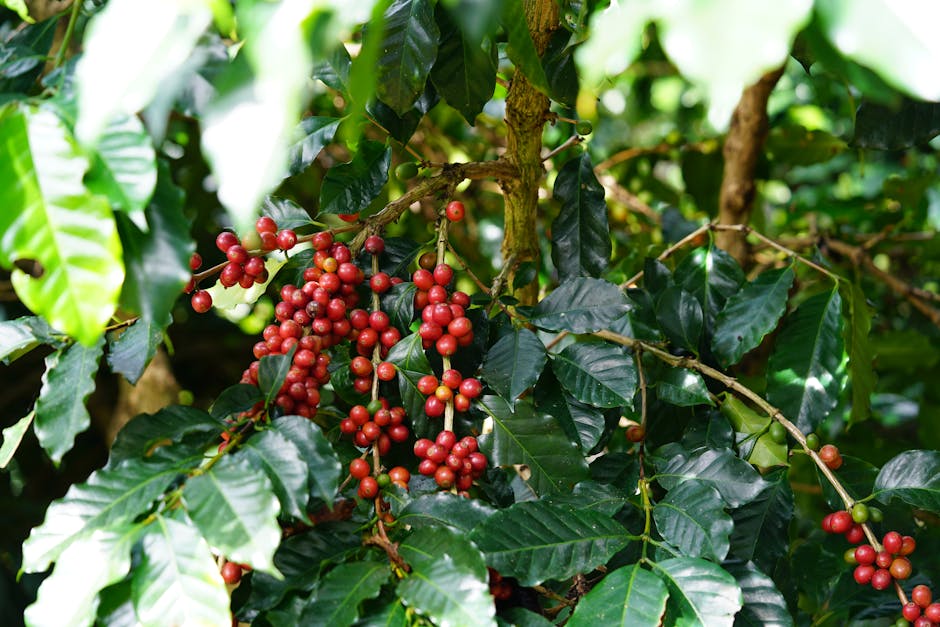
Vietnam’s Highlands Coffee Revolution: Deforestation-Free Sourcing, Traceable Chains, and the Stakes for Sustainable Growth
For generations, Vietnam's Central Highlands have stood as the unseen engine of the global coffee trade, transforming robusta beans grown by smallholder families into exports that pour into mugs from Paris to Tokyo. Today, as climate imperatives, regulatory shifts, and demand for ethical sourcing collide, this region is experiencing a radical transformation—a pivot that could rewrite not only Vietnam's coffee legacy but also the rules of engagement for business leaders, conscious consumers, and international buyers. With 66% of the nation’s coffee production centralized here, the Highlands are becoming a proving ground for scalable sustainability, deforestation-free chains, and direct farm-to-cup linkages. This exposé explores the real-world impact, the risks and rewards for stakeholders, and why Vietnam’s Highlands are now a strategic fulcrum in the global value era.
Central Highlands at the Crossroads: From Production Giant to Value Partner
Historical Dominance, New Pressures: For decades, provinces like Dak Lak, Lam Dong, Gia Lai, Dak Nong, and Kon Tum have been synonymous with bulk robusta, powering Vietnam’s ascent as the world’s second-largest coffee exporter. But the tides are shifting. Global scrutiny—particularly over deforestation and opaque supply chains—has intensified with frameworks like the EU Deforestation Regulation (EUDR). Producers now confront a pivotal choice: stay with volume-driven, intermediary-dominated trade, or embrace traceable, deforestation-free models that unlock new markets and margins.
Sector-Wide Transformation: The Highlands Coffee sector, led by brands such as Highlands Coffee, is pioneering direct partnerships with nearly 1,000 farms. This shift is not merely a compliance reaction—it’s a strategic race for brand legitimacy, premium access, and resilience. These alliances bypass layers of intermediaries, committing to long-term contracts, rigorous training, and on-site audits; in turn, farmers gain not just stable incomes but a voice in the value chain.
The Tactical Shifts Driving Sustainability: Data, Directness, and Digital Traceability
Direct Sourcing: Farm Networks Over Middlemen
The heart of the Highlands’ transformation beats in direct farmer engagement. With nearly 1,000 farms linked directly to brands, the “farm-to-cup” intimacy is real, not rhetoric. These relationships offer transparent contracts, quality control, and stability—countering the volatility caused by traditional intermediaries.
Economic and Environmental Gains:Farmers report up to 20% higher incomes, as specialty beans command premiums, aided by solar-powered roasting and certifications from organizations like Rainforest Alliance. Pilots across the Highlands have realized 20% reductions in water usage, 14% cuts in chemical fertilizers, and full elimination of banned pesticides—all without compromising yields. Regenerative practices, including intercropping, are boosting productivity by 5-25% per hectare.
Digital Traceability: Scaling Compliance and Cost Efficiency
Beyond relationships and inputs, digital innovation is turbocharging the Highlands’ progress. Cross-sector platforms such as SourceUp and IDH’s Protection-Production-Inclusion (PPI) Compacts have mapped 137,000 hectares of coffee and 123,000 hectares of forest, creating traceability databases that are three times cheaper than company-specific systems.
EUDR Readiness:Dutch-Vietnamese partnerships, highlighted by the 2023 SIMEXCO Dak Lak–Highlands Coffee MOU, embed GPS mapping, digital records, and real-time forest monitoring, positioning producers for seamless EUDR compliance and premium EU market access.
Innovative Practices and Real-World Outcomes: Regenerative Agriculture and Landscape Partnerships
Regenerative Practices: Climate Resilience and Yield Multipliers
Regenerative agriculture isn’t just a buzzword in the Highlands; it’s the backbone of sustainable transformation. Intercropping, organic farming, and input reductions have proven their worth in pilots, moving from 70 hectares in early tests to 400–600 hectares province-wide by 2020, and now scaling across the region’s massive production share.
Multi-Stakeholder Platforms: Landscape-Level Action
IDH, Rainforest Alliance, and the Alliance Bioversity-CIAT convene government, corporate, and farmer stakeholders to deploy climate-smart tools such as localized forecasts and insurance mechanisms. The PPI Compacts balance forest protection, sustainable production, and inclusive growth—creating a model that is technically feasible at scale and ready for broader adoption.
Cost-Efficient Scaling:Shared digital platforms not only cut traceability costs by a third but also enable carbon accounting and emissions reporting, future-proofing the sector for international standards and investment.
Comparative Perspectives: Legacy Approaches vs. The New Value Model
Legacy Producers: Risks and Limitations
Traditional producers, reliant on intermediaries and volume pricing, face mounting risks: price volatility, exclusion from premium EU markets, and environmental degradation. Fragmented supply chains limit traceability, making compliance costly and uncertain.
Sustainability Leaders: Strategic Advantages
Brands that adopt direct sourcing, digital traceability, and regenerative practices enjoy premium access, market trust, and higher margins. Early adopters such as Highlands Coffee, powered by Dutch partnerships and PPI frameworks, have demonstrated measurable gains: 20% higher farmer incomes, 5–25% yield increases, and robust climate resilience.
Consumer Lens: Beyond Labels
For conscious consumers, the difference is actionable. Farm-direct claims can be verified via digital apps and platforms such as SourceUp, empowering purchase decisions that reinforce sustainability. Rainforest Alliance-certified robusta and outlets offering EUDR-ready beans are becoming preferred choices—rewarding transparency and impact.
Challenges and Risks: Data, Scale, and Climate Uncertainty
Traceability Gaps:
Despite rapid scaling, many smallholders still lack location-specific traceability, especially those operating on family plots. This limits uniform adoption and creates potential compliance bottlenecks.
Cost Barriers:Initial investments in tech, training, and certification remain steep for smaller producers; though shared databases and public-private partnerships (such as UNDP/World Bank VNSAT) are offsetting these risks.
Climate Pressures:Rising climate risks demand robust insurance schemes and localized forecasts, which are emerging but not yet universally accessible.
Regulatory Timelines:The EUDR delay to 2025 offers a window, but provincial commitments and national carbon accounting systems need acceleration to avoid sector-wide fallout.
Action Roadmaps: Steps for Business Decision Makers and Consumers
Deepen Direct Engagement:
Secure transparent contracts with Highlands cooperatives, implement comprehensive training and audit programs, and expand direct sourcing networks. Business decision makers should model their procurement after Highlands Coffee, targeting at least 1,000 farm partnerships.
Accelerate Digital Traceability:Deploy GPS mapping, blockchain, and shared platforms—following the 137,000 hectare precedent—to cut compliance costs and future-proof supply chains.
Regenerative Scaling:Adopt intercropping, solar-powered roasting, and robust certification processes to achieve input savings and yield gains. Aim for measurable targets: 20% income uplift, 5–25% yield improvements.
Leverage Multi-Stakeholder Platforms:Join PPI Compacts, collaborate with Dutch buyers for EU access, and tap into public-private investment funds to scale adoption and lower risk.
Consumer Advocacy:Encourage consumers to verify sustainable claims via SourceUp and IDH tools, prioritize Rainforest Alliance-certified robusta, and drive demand for EUDR-compliant products.
Key Metrics and Industry Insights: Numbers That Matter
Production Dominance: Central Highlands = 66% of Vietnam’s output, robusta led but arabica rising.
Premium Access: Sustainability leaders enjoy 20% farmer premiums and stable supply, with pilots showing no productivity loss.
Market Projections: EUDR gates EU exports—Vietnam's critical market—with early adopters reporting higher brand equity and margins.
Risk Mitigation: Integrated traceability enables carbon accounting, providing resilience against tightening global standards.
Competitive Edge: Brands like Highlands Coffee, backed by digital systems and cross-sector alliances, are outpacing laggards at multiple levels—income, yield, and market reach.
Real-World Storytelling: Highlands Coffee, SIMEXCO, and Cooperative Impact
Highlands Coffee: Blueprint for Value-Driven Sourcing
From 2018 pilots with Ea Tan Cooperative to province-wide rollouts, Highlands Coffee has forged direct contracts with nearly 1,000 farms, embedding transparent audits and regenerative practice training. With solar-powered roasting and Rainforest Alliance certifications, their supply chain is EUDR-ready and climate resilient.
SIMEXCO Dak Lak MOU:The 2023 Memorandum of Understanding with Highlands Coffee marked a watershed moment—disseminating organic farming and best practices sector-wide, embedding GPS mapping and forest monitoring.
Collaborative Ecosystem:IDH, Rainforest Alliance, Alliance Bioversity-CIAT, and Dutch intermediaries drive this transformation, linking local producers to premium EU buyers and funding landscape scaling. Platforms like SourceUp facilitate real-time order links and traceability for both B2B and B2C buyers.
Comparative Segment: Legacy Chains vs. Traceable Value Chains
Legacy Chains: Opaque, intermediary-driven, price volatility, limited access to premium buyers, high compliance and environmental risks.
Traceable Value Chains: Direct contracts, digital traceability, regenerative inputs, stable incomes, EUDR-ready compliance, carbon reporting, and long-term resilience.
Consumer Experience: The shift is visceral. Direct order platforms (e.g., SourceUp, growthhq.io) link buyers to farm-level verification, empowering conscious choice and boosting sector legitimacy.
“As Vietnam’s Highlands pivot from production hub to global value partner, the brands, businesses, and consumers who invest in traceable, deforestation-free chains today are not only safeguarding their own growth—they’re fortifying the resilience of a sector that powers the world’s morning rituals.”
Consumer-Focused Implementation: How to Buy, Verify, and Influence
Verification: Use apps and platforms (SourceUp, IDH) to confirm farm traceability and direct sourcing claims. Seek out Rainforest Alliance and EUDR-ready certifications.
Direct Purchases: Highlands Coffee outlets and apps offer farm-to-cup beans; cooperatives are accessible via platforms like growthhq.io for bulk and specialty orders.
Premium Choices: Opt for robusta and arabica beans sourced through compliant, transparent chains—ensuring not just quality, but sector-wide impact.
Business Integration: Corporate buyers should integrate SourceUp commitments and landscape-driven procurement models to scale verified sourcing and ensure competitive advantage.
Broader Implications: Vietnam’s Highlands as a Global Value Hub
From Bulk to Brand: The Highlands are transitioning from a commodity production base to a global value partner, embedding sustainability, traceability, and resilience at scale.
Scaling PPI Compacts: Province-wide adoption guarantees deforestation-free status—unlocking EU, Japan, and specialty markets.
Strategic Investment: Decision makers should allocate 10–20% of procurement budgets toward pilots and verified suppliers, targeting 15–25% ROI via premiums, efficiencies, and resilience.
Institutional Strength: Robust partnerships with government, NGOs, and international buyers ensure sector-wide legitimacy and export access, future-proofing the Highlands against regulatory shifts and climate risk.
Industry Takeaway: Investing in direct, traceable chains now offers unmatched scale and proven gains—66% production base, 20% income uplifts, and compliance-ready systems.
Conclusion: The Strategic Imperative for the Highlands Coffee Future
Vietnam’s Central Highlands are at a historic crossroads, pivoting from mere production to a model of global value, sustainability, and resilience. The explosive scaling of direct farmer engagement, digital traceability, and regenerative practices isn’t just an ethical imperative—it’s a hard-nosed business strategy that unlocks premium access, brand trust, and risk mitigation. For business leaders, allocating resources toward traceable, deforestation-free supply chains is no longer optional; it is the gateway to the EU market and the future of coffee trading. For consumers, each purchase is a lever for impact, reinforcing the transformation of the sector that shapes the world’s daily rituals.
Looking forward, the Highlands’ evolution will define Vietnam’s role in the global coffee value era. Brands, businesses, and consumers who act boldly now—embracing digital systems, landscape partnerships, and farm-to-cup transparency—will emerge as leaders in a market increasingly shaped by climate, compliance, and conscious demand. This is not just Vietnam’s coffee story; it is a case study in how a once-opaque commodity sector can become a beacon of sustainable, inclusive growth on the world stage.