
Unlocking Sustainable Growth: How Vietnamese Highlands Coffee Brands And Local Farmers Are Powering Record Exports And Future-Proofing The Central Highlands Coffee Industry
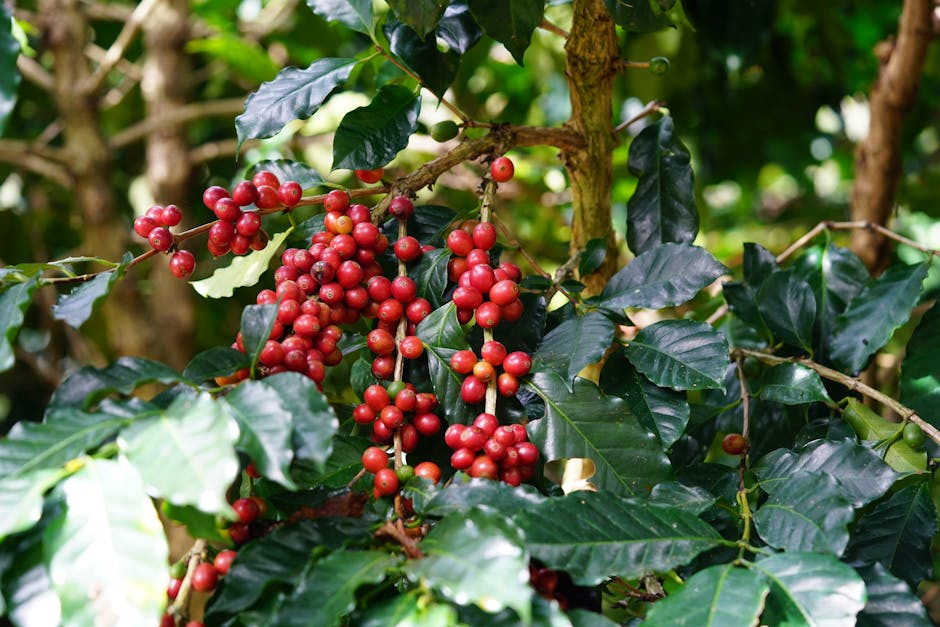
Vietnamese Highlands Coffee Brands & Local Farmers: A New Era of Sustainable Growth
In the mist-clad plateaus of Vietnam’s Central Highlands, coffee cultivation is both a heritage and a rapidly modernizing enterprise. As global demand for high-quality, sustainable coffee soars, Vietnamese brands like Highlands Coffee stand at a transformative juncture. Driven by historic export highs in 2024-2025—1.5 million tons valued at $8.4 billion—and equipped with cutting-edge traceability systems, these brands now look to partnerships with local farmers as the cornerstone of future growth. In this exposé, we chart the landscape of opportunity, risk, and revolutionary collaboration shaping Vietnam’s ascent as a coffee superpower, probing the real-world implications for farmers, brands, and global markets alike.
The Central Highlands: Vietnam’s Coffee Heartland on the World Stage
Historic Legacy Meets Modern Ambition: The Central Highlands—spanning Dak Lak, Lam Dong, Dak Nong, Gia Lai, and Kon Tum—constitute Vietnam’s agricultural crown jewel. In 2024, these provinces represented 92% of national coffee cultivation (over 730,000 hectares) and generated a staggering 90% of total output. This region’s volcanic soils and temperate climate have nurtured generations of coffee producers, but recent years have seen a paradigm shift. According to recent USDA data, the 2025/26 harvest is forecast at a record 31 million bags green bean equivalent (GBE), reflecting robust productivity and farmer investment spurred by surging global prices.
From Volume to Value: A crucial development in 2025 was the industry’s pivot from maximizing volume to emphasizing quality, traceability, and sustainability. With export values soaring by 55.5% year-over-year (reaching $8.4 billion), and traceability databases now covering 80% of cultivated area, Vietnam’s coffee sector has matured beyond its reputation as a bulk Robusta supplier. This shift is not merely market-driven: new regulations—most notably the European Union’s Deforestation Regulation (EUDR)—mandate rigorous geolocation and ‘low-risk’ sourcing, sharpening the competitive edge for compliant origin countries like Vietnam.
Highlands Coffee: Championing Brand Growth through Local Collaboration
Retail Domination Amid Market Shifts: At the retail frontier stands Highlands Coffee, Vietnam’s flagship chain with 928 outlets as of September 2025. While the national F&B market flirts with VND 406.1 trillion ($15.4 billion) in scale, Highlands distinguishes itself not just by store count but by a surge in same-store sales and earnings. Their recent $20 million processing facility and focus on value-added exports underscore a strategic ambition: to deepen ties upstream—directly to the farms.
Why Farmer Collaboration Is Imperative: The logic is compelling. Secure, compliant supply chains not only mitigate regulatory risk (especially as EU inspections drop to 1% for ‘low-risk’ shipments after 2026) but also enable brands to capture the full premium of quality differentiation. For Highlands and peers, the ability to guarantee traceable, sustainably-grown beans underpins both international expansion and domestic market resilience—especially as retail networks in Hanoi and HCMC confront double-digit contractions.
Emerging Patterns and Tactical Shifts: How Collaboration is Redefining the Industry
Building the Traceable Supply Chain: Vietnamese coffee’s embrace of traceability is transformative. The national database—managed by entities like VICOFA—now covers over 462,000 hectares, collecting geolocation data vital for EUDR compliance. For brands, the immediate tactic is clear: partner with farmer cooperatives and the database to ensure 100% EUDR-compliant sourcing. Rolling out farm management apps and supporting digital literacy among growers is not just a regulatory box-tick; it’s a pathway to unlocking 52.7% price premiums compared to non-compliant sources. Such moves also reduce dependency on volatile spot markets, cementing brand-farmer loyalty.
Investing in Replanting and Inputs for Sustainable Productivity: Another tactical shift is investment in replanting programs. Leveraging WASI’s annual supply of 4-5 million seedlings, brands co-finance replanting across 20,000 hectares, with a focus on high-yield, disease-resistant varietals. Such programs—over 96% of national targets met in 2025—are critical to pushing yields toward the 2.90 MT/ha forecast for MY2025/26, and securing the desired 10% annual production growth.
Innovation in Coffee: Specialty, Value-Addition, and Market Diversification
Specialty Coffee Ecosystems: The coming years will see a new emphasis on specialty coffee. The Ministry of Agriculture and Rural Development (MAE) is piloting specialty programs aimed at 19,000 hectares by 2030, targeting both Robusta and Arabica blends, especially in Gia Lai and Kon Tum. For Highlands Coffee and similar brands, engaging farmers in competitions and quality training not only unlocks premium market access but also builds the narrative of Vietnamese coffee as an artisanal product, not a mere commodity. The tangible result: 11,000 tons of specialty output by 2030 and a sharp value surge in exports.
Processing and Value-Addition: The future for Vietnamese coffee brands lies in value addition. Highlands Coffee’s new plant in Ba Ria-Vung Tau is a template for closer integration: sourcing directly from farmers, processing locally, and exporting roasted or soluble coffee to Asia’s burgeoning markets. This transition reduces Vietnam’s reliance on bulk green exports and aligns with soaring domestic consumption, projected at 4.9 million bags by 2026 (16% of total production). Technological upgrades—especially low-emission processing—are layered atop to bolster the “sustainable” brand promise, further differentiating Vietnamese coffee on the global stage.
Comparative Perspectives: Vietnam’s Model vs. Traditional Approaches
Old Guard vs. New Collaborators: Previously, many Vietnamese exporters relied on fragmented supply chains, with little transparency, minimal farmer engagement, and heavy focus on commodity pricing. Brand differentiation was hard to achieve, and farmers were exposed to price volatility and low investment. In contrast, today’s top brands—Highlands, Trung Nguyen, and others—are vertically integrating operations, co-investing in farms, and sharing traceability data.
What Sets Vietnam Apart: With record export volumes and values, nearly universal traceability, and government-coordinated replanting, Vietnam’s model is increasingly recognized as a global benchmark. The “low-risk” EUDR rating—secured by only a handful of coffee origins—means Vietnam can offer unprecedented supply security to discerning buyers, while specialty and value-add programs move the sector up the value chain.
The Real-World Impact: Implications for Farmers, Brands, and Global Markets
For Farmers: These collaborative frameworks mean more than just compliance. Farmers enjoy price premiums, subsidized access to high-quality inputs, and inclusion in specialty supply chains that offer greater income stability and professional development. The push for traceability and sustainable farming practices also helps protect their land—and livelihoods—against risks like soil degradation and climate variability. Despite competition from other lucrative crops such as durian, coffee farmers remain at the heart of the sector’s expansion, with replanting nearly 96.4% on target and specialty acreage growing.
For Brands: For Highlands and its competitors, the upside goes well beyond risk mitigation. Enhanced traceability, direct relationships with growers, and access to specialty and value-added product streams mean stronger brand equity at home and abroad, higher per-ton revenue, and readiness for new markets. Initiatives such as offering farmer equity shares in future IPOs could further cement these symbiotic ties.
For Global Buyers: Investors and buyers—especially in Europe—benefit from transparency, consistency, and the assurance of ethically and sustainably sourced coffee. With inspection requirements dropping to just 1% for compliant Vietnamese shipments from 2026, importers can count on reduced risk, simplified logistics, and enhanced marketability.
Vietnam’s coffee industry is not just experiencing record growth—it is redefining the very blueprint of origin-to-cup collaboration. Tomorrow’s most successful brands will be those that see farmers not as mere suppliers, but as co-innovators and co-investors in a shared, sustainable journey.
Challenges, Risks, and Adaptive Strategies
Navigating EUDR and Regulatory Hurdles: While Vietnam enjoys “low-risk” status, EUDR compliance is a moving target, demanding constant updates to traceability systems and ongoing farmer training. Missing these marks could invite punitive inspections or loss of critical European market share. Proactive partnerships with VICOFA, MAE, and digital solution providers are required to keep the compliance engine running smoothly.
Risks of Crop Diversification and Rising Costs: As international prices rise, farmers are tempted to switch acreage to higher-value crops like durian, threatening coffee output growth. Similarly, rising costs of fertilizer, labor, and technology adoption require continuous financial and educational support from brands and government.
Matching Investment to Opportunity: Large investments—such as Trung Nguyen’s $75 million Dak Lak factory or Highlands’ $20 million Ba Ria-Vung Tau facility—are necessary to unlock value addition and secure direct-from-farm supply. However, these capital outlays must be matched by scaling retail and export channels, as the Vietnamese coffee market is projected to hit $10.52 billion by 2032, with a 7.3% CAGR.
Forward-Thinking Insights: The Future of Brand–Farmer Partnerships
Technology as a Bridge: The next decade will be defined by the digitization of farm-to-cup supply chains. Farm traceability apps, remote sensing, and real-time data sharing between farmers and brands will set new global standards. Highlands’ investment in these platforms and ongoing expansion of pilot projects—particularly in Dak Lak, the Robusta powerhouse—could serve as a model for replication across Southeast Asia.
Specialty Coffee and Sustainability: With specialty coffee occupying only about 3% of total area but promising much higher margins, expect a steady shift toward more competitions, farmer training, and direct buyer engagement—especially for export to Asian and European urban centers. Processing innovations (low-emission drying, on-farm micro-mills) will be critical for sustaining both environmental and commercial gains.
IPO-Readiness and Farmer Equity: As Highlands Coffee eyes IPO, integrating farmers into the ownership structure through equity shares will not only anchor loyalty but also set a precedent for ethical, inclusive value chains. This model—already being discussed at industry conferences—could well shape the global narrative on equitable agricultural growth.
Conclusion: Why Strategic Collaboration is Non-Negotiable for Vietnam’s Coffee Future
As Vietnam’s coffee sector stands atop record-breaking output and export earnings, the imperative is clear: sustainable growth will be forged, not found. The nation’s most dynamic brands—Highlands Coffee foremost among them—are already demonstrating that the real lever for long-term value lies in strategic, technology-enabled, and equitable collaboration with local farmers. In a world where compliance, traceability, and sustainability are prerequisites for premium market access, these partnerships are not mere options; they are the currency of future competitiveness and impact.
From the red earth of Dak Lak to the bustling cafés of Saigon and the discerning markets of Europe and Asia, the Vietnamese coffee story is entering its most exciting chapter yet. The decisions made now, and the investments in shared prosperity, will define Vietnam’s place in the global coffee pantheon for decades to come.