
Unlocking Sustainable IT: How MacBook Pro 3-Year Fleet Refresh Drives TCO Savings And ESG Success In The US, EU, UK, Japan & Australia For 2026
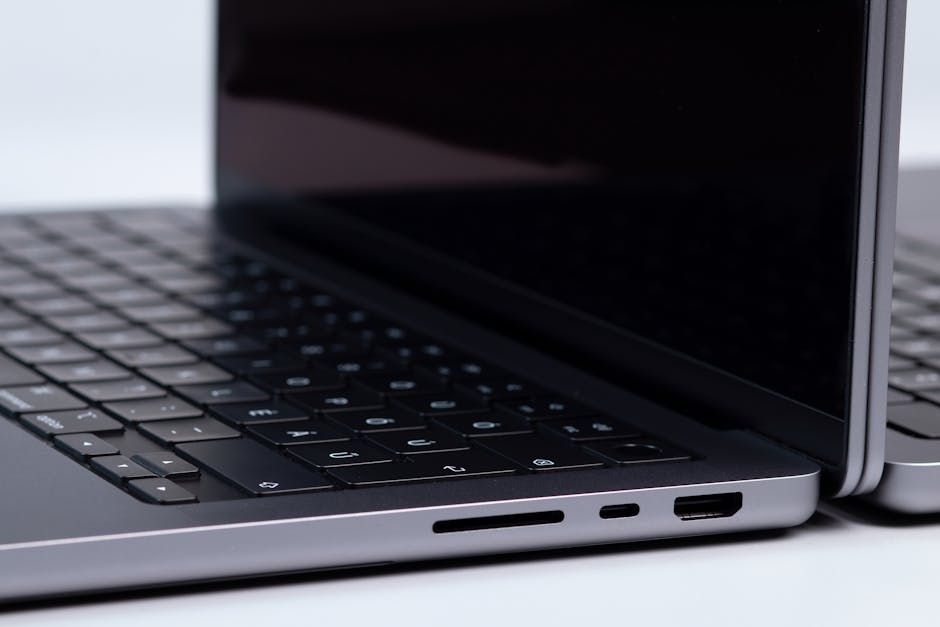
MacBook Pro: The New Blueprint for Sustainable Enterprise PC Fleet Refresh
The enterprise IT landscape in 2026 stands at a remarkable crossroads. What once was a cycle of mere hardware upgrades has evolved—driven by the twin imperatives of artificial intelligence readiness and sustainability mandates. As businesses worldwide brace for the end of Windows 10 support and grapple with rising AI workloads, a strategic shift is underway: the transition to MacBook Pro as the centerpiece for future-ready, environmentally responsible PC fleet refreshes. This exposé reveals how IT managers are reimagining the refresh cycle, leveraging data, real-world case studies, and Apple’s unique strengths to overhaul traditional practices and align technology with tomorrow’s business and societal demands.
Unpacking the 2026 PC Refresh Imperative
Historical Context: Upgrading organizational computers every 4–5 years was once standard, often tied to warranty expiration or gradual obsolescence. However, the proliferation of AI-powered workloads and Microsoft’s announcement that Windows 10 support will cease in 2025 has accelerated fleet replacement cycles. Gartner and other analysts note that IT decision-makers now face an “AI-driven replacement wave”—not just for performance, but for compliance and sustainability.
Strategic Shift: Organizations are aligning refresh cycles with new metrics: environmental impact, asset recovery, and long-term total cost of ownership (TCO). Enter the MacBook Pro: renowned for its durability, software longevity, and exceptional residual value, it provides a compelling alternative to traditional PC models that often lose value rapidly and generate increased support tickets post-warranty.
The Rolling Refresh Model: Rather than waiting for all machines to depreciate and obsolete, IT managers are adopting a rolling 3-year refresh. Cohorts of devices are systematically replaced each year, optimizing asset value and smoothing budgets. This strategy not only addresses sustainability—by reducing e-waste through trade-ins and refurbishments—but also ensures enterprise fleets stay AI-ready and secure.
MacBook Pro: Redefining What Matters in Enterprise Fleet Management
Longevity and Residual Value: A key differentiator for the MacBook Pro lies in its ability to retain 40–50% of its original value at the 3-year mark, compared to only 15–20% for typical PCs at five years (source). This means IT managers can halve their net refresh costs by trading in Macs at peak value—effectively subsidizing new purchases while aligning with circular economy principles.
Support Cost Dynamics: Supporting aging PCs is an expensive proposition. After warranties and support contracts expire (especially post-AppleCare+ in year three), support tickets spike while hardware reliability plummets. Intel’s own data suggests a 3-year refresh cycle yields lower support costs and security risks—principles that are directly applicable to MacBook Pro fleets (corporate case study). Macs, meanwhile, are typically supported with macOS updates for up to seven years, further extending their life and utility in enterprise environments.
Refurbishment and Sustainability Leadership: Apple’s circular design ethos—favoring refurbishment over landfill—gives the MacBook Pro a distinctive advantage. Trade-in programs keep devices out of landfill, while refurbished units enter secondary markets at premium prices. For a business with 30 Macs, refreshing ten annually on a rolling basis not only smooths budgets but also supports ESG goals by preventing e-waste and reducing emissions (refurb tech trends).
Comparative Perspectives: MacBook Pro Versus Traditional PC Approaches
Financial Model—A Real-World Example: Take a 1,000-device enterprise. Refreshing 333 MacBook Pros annually, each originally costing $2,500, with a 3-year trade-in value of $1,000–$1,250 per unit, results in a net annual cost of $500,000. Contrast this with a lump-sum replacement every five years where depreciation is steeper and residual value is only 15–20%. The difference is not merely budgetary, but strategic, enabling flexible procurement and IT-finance alignment.
Performance and AI Readiness: Apple Silicon’s integrated Neural Engine provides native AI support, future-proofing enterprise investments and delivering up to 15% greater energy efficiency, made possible via remote power management tools (AI in sustainability). Aging Intel-based PCs, in contrast, require significant hardware upgrades to stay relevant for AI workloads—the implication: proactive Mac refreshes ensure both sustainability and technological advantage.
Device Governance and Security: While Windows fleets rely on Intune for centralized management, MacBook Pros benefit from dedicated MDM solutions like Kandji (now Iru), Mosyle, and Jamf Pro. These platforms enable policy enforcement, zero-touch deployment, app distribution, and remote device wipe—critical features not always available or as robust in Windows environments.
Emerging Practices: Actionable Integration Tips for IT Managers
Audit and Inventory: Start by auditing every device—track model, purchase date, AppleCare+ status, macOS version, and battery health. Modern MDM solutions automate this process, providing real-time visibility for even the largest fleets. If an MDM is absent, prioritizing deployment is essential for governance and compliance.
Implementing a Rolling 3-Year Refresh: Divide fleets by age and refresh in cohorts—replace one-third annually to avoid financial spikes and capture peak trade-in value. For example, a 30-device Mac fleet would replace ten each year, while a 1,000-device enterprise would swap 333 units. Lock in trade-in agreements within days of new device deployment, as delays erode asset value.
Integrate MDM for Seamless Management: Transition from Windows-centric Intune to Mac-native tools. Enroll devices via Apple Business Manager; pilot with 10% of your fleet and monitor battery health to trigger refreshes proactively.
Promoting Circularity via Trade-Ins and Refurbishment: Partner with Apple-authorized resellers to maximize trade-in value. Refurbished MacBook Pros from 2023–2025 are in high demand, creating revenue streams while reducing e-waste and emissions. For global operations, leverage IT Asset Disposition (ITAD) services for compliant recycling and secondary market sales.
Future-Proofing for AI: MacBook Pro’s Neural Engine handles AI workloads natively; refreshing now positions organizations for Windows 11+ AI tools and avoids costly upgrade cliffs. Test energy-saving features—such as remote shutdowns—to achieve up to 15% reduction in enterprise-wide power consumption.
Aligning Financial and Procurement Operations: Treat fleet refresh as a cross-functional initiative. Model TCO based on 3-year residuals, use flexible payment plans via partners, and document ESG impacts for audit compliance. Reference Gartner’s lifecycle recommendations in procurement reporting.
Regional Strategies: Tailoring Fleet Refresh Practices to Local Contexts
United States: US firms lead global Mac adoption—Intel’s own IT division exemplifies three-year rolling refreshes for cost and risk reduction. The Inflation Reduction Act (IRA) offers tax credits for sustainable IT deployments, and trade-ins continue to deliver 40–50% value retention. For large-scale operations, tools like Jamf and Apple Business Essentials streamline management of fleets numbering in the tens of thousands. California’s ESG compliance pilots are already yielding strong audit results.
European Union (Germany, France, UK): EU regulations such as the Digital Product Passport and Right to Repair favor modular Macs. Germany requires annual e-waste audits; France’s REEN law incentivizes refurbishment and circularity. By staggering refresh cycles—particularly aligning with Apple’s autumn hardware releases—firms save up to 20% TCO via trade-ins and avoid VAT spikes. GDPR-compliant MDM platforms like Mosyle enable privacy-centric device governance.
Japan and Australia: MacBook Pro’s extended seven-year software support exceeds Japan’s eco-longevity standards. Australia’s NTRS recycling scheme rewards trade-ins, making rolling refreshes both economically and environmentally viable. Local partners and APAC-centric MDMs are key to compliance and operational success.
Comparative Table Insights:
| Region | Key Regulation | Mac Advantage | Refresh Cadence |
|---|---|---|---|
| US | IRA Credits | High residuals | 3-year rolling |
| Germany | E-Waste Audit | Repairability | Annual cohorts |
| France | REEN Circularity | Refurb markets | Staggered |
| UK | VAT/Trade Rules | Zero-touch | Post-autumn |
Critical Metrics and Case Studies: Quantifying the Impact
Intel IT’s Transformation: Intel’s own refresh cycle showed lower costs, reduced security incidents, and improved user productivity—metrics now guiding MacBook Pro adoption in other industries.
30-Mac Enterprise Example: A business refreshing ten Macs per year saw substantial, quantifiable savings thanks to trade-in values, reduced support tickets, and smooth budget allocation.
Gartner on Sustainability: Lifecycle extension and asset recovery saved upfront spend while meeting corporate carbon reduction targets, demonstrating how circular models impact the bottom line.
AI and Energy Efficiency: Firms piloting native AI tools on MacBook Pro reduced enterprise-wide energy consumption by up to 15%, translating to measurable ESG benefits.
Risks and Mitigations: Overextending refresh cycles beyond three years spikes repair costs and increases shadow IT risks. Best practice: use MDM tools like Kandji to enforce policy, trigger battery health-based refreshes, and monitor support ticket volumes for proactive intervention.
“IT managers who embrace a rolling 3-year MacBook Pro refresh not only future-proof their fleets for the AI era but drive cross-functional gains in cost, sustainability, and compliance—turning technology procurement into a strategic lever for business transformation.”
The Roadmap: From Audit to Ongoing Optimization
Month 1—Fleet Audit via MDM: Gain full visibility into asset status, age, and support coverage.
Month 2—Model TCO & Select Partners: Quantify residuals, choose trade-in/resell programs, and align procurement with ESG metrics.
Quarterly—Refresh Cohorts & Trade-In: Stagger rollouts for seamless operations, maximize value capture, and minimize e-waste.
Ongoing—Monitor KPIs: Track residual values, energy consumption, and support ticket volume to identify improvement areas and inform future refreshes.
Comparative Lens: Why This Matters More Than Ever
Differentiating Perspectives: For legacy Windows-centric viewers, the MacBook Pro refresh strategy might seem radical. Yet, the convergence of AI, sustainability, and regulatory shifts makes sticking with old upgrade cycles a risky proposition. The Mac approach—backed by robust management tools, longer support windows, and clear policy-driven refreshes—offers quantifiable ROI, risk mitigation, and compliance assurance.
Equity and Inclusion: Enabling seamless device provisioning and policy enforcement supports hybrid and remote workforces, reducing digital divide and fostering cross-functional collaboration. Zero-touch deployment and MDM solutions are not just technical features—they’re enablers of organizational agility.
Conclusion: Charting the Future of Enterprise PC Fleet Refresh
The 2026 PC refresh wave is not merely an IT event—it is a strategic inflection point. By centering fleet management on MacBook Pro, enterprises unlock cascading benefits: financial optimization through peak residual value, sustainability leadership via trade-ins and refurbishment, and future-proofing for AI workloads. The rolling 3-year refresh model delivers 20–40% TCO reductions, smooths procurement, and supports global ESG mandates. Most importantly, it recasts IT from a cost center to a transformative force—inviting IT managers, CFOs, and sustainability officers to collaborate in building tomorrow’s digital, agile, and green enterprise. As the convergence of AI and sustainability accelerates, now is the time for organizations to seize the opportunity, rethink traditional paradigms, and lead the next chapter in tech-driven business evolution.