
U.S.-China Tariff Changes 2025: Key Rates, Industry Impact, And Strategic Insights For Global Business Leaders
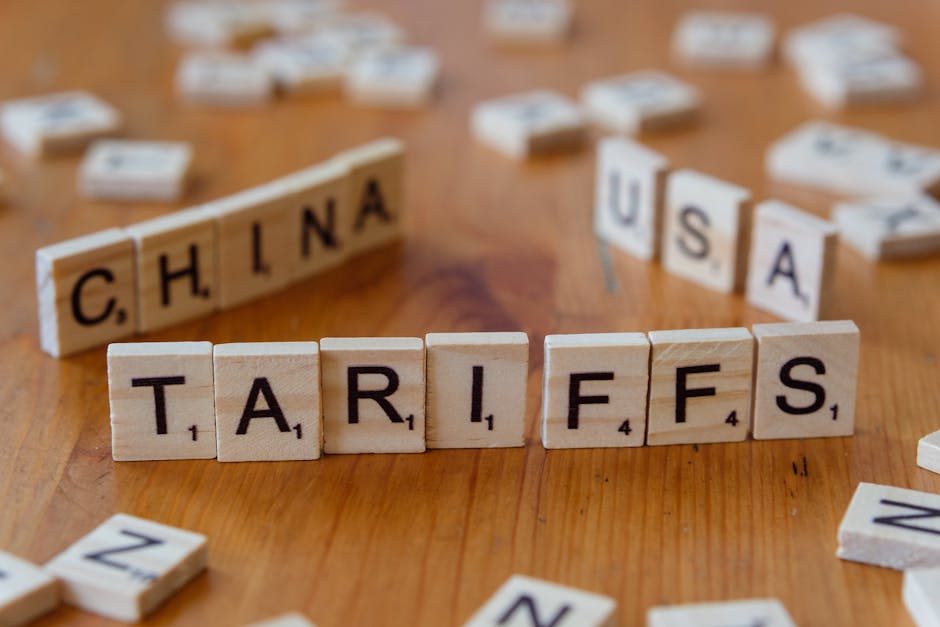
Tariffs in Transition: The Ongoing U.S.-China Trade Evolution and Its Global Ripple Effects
In late 2025, the international trade landscape entered a pivotal phase underscored by a whirlwind of policy negotiations, recalibrated tariff rates, and shifting geopolitical priorities. The much-anticipated U.S.-China trade agreement, finalized on November 1 following high-stakes diplomacy between President Trump and President Xi in Busan, marked a moment of relative stabilization for markets battered by years of trade wars. However, with reciprocal tariffs, sectoral duties, and targeted measures—such as those on steel, aluminum, and fentanyl-related goods—still reverberating through global supply chains, the effects of this transition are multifaceted and profound.
This exposé unpacks the real-world consequences of these measures, drawing on data current through November 24, 2025, and explores how key stakeholders—manufacturers, logistics providers, policymakers, and multinational enterprises—are responding to the shifting rules of commerce. Embedded in this narrative are lessons from the past, stories from the present, and foresight for the next chapter in global trade.
The New Tariff Reality: Mapping the Current Landscape
Historic Shift in U.S.-China Relations: The Busan summit between Trump and Xi was the culmination of nearly three years of intensified trade negotiations, retaliatory escalations, and ad hoc tariff experiments. The resulting one-year trade agreement, as publicly detailed in late November (Wiley Law), reset the U.S.-China trade relationship with a 10% baseline reciprocal tariff on Chinese goods, extended through November 2026.
Targeted Sectoral Tariffs: Beyond the headline rate, the U.S. retained select duties that continue to shape global production patterns. Steel and aluminum imports remain subject to a 25% ad valorem tariff—applied without exception since March 12, 2025 (Thompson Hine). At the same time, tariffs on fentanyl-related Chinese products have been halved from 20% to 10%, signaling a shift from punitive measures toward calibrated deterrence.
India and Retaliatory Adjustments: Indian exports to the U.S. now face a 25% additional duty, a move widely interpreted as a signal for more balanced negotiation (EY Tax News). Meanwhile, China suspended a suite of retaliatory tariffs announced since March, lowering its general rate on U.S. exports from previous highs to 21.9% by November 2025.
Data Limitations and Challenges: The available sources do not reflect updates from November 27-30. While this leaves a short window of ambiguity, the backbone of the market context and tariff rates remains robust, guiding analysis and real-world adaptation.
Emerging Patterns: Industry Responses and Tactical Shifts
Manufacturing’s Realignment: For American and Chinese manufacturers, the 10% reciprocal tariff functions as both a floor and a ceiling—capping escalation yet preserving the premium that incentivizes nearshoring, automation, and digital supply chain innovation. Firms already embedded in China have accelerated diversification to Southeast Asia, Latin America, and the U.S. heartland, seeking not just tariff relief but resilience against future shocks.
The Steel and Aluminum Quandary: The blanket 25% U.S. duty remains a global disruptor. European firms, lacking exemption, have ramped up lobbying and restructured contracts to mitigate costs. Some U.S. producers—especially in the Midwest—have benefited from stabilized pricing, while downstream industries report higher input costs and reconfigured sourcing networks.
Pharmaceuticals and Fentanyl-Related Products: The reduction of fentanyl-related tariffs by half is both a public health and supply chain story. U.S. pharmaceutical firms have adjusted procurement strategies to factor in lower Chinese import costs, though compliance and traceability standards have been strengthened to minimize illicit influx.
India’s Strategic Response: The imposition of a 25% duty on Indian goods has prompted rapid renegotiation of trade agreements, with Indian exporters pursuing both tariff engineering and value-added transformation (e.g., final assembly and packaging in third countries) to maintain market access.
Logistics and Cost Pressures: While granular logistics and cost data for the last three days of November is unavailable, global supply chain managers report persistent volatility. Freight rates remain above pre-pandemic levels, and just-in-time models have shifted toward inventory buffering and regional hub development.
Innovation Under Pressure: New Practices and Adaptive Strategies
Digitalization and Trade Compliance: Companies are leveraging AI and blockchain for dynamic tariff calculation, rapid re-routing, and compliance management. As outlined by industry observers (Dimerco News), digital platforms enabling real-time visibility have become essential for anticipating, modeling, and responding to evolving trade restrictions.
Sustainable Sourcing and ESG Integration: The new tariff regime has served as a catalyst for Environmental, Social, and Governance (ESG) innovation. Product carbon footprints, labor standards, and responsible sourcing are now factored into supply decisions not only for reputational reasons but also for tariff engineering, as buyers opt for compliant, lower-risk suppliers.
Financial Hedging and Scenario Planning: Multinationals are intensifying currency hedging, options trading, and scenario analysis to buffer against sudden tariff shifts. The uncertainty in data updates post-November 24 has only reinforced the value of agile planning and cross-functional teamwork.
Comparative Perspectives: Lessons for New Market Entrants and Industry Veterans
Legacy Firms Versus New Entrants: Established firms, flush with institutional memory and capital, have deployed multi-layered mitigation tactics—long-term contracts, regional manufacturing pivots, and lobbying for exemptions. In contrast, startups and new market entrants grapple with thinner margins and less operational flexibility, choosing to specialize in niche sectors or direct-to-consumer models that can bypass tariff-heavy supply chains.
Global South versus Developed Economies: While the major powers—U.S., China, and India—command headlines, emerging economies in Southeast Asia, Africa, and Latin America have seized trade re-routing opportunities, offering competitive alternatives for sourcing, assembly, and export. Yet, the risks of over-reliance and sudden regulatory tightening remain.
Consumer Implications: For consumers, the most immediate effect has been gradual price increases on durable goods and electronics, with inflationary spikes tapering as supply chains stabilize. In pharmaceuticals, the tariff reduction on fentanyl-related products has prompted debate about balancing supply needs with broader social risks.
“Adaptability, not predictability, is now the hallmark of global trade. Firms and policymakers must anticipate rapid changes and build resilience—because the next shift may not be announced, but absorbed.”
Forward-Looking Insights: Strategic Imperatives Amid Uncertainty
Building Resilience Into Supply Chains: The post-2025 trade environment demands an explicit investment in redundancy, transparency, and scenario agility. Cross-border data sharing, digital twinning of logistics flows, and tiered supplier networks are fast becoming industry norms.
Geopolitical Monitoring and Advocacy: Senior executives and trade associations are doubling down on geopolitical intelligence, recognizing that the “new normal” of tariffs is shaped not just by economics but by diplomatic cycles, security concerns, and election calendars.
Policy Innovation: Governments must innovate—balancing protectionism against the imperative for open, rules-based commerce. Lessons from the U.S.-China-India triangle suggest that tactical tariffs can buy negotiating room, but sustained prosperity depends on clarity and cooperation.
Conclusion: The Future of Tariffs—Between Stability and Strategic Fluidity
The latest round of U.S.-China tariff negotiations signals a measured step away from crisis-driven disruption toward managed competition. Yet, the persistent application of sectoral and selective duties—steel, aluminum, pharmaceuticals, and Indian exports—confirms that tariffs remain a core tool in the arsenal of economic statecraft.
From manufacturers and exporters to logistics managers and consumers, stakeholders across the global economy face sustained volatility and opportunity. The rapid adoption of digital compliance platforms, ESG standards, and scenario planning is not simply a reaction—it is now a permanent fixture in strategic playbooks.
Looking ahead, the strategic importance of trade policy will only grow. Tariffs, whether recalibrated or reimposed, will continue to shape the architecture of global commerce, demanding vigilance, innovation, and cross-sector collaboration. As the world enters 2026 and beyond, the ability to balance resilience with agility—to read the signals in trade data and anticipate the next wave—will determine the winners and the laggards in a market defined not by certainty, but by the pace of change.