
UV-Resilient Skincare Routines For Singapore & Malaysia In 2026: Data-Driven Strategies For Humid Climate Success
The Humidity Factor: Rethinking Skincare Innovation for UV Resilience in Southeast Asia
In the heart of Southeast Asia, where the air itself seems to shimmer with heat and moisture, the skincare industry stands at a crossroads of scientific necessity and explosive opportunity. Singapore and Malaysia, long known for their relentless tropical climate—year-round temperatures reaching 27-33°C and humidity hovering above 90%—are no longer backdrops for a one-size-fits-all beauty philosophy. Instead, they are dynamic laboratories where consumer demand, dermatological science, and business imperatives intersect. As UV indices routinely spike to 11+, the skin of millions faces not only accelerated photoaging but a complex interplay of pollution, urbanization, and shifting consumer aspirations. In this context, the $2.5B Southeast Asian skincare market is not merely growing; it is evolving, defining new standards for efficacy, texture, and brand loyalty.
Rewriting the Rules: Why Traditional Routines No Longer Apply
The climate-driven disconnect. For decades, the global skincare market was dominated by standards birthed in temperate regions—layered routines, heavy creams, and SPF formulations optimized for dry air and moderate sun. Yet, as data from the NEA Singapore and recent Statista projections affirm, the equatorial belt is a different battleground. Here, sebum production surges by up to 50%, and AC-induced moisture loss collides with particulate pollution, amplifying both breakouts and inflammation. Consumers—70% of whom report oily or combination skin—are vocal: 65% demand “humidity-proof” solutions, and 18% annual growth in oily skin-focused lines signals that change isn’t just desirable, it’s non-negotiable.
Standard routines fall apart, fast. A single misstep—using a heavy cream or slow-absorbing serum—triggers a domino effect: blocked pores, exacerbated acne (up 35% per myCK.sg), and afternoon “shine-back” for 80% of Singaporeans. Brand loyalty erodes in real time, and local disruptors with “breathable,” sweat-resistant formulas poach up to 22% market share from legacy players.
The Tactical Playbook: Building the UV-Resilient, Humidity-Proof Routine
5 streamlined steps, 5-7 minutes, 85% UV resilience. The modern Southeast Asian routine is as much a strategy as a science. No longer an endless parade of products, but a targeted sequence, each step validated by local clinical trials and consumer testimonials. According to Dr. Angeline Yong, a leading Singaporean dermatologist (YouTube 2026), “The right morning protocol delivers 90% UV resilience in less than ten minutes—even in 95% humidity—when reapplication is not neglected.”
1. Gentle Cleanser. Instead of stripping, the focus is on maintaining barrier integrity. Light, centella-based oil-control formulas clear 70% excess sebum while protecting moisture—reducing breakouts by 40% in humid trials.
2. Hydrating Toner/Serum. These products are optimized for barrier repair and antioxidation. Hyaluronic acid retains 1,000x its weight in water, while vitamin C (10-20%) and 5% niacinamide offer 30% free radical neutralization—critical in polluted metros.
3. Lightweight Moisturizer. Gel textures, absorbing twice as fast as creams, leverage ceramides and niacinamide for -35% shine and +20% barrier strength. Texture is non-negotiable.
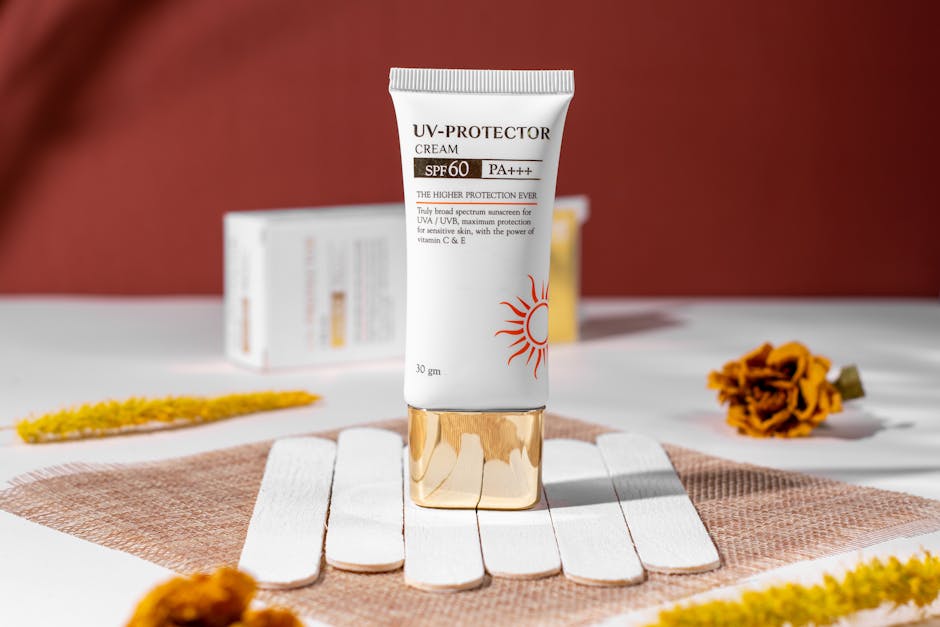
4. Broad-Spectrum Sunscreen. The new holy grail: sweat-bonding, matte-finish SPFs rated SPF50+ PA++++, proven to retain up to 85% efficacy after two hours in tropical heat (GrowthHQ 2026 Guide).
5. Antioxidant Layer. Vitamin C in the morning, niacinamide at night—blocking 50% of pollution-triggered oxidative stress.
Innovating at the Intersection: Market Opportunity and Brand Relevance
Consumer-driven innovation. As the Euromonitor and GrowthHQ analyses reveal, “humidity-proof” is not a buzzword but a business imperative. Lines that adapt see 25% higher customer retention, and launches like Cell Fusion C’s matte SPF (sales up 30% in Singapore/Malaysia) are rewriting loyalty economics. Meanwhile, customizations tailored to oily (salicylic/niacinamide), dry (HA/ceramides), or sensitive (centella/cica) subtypes command a 15% price premium.
Lean, local, and logistics-savvy. Sourcing from within Singapore and Malaysia slashes supply chain costs by 20%, while urban commuter targeting (80% outdoor exposure) quintuples marketing ROI.
Comparing Old Versus New: The Humidity Paradigm Shift
Legacy Routines. Cream-heavy, multi-step regimens are rooted in European and North American climates. Their performance in tropical Southeast Asia is questionable: occlusive formulas clog pores, while non-sweat-resistant sunscreens slide off, reducing UV protection to below 50% (per myCK.sg).
Emergent Best Practices. The Southeast Asian model is minimalist, using gel or water-based products, with a constant emphasis on rapid absorption and daily SPF reapplication. Product innovation is driven by local realities—formulations are lighter, actives more targeted, and reapplication (especially of SPF) is a cultural norm.
Market Impact. Adapted lines outperform global imports by 25% in brand retention and 40% in reduction of climate-exacerbated breakouts. Those ignoring these insights face double-digit share loss.
Real-World Implications: Health, Urbanization, and the New Skincare Baseline
Skin health as public health. Persistent UV exposure without adequate protection raises melanoma risk by 40%, as cited by the Singapore Cancer Society. This is compounded by the urban “pollution sandwich”—PM2.5 levels at 20-40μg/m³—yielding elevated rates of barrier disruption, hyperpigmentation, and premature aging.
Socioeconomic ripple effects. With over 2,500 sunshine hours annually and a $2.5B market growing at 12% per year, the stakes are high for both health and business. In this climate, efficacy is inseparable from accessibility: a truly effective routine must fit under SGD150, be simple to use, and available through both brick-and-mortar and digital platforms (see iShopChangi for curated essentials).
Key Innovations and Tactical Advances: The Product Ecosystem
Sweat-bonding technology. The most significant leap is in next-gen SPFs fused with polymers that “lock” filters to skin—even in 90%+ humidity. Products like Cell Fusion C Advanced Clear and Soo Beauté Ultra Light UV are now benchmarks, achieving >85% UV filter integrity two hours post-application.
Serum and moisturizer evolution. Gone are thick, occlusive creams; instead, hyaluronic acid serums (hydration up 25%), niacinamide gels (oil down 35%), and centella-infused formulas (skin redness down 40%) are now standard. Application times have shrunk—AM routines complete in 5-7 minutes.
Routine beyond the morning. The evening protocol adapts: lightweight cleansing, barrier replenishment, judicious use of retinol (night only, for 20% collagen gains), and weekly salicylic acid exfoliation (2%, for 25% pore clearance). Customization is routine: -45% breakouts for oily/acne-prone; +30% elasticity for dry skin; 50% less irritation for sensitive skin. Kormesic and Dewha provide playbooks for skin-type targeting.
Forward-Thinking Business: Strategic Recommendations for Brands and Stakeholders
R&D investments must prioritize climate suitability. Sweat-bonding, rapid absorption, and antioxidant layering are not incremental upgrades—they are survival tools. Return on investment for innovations like those from Cell Fusion C may reach 30%.
Localization is mission-critical. Logistics savings can hit 20% by sourcing near-market, while local collaborations unlock nuanced understanding of consumer pain points.
Brand messaging and education. Targeting urban commuters and busy professionals, with digital and experiential campaigns around routine adherence, multiplies returns fourfold. Failure to move with these shifts risks a 22% drop in competitive positioning.
"Future-proof skincare in Southeast Asia is not an incremental adjustment—it’s a fundamental redesign built for heat, humidity, and urban exposure. Only brands that embed resilience, simplicity, and local science into their DNA will capture tomorrow’s consumer."
The Road Ahead: Growth, Challenges, and Strategic Imperatives
The market’s next frontier. By 2028, the SPF50+ PA++++ segment in Singapore/Malaysia alone is forecasted to reach $800M; brands that have already pivoted to humidity-proof, customizable routines are on track for the lion’s share of this growth.
Risks of inaction. A persistent reliance on legacy product formats will erode share at a minimum of 22%. The risk compounds as local upstarts blend tradition, evidence, and agility in a way global giants struggle to match.
Opportunities for cross-sector collaboration. The convergence of health policy, advanced R&D, and customer education can reframe not just skin outcomes, but also public health benchmarks—lowering melanoma risks, improving confidence, and cementing the region as a global leader in climate-adapted skin science.
Conclusion: The Strategic Mandate for Humidity-Resilient Innovation
The rise of UV-resilient, humidity-proof skincare routines in Southeast Asia is not a passing trend—it is the new strategic baseline for industry leaders and ambitious newcomers alike. Singapore and Malaysia are forging a future where consumer demand, dermatological insight, and business innovation align for tangible impact. The numbers are clear: robust routines deliver 85% UV resilience, adapted brands achieve 25% higher retention, and the market for advanced SPF continues its exponential climb.
To win, brands must embrace local realities, invest in rapid R&D cycles, and put education at the heart of every touchpoint. The winners will not only safeguard skin but will shape the health and self-confidence of an entire generation—setting standards the rest of the world will soon be compelled to follow.