
Vietnam Business Visa & Bank Account Setup Guide 2025: Legal Steps, Costs, And Compliance For Under $10,000
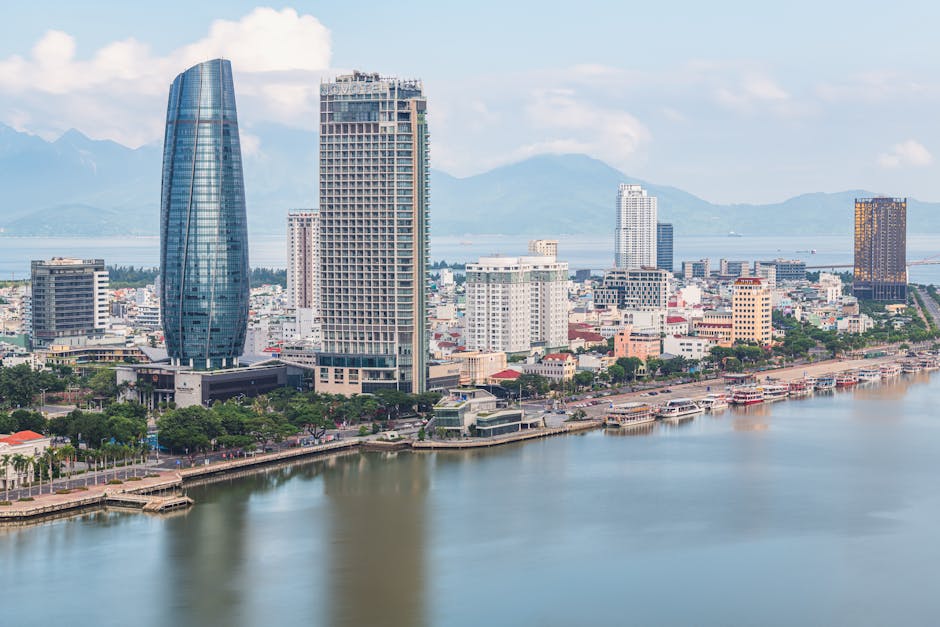
The Real Cost and Pathways of Setting Up a Legitimate Vietnam Business Visa with a Bank Account Under $10,000
Imagine this: You’re an entrepreneur or executive eyeing Vietnam for your next business move. The country’s rapid economic ascent, driven by manufacturing, tech, and foreign investment, makes it an undeniable magnet for international business. Yet, a persistent question echoes in forums and boardrooms alike—can you truly secure a fully compliant Vietnam business visa, open a corporate bank account, and lay operational roots, all under $10,000 USD?
A decade ago, the answer may have seemed simple—pay for a visa, file basic paperwork, and watch opportunity unfold. Today, the landscape is far more nuanced. Bureaucratic vigilance, tightened regulations, and an evolving marketplace have shifted both the cost structures and risks. This exposé unpacks the truth behind the low-cost business setup myth, detailing the necessary steps, red flags, and strategic decisions that now define legitimacy in Vietnam’s business visa ecosystem.
Vietnam’s Business Visa System: From Open Door to Robust Gatekeeper
Historic Openness and Recent Shifts
Vietnam’s post-reform era has long welcomed foreign investment with relatively straightforward business visa pathways. For years, the informal “pay for a visa” approach thrived—often with loosely vetted sponsorships and perfunctory paperwork. However, from 2025 onwards, recent regulatory changes have put scrutiny on every stage of the process: from sponsorship authenticity to banking compliance. The market now rewards those who build lean, transparent structures—while penalizing shortcuts and shell arrangements.
Visa—More Than Just a Stamp
Receiving a business visa is no longer a commoditized transaction. The current requirements emphasize a valid, six-month-plus passport, a legally registered Vietnamese sponsor, and documented proof of business purpose. The days of “visa-on-demand” intermediaries are fading; today, the government prioritizes actual business activity and verifiable corporate links.
The Under-$10K Dream: Anatomy of a Lean, Lawful Setup
Busting the Fee Myth
Contrary to persistent rumors, the lion’s share of expenses is not the government fees—these remain modest. Instead, the largest cost components are professional services, legal compliance, and genuine corporate setup. According to leading legal experts, a sub-$10K setup is feasible for a single business visa and banking arrangement if you:
- Engage a real Vietnamese entity as sponsor (not just a paperwork facilitator)
- Keep operations and structure simple
- Budget carefully for notarizations, translation, basic legal support, and transparent banking fees
Service, compliance, and local support often outstrip the visa application fee by a factor of five or more. This includes document preparation, vetting of sponsor company legitimacy, and the time cost of navigating Vietnam’s evolving regulatory landscape.
From Visa to Bank Account: The Real Hurdles
What Banks Need—And Why Your Visa Isn’t Enough
In Vietnam, opening a business bank account is a distinct step from visa approval. Major banks require:
- Verified company incorporation and tax registration documents
- Sponsor or company authorization paperwork
- Identity, legal status, and proof of operational activity
Compliance Over Convenience
This evolution reflects a wider push by Vietnam’s authorities to clamp down on money laundering, shell company abuse, and “visa-for-hire” schemes. As a result, the documentation burden and verification timelines for both visas and bank accounts have increased—but for genuine businesses, these are not insurmountable obstacles.
Modern Tactical Shifts: How Savvy Applicants Navigate the Rules
Lean Structures Over Layered Entities
To stay within the sub-$10K framework, experienced founders and advisors advocate for:
- Partnering with an established but not over-complicated sponsor
- Minimizing entity layers and avoiding cross-border shell structures
- Investing in high-quality local legal and translation support early on
Document Management as Strategic Asset
Preparation of a complete, consistent dossier is now the most critical element. Mistakes, omissions, or inconsistencies almost always lead to delays, extra costs, or outright rejection. Savvy decision-makers treat visa and banking documentation as a core business asset, not a one-off administrative task.
Comparative Perspectives: Old Assumptions vs. New Realities
“Pay and Play” Is Over
Previously, many foreigners assumed that paying a service fee—sometimes mere hundreds of dollars—would unlock a business visa and related privileges with minimal scrutiny. That perspective relied on an ecosystem of local agents, some of whom offered genuine support, while others skirted the line of legality.
The New Model: Substance and Sustainability
Today, those entering the Vietnamese market must align with the government’s clear, compliance-first framework. Not only are shell-company and “letterhead” sponsorships subject to increased investigation, but banks and ministries now cross-check records rigorously before issuing approvals.
Short-Term vs. Long-Term Options
For entrepreneurs or professionals without a local sponsor, short-term e-visas remain available for select business activities. However, these do not substitute for full business sponsorship or enable the opening of local business bank accounts, especially for ongoing activity.
“Vietnam’s regulatory evolution reflects both opportunity and responsibility: the ease of the past has been replaced by a system that rewards transparent, purpose-driven entrants and demands real substance behind every business visa.”
Red Flags and Compliance Risks: What to Avoid
The Dangers of Shortcutting
Attempting to bypass real sponsorship or relying on template paperwork exposes applicants to visa cancellation, denied bank accounts, or even legal penalties. Increasingly, the government reviews not only the applicant, but the sponsoring entity’s record, tax filings, and operational legitimacy.
False Economy: Cutting Corners on Compliance
Under-investing in reliable local support often leads to cascading costs. Delays, translation errors, or rejections can push total spending above the $10,000 threshold while undermining business credibility.
Month-by-Month Setup Timeline: The Modern Playbook
Phase 1: Preparation (Weeks 1–2)
- Identify and vet Vietnamese sponsor
- Gather corporate and invitation documents
- Translate and notarize paperwork as needed
- Submit complete dossier for business visa (expect 3–7 business days for processing)
- Address any queries or requests for additional information
- Attend in-person banking appointments
- Submit company, tax, and ID documents
- Complete any regulatory checks or interviews
- Finalize banking, receive account details
- Launch business activities with full compliance
Forward-Thinking Insight: The Future of Vietnam Business Entry
Why This Matters—Not Just for Now, But for Years Ahead
Vietnam’s approach signals a wider trend among fast-growing markets: attracting foreign investment, yes, but only by those who contribute transparently and sustainably. As scrutiny intensifies, the winners will be those who treat compliance as a core investment—not a bolt-on expense.
Expect the business visa process to become even more digitalized and standardized, with further integration across immigration, banking, and tax authorities. Over time, the lean, legitimate, and under-$10K pathway will remain available—but only for those who understand and respect the full scope of Vietnam’s evolving business environment.
Conclusion: Why Strategic Clarity Is the Only Way Forward
Vietnam’s dramatic economic progress offers immense opportunity for decisive, well-prepared business leaders. In the era of increased regulatory coherence, success in securing a business visa and bank account under $10,000 depends on a clear alignment between substance, documentation, and local partnership.
Shortcuts, half-measures, or casual arrangements are no longer tenable. Instead, those who approach the process with transparency, operational clarity, and a willingness to invest (time as much as money) will unlock not just approval, but durable market presence.
The future belongs to those who see entry into Vietnam not as a transaction, but as a strategic, relationship-driven commitment—a test not just of budget, but of intent and integrity.