
Vietnam Startup Ecosystem 2026: HCMC, Hanoi, Da Nang Power Big Tech Growth In AI, Semiconductors, Green Tech
Vietnam's Startup Ecosystem: The Ascent of Big Tech, Accelerators, and Strategic Innovation
Vietnam’s journey from emerging market to Southeast Asian innovation powerhouse has been marked by rapid transformation, resilience in the face of global headwinds, and an ambitious vision for technology-led growth. In the wake of the 2023 stagnation, Vietnam’s startup ecosystem has not only rebounded—it has entered a phase of “deeper growth and international integration,” as described by the Ministry of Science and Technology. With a global ranking of #55 and a robust +17.9% year-on-year growth rate, Vietnam stands at the nexus of talent migration, Big Tech attraction, and regional dynamism. This exposé takes you inside Vietnam’s innovation engine, exploring the key players, real-world opportunities, and the accelerators driving faster market entry—while examining what these shifts mean for business leaders, investors, and the region’s competitive landscape.
The Evolution of Vietnam's Startup Ecosystem: From Stagnation to Strategic Surge
Post-2023 Recovery and Policy Tailwinds: Vietnam’s startup ecosystem saw a sharp rebound after the stagnation of 2023, propelled by government interventions such as Resolutions 57-72 and the submission of the National Strategy on Innovative Startups in December 2025. These moves have catalyzed public-private venture funds and prioritized eleven strategic sectors: artificial intelligence (AI), semiconductors, green technology, and climate tech—a focus that mirrors the interests of global hyperscalers and Big Tech players.
Quantitative Milestones: According to the StartupBlink global index, Vietnam now hosts over 4,000 startups—961 of which are tracked at the ecosystem level—backed by $139.74M in 2025 funding. Ho Chi Minh City (HCMC) dominates as the #111 city globally, capturing 50% of Vietnam’s startups, 40% of incubators, and 44% of investments in a $7.5 billion ecosystem. With ambitions for 3-4 new unicorns by 2030, Vietnam’s targets are clear: AI, semiconductors, and green tech, in tandem with its robust fintech and edtech sectors.
Talent Migration and Big Tech Magnetism: Vietnam’s cost-effective and highly skilled tech talent pool has become a major draw for multinational giants. In 2024 alone, the country saw an $80 million surge in AI private investment—eight times the previous year’s figure—signaling serious interest from hyperscaler players such as Google, Intel, Samsung, and AWS, whose footprints, though indirect, are evident in semiconductors and green tech investments.
Regional Dynamics: HCMC Leads, Hanoi and Da Nang Rise, Central Highlands Lag
Ho Chi Minh City (HCMC): Vanguard of Innovation
HCMC’s leadership is anchored by the Quang Trung Software City (QTSC) and the Saigon Hi-Tech Park, which together host 112 projects and a staggering 30,000 ICT firms. This city is a top-5 Southeast Asian ecosystem and ranks #2 in blockchain innovation. It excels across fintech (#57 globally), edtech (#62), e-commerce, and logistics—sectors with direct appeal for international capital and Big Tech.
Hanoi and the Red River Delta: Mature Sectors, Talent Pipeline
Hanoi’s strengths lie in finance, health, and logistics. Serving as the hub for Techfest and boasting a 30,000-strong ICT talent pool, the city provides both the infrastructure and human resources required for scaling innovation.
Da Nang and the Central Highlands: Emerging Frontiers
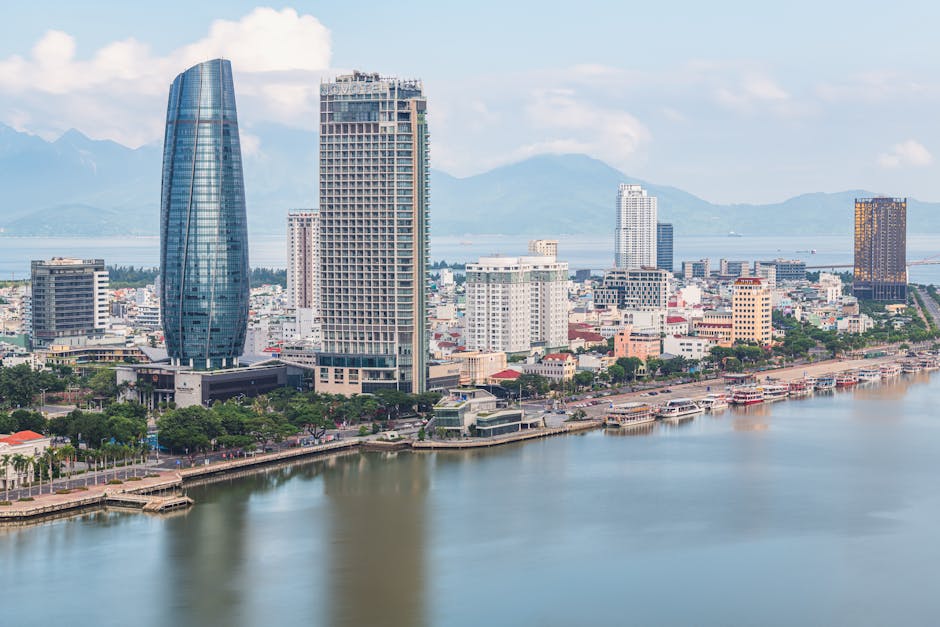
Da Nang has entered the top 1000 cities globally, signaling rapid growth and government-backed initiatives at the Da Nang Hi-Tech Park. Yet, the Central Highlands and northern mountains remain resource-short, with a lack of industry experts and support infrastructure—a gap that represents both risk and upside for targeted talent development programs.
Big Tech Attraction: Mechanisms, Metrics, and Real-World Implications
Cost-Effective Talent and Policy De-Risking: Vietnam’s competitive advantage lies in its ability to offer world-class tech expertise at comparatively lower costs, supported by strong government de-risking mechanisms. Local venture capital has risen to capture 36% of deals (2019), with Singaporean and domestic funds dominating the early-stage pipeline.
Sectors Aligned with Global Trends: Big Tech finds resonance in Vietnam’s eleven strategic sectors, with AI, semiconductors, and green tech at the core. The ecosystem’s focus on climate tech, elderly tech, edtech, and EVs reflects both demographic and technological shifts, and positions Vietnam as a testbed for scalable, impact-driven innovation.
HCMC as a Magnet for Blockchain and Fintech: With blockchain ranking #2 in Southeast Asia, HCMC is a leading destination for finance and logistics innovators. Its $7.5B ecosystem and $4.35B ICT export potential underscore the city’s ability to attract and retain global capital.
Quantified Evidence of Big Tech Interest: Although no direct “Big Tech investments” are recorded in the 2025 snapshot, proxies abound—from Samsung’s semiconductor and green tech plays, to AI’s 8x funding spike and the footholds established by Intel and hyperscalers. These signals are reinforced by government commitments to attracting “tech talent migration,” as affirmed by Prime Minister Pham Minh Chinh.
Emerging Patterns and Tactical Shifts: Accelerators, Funds, and Regional Partnerships
Accelerator Networks: Vietnam’s 11 leading accelerators—spanning from QTSC in HCMC and SIHUB, to VSV and Da Nang Hi-Tech Park—offer structured entry points for global players seeking 20-50% faster scaling. Each program is tailored to regional strengths, enabling business leaders to tap AI, fintech, blockchain, and green sector opportunities with minimal friction.
Venture Funds and Public-Private Synergy: The creation of national and municipal venture funds in 2025 is transforming risk management and capital access for early-stage projects. These funds are co-invested with local VCs, facilitating high returns (20-30% projected) and driving unicorn creation.
Industry Insights: Fintech and edtech remain the ecosystem’s leading segments, followed by biotech (notably Growlab, winner of Techfest 2025). The creative economy, climate tech, and overseas Vietnamese initiatives broaden the market’s appeal and diversify revenue streams.
Comparative Lens: Vietnam vs. Southeast Asian Peers
Differentiating Factors: Vietnam’s growth (19% regional rise, per ADB), market focus, and policy-driven approach set it apart from Indonesia and Singapore, who have historically dominated regional rankings. While Singapore offers regulatory stability and Indonesia boasts scale, Vietnam’s blend of aggressive innovation, talent migration, and sectoral focus positions it as the next contender for regional leadership.
For New Entrants: Investors and corporates unfamiliar with Vietnam’s ecosystem might perceive risks in funding concentration and talent shortages outside HCMC. However, the ecosystem’s maturation, government backing, and accelerator-driven scaling mechanisms mitigate these concerns, offering clear entry pathways and measurable returns.
For Local Decision-Makers: There is growing awareness of the need to balance regional disparities and diversify investments beyond the Southeast, particularly as Central Highlands initiatives promise 50% uplift for talent programs and Da Nang offers 2x growth potential with low competition.
Vietnam’s innovation ecosystem is accelerating toward a Big Tech-ready future: “The next five years will see Vietnam not only attract technology capital, but also cultivate unicorns and scale solutions for Southeast Asia and beyond.” (Vietnam Law Magazine)
Real-World Implications: Opportunities, Risks, and Fast-Track Actions
High-ROI Opportunities: With a projected 25% portfolio growth leveraging the 17.9% ecosystem tailwind, business leaders are advised to prioritize pilots in HCMC (via QTSC and SIHUB), co-invest in municipal funds targeting AI and semiconductors, and tap Hanoi’s Techfest for talent acquisition. Early-stage bets on Da Nang and the Central Highlands offer expansion potential and risk diversification.
Risks and Gaps: Funding concentration (44% in HCMC) and expert shortages in Central regions demand strategic mitigation. Investors are encouraged to diversify beyond the Southeast’s 80% activity share and actively contribute to balancing regional development.
Actionable Accelerators: Applying to Vietnam’s top accelerators (see below) guarantees structured 3-6 month programs, with equity sharing and sector-focused mentorship. The programs—endorsed by industry leaders and government officials—yield 20-50% faster market entry and position companies for exits via local VCs (36% deal share).
Recommended Accelerators:
- Quang Trung Software City (QTSC) – HCMC, 650+ products, $6B revenue.
- Saigon Innovation Hub (SIHUB) – HCMC, 50% startups, VC hub.
- Zone Startups Vietnam – HCMC, Google partners, 100+ alumni.
- Vietnam Silicon Valley (VSV) – HCMC/Hanoi, 500+ startups.
- E27 Hatch! – HCMC/Hanoi, SEA network.
- 500 Startups Vietnam – HCMC, global VC, 50+ exits.
- Do Ventures – Nationwide, $100M fund.
- VinaCapital Ventures – HCMC/Hanoi, $200M AUM.
- Techfest Accelerators – Hanoi, national contests.
- Da Nang Hi-Tech Park – Da Nang, government-backed.
- NSSC Incubators – Hanoi/SE, blockchain/edtech.
Forward-Thinking Insights: What Comes Next?
National Strategy and Unicorn Creation: The December 2025 submission of the National Strategy on Innovative Startups marks Vietnam’s commitment to scaling global impact. By 2030, the target of 3-4 new unicorns in AI, semiconductors, and green tech will redefine both the national and regional innovation landscape.
Regional Balance and Talent Uplift: Filling gaps in the Central Highlands promises a 50% uplift for talent and resource deployment. The collaborative efforts of government, accelerators, and local VCs are setting the stage for sustainable, inclusive growth.
Exit Strategies and Portfolio Multiples: Local VCs hold 36% of deal share, offering 2-3x multiples for successful exits. Investors are encouraged to track ecosystem metrics quarterly and aim for HCMC to break into the global top 100—transforming Vietnam’s standing on the Startup Genome and StartupBlink indices.
Conclusion: Vietnam's Strategic Leap—Ready for Big Tech, Inclusive Innovation, and Regional Leadership
The real story of Vietnam’s startup ecosystem is not simply one of numbers or rankings. It is the tale of a country that has engineered its own recovery, leveraged policy innovation, and made itself indispensable to both regional and global tech players. As HCMC, Hanoi, and Da Nang drive the narrative, the ecosystem’s maturity, sectoral diversification, and accelerator networks offer business leaders a blueprint for entering—and thriving—in Southeast Asia’s most dynamic market.
In the next decade, Vietnam will not only attract capital and cultivate unicorns; it will serve as the launchpad for scalable solutions that address climate, talent, and technology challenges across Southeast Asia. The nation’s policy-driven, accelerator-powered approach is its greatest asset—and the strategic importance of Vietnam for Big Tech, investors, and corporates cannot be overstated.
For those poised to act, the time is now: prioritize pilots in HCMC, leverage accelerator networks, and engage with the National Strategy for long-term advantage. The data, the vision, and the execution are all in place—Vietnam’s innovation engine is ready to redefine the region.