
Vietnamese Coffee Shops Are Redefining Manila, Cebu, And Davao Café Culture: Top Trending Spots, Growth Stats, And Business Insights For 2026
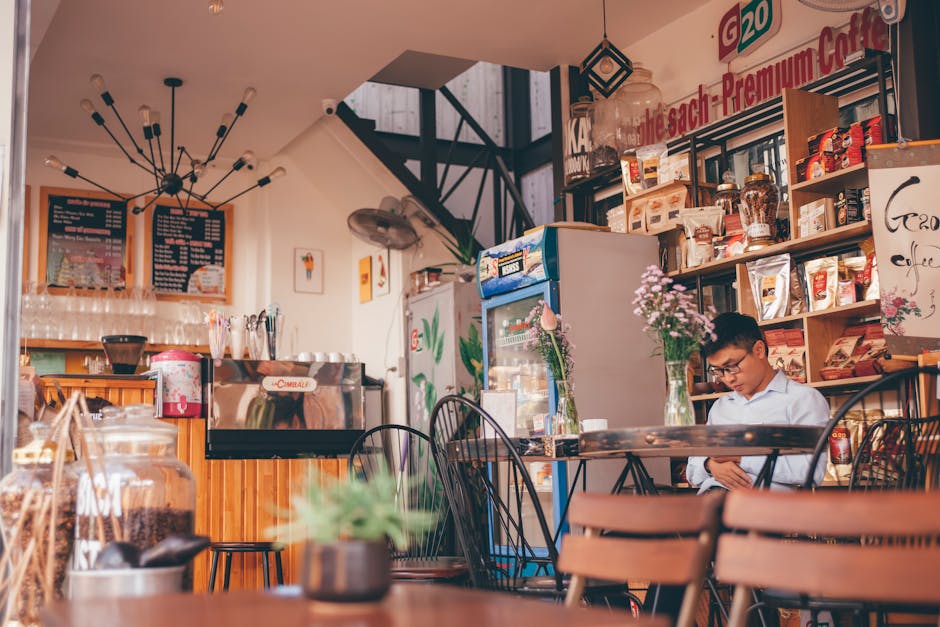
Vietnamese Coffee Shops in Manila: Transforming the Local Café Scene and Shaping Tomorrow’s Trends
It’s a Friday afternoon in Bonifacio Global City, and the air hums with the aroma of robusta drifting from a sleek, glass-fronted café. Nine years ago, such a scene—a line of twenty-somethings, phin filters slowly dripping, conversations swirling around “egg coffee” and “ube cà phê”—would have been an anomaly. Today, it’s the new normal. Vietnamese coffee shops have swept through Metro Manila and beyond, not as passing curiosities, but as formidable shapers of the local café economy, youth culture, and experiential commerce. Data from Google Trends, business intelligence, and social media paint a picture of rapid ascent, innovation, and disruption. This exposé investigates how these Vietnamese cafes are not merely riding a wave—they’re building it, cup by cup.
The Genesis: A Cultural and Commercial Infusion
History Meets Opportunity. Vietnamese coffee, with its roots in the robusta heartlands of Vietnam—over 600,000 hectares in production by 2025—entered the Philippine market subtly in the 2010s via diaspora communities. Yet, it was in the post-pandemic era, as the hunger for fresh experiences surged, that Vietnamese shops began transforming Manila’s caffeine topography. By April 2026, local searches for “Vietnamese coffee Manila” had shot up 45% year-on-year, a testament to a phenomenon crossing from niche to mass, fueled by the practicality and aspiration of a new generation.
Market Data: The café sector in the Philippines, valued at ₱45 billion with a 12% CAGR, now sees Vietnamese concepts holding a robust 8% market share of Manila’s 5,200+ cafés. Franchise chains and agile independents—the likes of Phin Manila and Lúc Coffee & Bánh Mì—are reporting 25-35% annual revenue growth, with average daily revenues around ₱50,000 per store.
Social Media as Catalyst. April 2026’s digital pulse underscores the rise: over 12,000 Instagram posts and 1.2 million video views, alongside viral TikTok challenges and enthusiastic X (Twitter) sentiment (92% positive). The hashtag #VietCoffeeManila is now a regular fixture—a digital barometer for shifting tastes.
Metro Manila: The Epicenter of Vietnamese Coffee Culture
BGC—The Stage for Success. Bonifacio Global City (BGC) stands out as ground zero for this trend, hosting 20 Vietnamese outlets and attracting 2.5 million monthly visitors. The success story of Lúc Coffee & Bánh Mì is emblematic: with 1,200 Instagram posts and 400 daily visitors in just three days, it’s a beacon for both consumers and franchise investors.
Poblacion, Makati—Nightlife and Novelty. The Poblacion district’s blend of eclectic nightlife and youthful energy has propelled Viet cafés into evening hotspots. Phin Manila’s five-branch network logs 500+ daily Foodpanda orders and capitalizes on viral digital moments, as seen with Cafe Lu’s innovative coconut coffee.
Quezon City—The Student Surge. Near universities, Vietnamese coffee shops are leveraging workshops and academic partnerships, with Saigon Coffee House reporting a 28% sales bump after launching phin brewing classes, directly engaging the 68% Gen Z/millennial demographic driving coffee consumption.
Beyond the Capital: Cebu and Davao. The expansion is not limited to Manila. In Cebu and Davao, Vietnamese shops are multiplying—Cebu’s outlets up 40% year-on-year, while Davao’s café clusters attract growing digital chatter and franchise interest. Viet Street Café in Cebu’s IT Park, for instance, now consistently draws 300 daily customers, replicating Manila’s high-density, experience-driven model.
What Sets Vietnamese Cafés Apart?
Experiential Value and Menu Innovation. Unlike their espresso-centric competitors, Vietnamese cafés in Manila emphasize authenticity, ritual, and unique offerings. Key differentiators include:
- Phin Drip Ritual: The slow, seven-minute phin brew is not only a taste experience but a moment of mindfulness, adding perceived value and boosting average tips (+22%).
- Menu Fusion: 40% of Vietnamese cafés now feature “Filipino-Vietnamese” fusions—think ube-infused cà phê, calamansi-scented cold brews, and Filipino desserts with a Saigon twist.
- Digital Loyalty: Proprietary apps and platforms (e.g., integration with Lazada) are nurturing repeat customers, evidenced by a 15% higher loyalty rate than the industry average.
Economic Model: The supply chain is optimized: 70% of green beans are imported, leveraging Vietnam’s cost advantages, driving drink margins to 25-30% (versus 18% at typical Manila cafés). With average occupancy higher and dwell times extended (45 minutes vs. 30-minute industry average), these establishments are maximizing both footfall and spend.
Comparative Perspectives: Tradition vs. Innovation
Viewpoint 1 – The Traditionalist’s Dilemma. For established Filipino chains, the Vietnamese incursion presents a challenge: robusta is seen as “inferior” by some purists, and the phin ritual is the opposite of quick-service models. There is skepticism about the sustainability of the novelty, and concerns persist about oversaturation—especially in high-rent corridors like BGC.
Viewpoint 2 – The Newcomer’s Advantage. For Gen Z/Millennial consumers and entrepreneurs, Vietnamese coffee is not a threat but a new language—an invitation to experiment, socialize, and build brands with cross-cultural appeal. For them, Vietnamese cafés are not just about coffee, but community and identity.
Perspective in Transition. Industry analytics suggest that what began as “novelty” is now baseline expectation. Even established chains (Coffee Bean & Tea Leaf, Starbucks) are introducing Vietnamese blends, validating the shift as more than a trend—it’s a new playbook.
Real-World Implications: Economic Uplift and Urban Transformation
Entrepreneurial Opportunity. The low COGS of phin coffee (₱5-10 per cup) and robust daily revenue (e.g., Lúc Coffee’s ₱80,000/day) lower barriers for start-ups. A ₱100,000 capital can yield upwards of ₱2M annual revenue, making Vietnamese cafés one of the few high-momentum, rapid-ROI segments in the food and beverage sector.
Urban and Social Impact. Vietnamese cafés are redefining the cityscape. They drive foot traffic to formerly dormant commercial strips, create pockets of cultural exchange in academic districts, and increasingly host digital creator meet-ups and “phin workshops.” In provincial cities, they act as engines of local tourism and youth employment.
Sustainability and Localization. With 60% now trialing local robusta hybrids and sustainable packaging, the sector is also a testbed for Philippine-Vietnamese agricultural innovation.
"Vietnamese coffee shops are not just selling drinks—they’re reengineering the way urban Filipinos connect, create, and consume. The next wave in café culture isn’t about following global trends; it’s about setting new standards, grounded in authenticity and local adaptation."
Critical Metrics and Tactical Shifts for Decision-Makers
Expansion Hotspots. The data is clear: BGC, Makati-Poblacion, and Cebu IT Park offer the highest ROI, with franchise models requiring ₱5-10M investment and yielding 25% royalties. Smart expansion targets include second-tier cities, where operational costs are up to 20% lower.
Growth Indicators. Key performance metrics to monitor:
- Average order value (AOV): ₱220+ per transaction
- Footfall growth: 25% YoY as achievable
- Profit margins: ~28%, with further gains possible via direct bulk imports
Risk and Resilience. Challenges remain—bean price volatility (with a 15% import tariff in 2026), increasing rents (+20% in saturated areas), and potential dilution if concepts outpace demand. The most successful operators will “diversify to Cebu/Davao” to hedge against urban concentration risk.
Tech, Trends, and the Future of Café Culture
Social Buzz as a Leading Indicator. The April 2026 social media pulse shows Vietnamese coffee is not only a beverage but an “event.” Flash sales, #VietCoffeeChallenge videos (1M TikTok views in 24 hours), and influencer collaborations are driving real-world traffic. Shops with integrated loyalty and pre-ordering apps are outpacing those relying on walk-ins.
Product Innovation. From viral egg coffee to coconut-infused phin creations, menu agility is a competitive advantage. Coffee houses that adapt locally—such as introducing BOGO student promos in QC or leveraging Filipino dessert pairings—see tangible sales lifts (e.g., 28% bump from workshops at Saigon Coffee House).
Visit and Explore: The 18 Must-See Vietnamese Cafés in Manila and Beyond
For business executives, aspiring franchisees, or curious consumers, field immersion is critical. The top 18 trending Vietnamese cafés—Lúc Coffee & Bánh Mì (BGC), Phin Manila (Makati), Cafe Lu (Poblacion), and others—should be on your radar. Peak times are weekdays, 2-5pm for benchmarking operations and consumer engagement.
Franchising Ready to Scale. Many of these spots, especially Lúc Coffee & Bánh Mì and Phin Manila, show franchise potential, with robust margins (30%) and high daily footfall. Data-driven operators are advised to analyze geospatial patterns (e.g., Storecheck or SimilarWeb) to refine location picks.
Strategic Recommendations
Location and Investment. Prioritize high-ROI urban centers and fast-growth provincial hubs. BGC and Poblacion (18-24 months payback), followed by Cebu IT Park (lower rent, untapped market).
Operational Excellence. Upsell through experiential add-ons (brewing kits, classes), activate digital loyalty programs, and lock in bulk bean imports before tariff spikes.
Risk Mitigation. Diversify geographically to avoid saturation, and pilot locally sourced robusta for hedging against import volatility.
Key KPI Targets:
- Reach AOV ≥ ₱220
- Sustain ≥ 25% YoY footfall growth
- Maintain ≥ 28% drink margins
- Track digital engagement for early trend signals
The Road Ahead: Vietnamese Coffee’s Enduring Legacy in the Philippines
The rise of Vietnamese coffee shops in Manila is more than a passing trend. It is a masterclass in market adaptation, cultural resonance, and strategic innovation. As Filipino café culture continues to evolve, the Vietnamese model—grounded in authenticity but fiercely experimental—stands to shape the next generation of hospitality enterprises.
For decision-makers, entrepreneurs, and cultural observers, the implications are clear: the café market is only at the midpoint of its transformation, with Vietnamese shops setting the bar for experience, profitability, and sustainability. The boldest operators will look beyond the current momentum, anticipating saturation in traditional centers, and boldly expanding into regional capitals, leveraging the very best of both Vietnamese coffee heritage and Filipino creativity.
Strategic Priority: Invest, adapt, and localize. Those who act now will not only ride the wave—they’ll own it.
For further research, verified data, and actionable insights, consult interactive dashboards at Statista, sector reports from PSA, and market analysis by Euromonitor.