
Why Business Leaders Should Visit Hibiscus White Coffee (HWC) In Bình Thạnh, Ho Chi Minh City: Innovative Drinks & Market Insights For Vietnams Evolving Cafe Scene
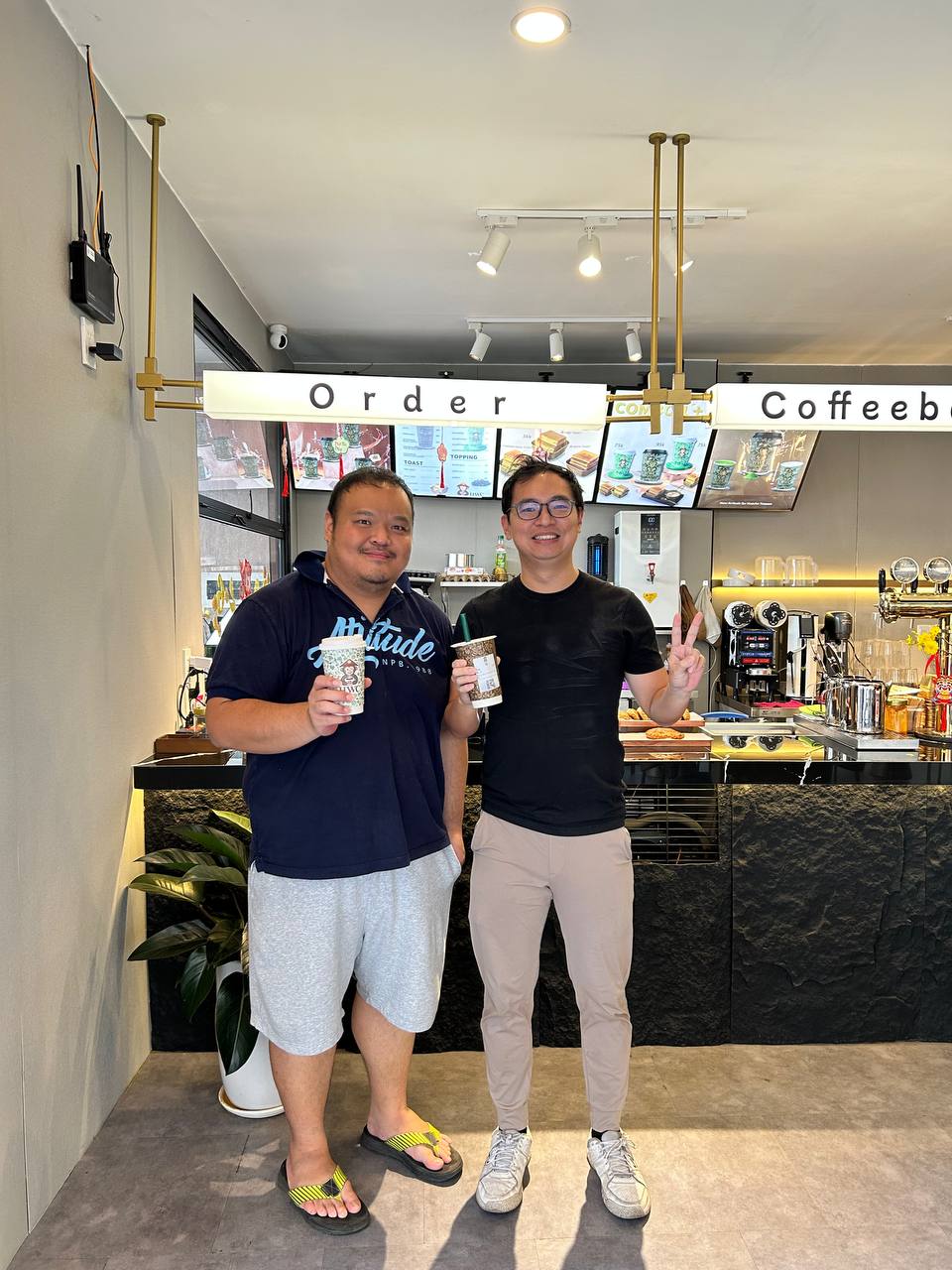
Hibiscus White Coffee: A Case Study in Vietnam’s Specialty Cafe Surge and Business Innovation
Vietnam’s coffee culture is at a historic crossroads—a dynamic shift shaped both by centuries-old robusta traditions and a new wave of inventive, globally inspired specialty drinks. In Ho Chi Minh City’s energetic Bình Thạnh district, Hibiscus White Coffee (HWC) emerges as a microcosm of this transition. Situated at 244 Điện Biên Phủ and serving high-traffic areas via GrabFood, HWC is more than a cafe; it’s a reflection of Vietnam’s evolving commercial landscape, where market forces, digital integration, and consumer sophistication intersect.
This article investigates HWC’s role as a strategic venue for business decision makers, exploring the real-world implications of menu innovation, operational tactics, and sector-wide trends. By analyzing data, culture, and practical strategies, we reveal how specialty cafes shape Vietnam’s future while challenging traditional paradigms.
The Evolution of Vietnam’s Coffee Sector: From Phin to Innovation
Historical Roots and Industry Scale: Vietnam’s coffee story begins in the Central Highlands—regions like Tay Nguyen and Buon Me Thuot produce the bulk of global robusta exports. By 2024, Vietnam's coffee sector generates billions annually, making it a world leader alongside Brazil (industry background). Local cafes, from bustling city spots to serene riverside venues, anchor this tradition. But as urban populations explode (10M+ in Ho Chi Minh City alone), a surge of specialty shops challenges the status quo, offering experiences as much as beverages.
Third-Wave Cafes and Consumer Transformation: The last decade witnessed the rise of “third-wave” coffee—characterized by pour-over, AeroPress, and farm-to-cup transparency. Hanoi and Da Nang set early benchmarks; now, Saigon’s District 1 and Bình Thạnh districts teem with innovative venues like Ta Cà Phê 3, VULAB, and internationally branded chains (current trends). For business leaders, these cafes have become hotspots for networking, dealmaking, and client engagement, blending views, vibes, and craft brews.
Emerging Beverage Patterns: Consumer appetites have shifted dramatically. Beyond espresso and cold-drip, there’s demand for non-caffeinated refreshments—hibiscus teas, floral infusions, and yogurt-based drinks. The Instagram generation seeks novelty, both for health and social visibility, making menu innovation a tactical imperative. HWC’s signature hibiscus white coffee exemplifies this—marrying floral refreshment with creamy Vietnamese white coffee for a drink that stands out in crowded feeds and traditional palettes alike.
HWC’s Business Strategy: Leveraging Location, Delivery, and Menu Innovation
Prime Location and Accessibility: HWC’s placement at 244 Điện Biên Phủ, Phường 17, Bình Thạnh, is no accident. It sits at the confluence of commercial transit routes, near District 1—the city’s business epicenter. This proximity makes HWC a preferred site for both informal networking and formal client meetings, a valuable asset in a city where face-to-face interaction remains central.
Digital Integration and Delivery Scalability: Recognizing post-2020 shifts, HWC integrates seamlessly with digital platforms—most notably GrabFood. Delivery coverage in Binh Thanh and District 1 meets high demand, ensuring office workers and event organizers have access to specialty drinks with real-time tracking and contactless options. This operational tactic is scalable, supporting not only retail but B2B partnerships, and reflecting the broader digital surge across Vietnam’s F&B sector.
Menu Innovation as Market Differentiator: The hibiscus white coffee, HWC’s flagship, represents a calculated response to evolving tastes. Vietnam’s third-wave cafes are known for floral teas, but few combine them with the creamy, sweet profile of white coffee. This drink appeals to health-conscious consumers and the Instagram-hungry demographic, offering both visual allure and unique flavor. Comparative venues like Space 13, % Arabica, and Hoi An Roastery focus on ambiance; HWC’s innovation is product-centric, aiming to build a differentiated brand in a saturated market.
Comparative Analysis: HWC vs. Traditional and Global Brands
Traditional Vietnamese Cafes: Legacy establishments rely on robusta phin brews and price accessibility. Their volume-driven model anchors the industry but limits innovation and premium positioning. Café Dinh, for instance, attracts with historic ambiance but rarely experiments beyond egg coffee.
Global Chains and Urban Specialty Cafes: International brands like % Arabica or Starbucks have introduced espresso-based menus and digital payment, but often lack local flavor. In contrast, Vietnamese third-wave shops (Ta Cà Phê 3, VULAB) and HWC blend global technique with regional identity—pour-overs, farm-to-cup sourcing, and floral infusions. What differentiates HWC is its focus on menu novelty and scalable delivery, instead of solely ambiance or bean provenance.
Digital Operations and Consumer Reach: HWC’s GrabFood integration is a tactical edge. While competitors may offer delivery, few employ real-time tracking and contactless ordering at scale. This not only boosts convenience but enables business customers (e.g., offices, event planners) to coordinate bulk orders, enhancing efficiency and reducing friction—an essential capability as Vietnam’s business landscape digitalizes rapidly.
Real-World Implications: Business Decision Makers and Sectoral Impact
Site Assessment and Strategic Partnerships: For business leaders, a visit to HWC is more than a social outing—it’s a reconnaissance opportunity. Bình Thạnh’s high foot traffic allows direct evaluation of consumer flow, staff efficiency, and menu scalability. As proven by comparable spots, uniquely crafted drinks enjoy strong local uptake, making HWC ripe for partnerships or investment.
Market Expansion and Chain Potential: Vietnam’s coffee consumer base is massive—8M+ in Hanoi, 10M+ in Ho Chi Minh City. As specialty drinks gain traction, venues like HWC are well-positioned for expansion. While chain growth is not yet headline news, the sector’s digital maturity (e.g., GrabFood ops) and consumer openness suggest a path toward scalable franchise models, especially in urban commercial districts.
Digital and Delivery-First Models: The pandemic accelerated demand for contactless, efficient ordering. HWC’s adoption of GrabFood is not just a convenience—it’s a strategic lever, supporting both consumer and corporate segments. As seen in the rise of chains like KatinaT Coffee, digital-first strategies are becoming the norm, offering resilience against shifting market conditions.
Innovation and Consumer Trends: The increasing demand for non-caffeinated, visually striking drinks highlights a deeper shift: consumers expect novelty and wellness in every cup. HWC’s hibiscus white coffee meets this demand, positioning the brand as both a trendsetter and a strategic asset for partners seeking to capitalize on Vietnam’s cafe boom.
“Innovation in menu and digital delivery is not just a consumer trend—it’s a strategic imperative for Vietnam’s cafe sector. Specialty cafes like HWC are leading the way, blending local tradition with forward-thinking operations and scalable models.”
Forward-Thinking Insights: Anticipating the Next Wave
Blending Tradition and Technology: HWC and similar venues signal a future in which technology-powered convenience meets flavor innovation. As consumer tastes diversify and digital infrastructure deepens, the boundary between retail, B2B, and experiential hospitality blurs.
Scalability and Franchise Opportunity: The success of HWC’s hibiscus white coffee and digital delivery model points toward a viable template for scaling—both in Vietnam’s major cities and potentially abroad. By focusing not only on product but also on digital customer experience, HWC stands out among peers.
Sector-Wide Recommendations: For business decision makers, the key is to prioritize site visits, assess digital and operational scalability, and pursue partnerships or investments that leverage both menu innovation and digital logistics. As third-wave trends expand, aligning with specialty venues offers differentiated value in Vietnam’s competitive market.
Comparative Perspectives: New viewers, especially those from global markets, may see HWC as an anomaly—floral coffee, delivered digitally. But in Vietnam, such innovation reflects a deeper readiness to experiment, fueled by urban growth, consumer sophistication, and digital adoption. The challenge and opportunity is translating this agility into sustainable growth and cross-market relevance.
Conclusion: Strategic Value and Future Trajectory
Vietnam’s specialty cafe scene—embodied by Hibiscus White Coffee (HWC)—is not only a testament to cultural dynamism, but a strategic frontier for business innovation. As consumer trends favor novelty and digital convenience, venues that balance tradition with forward-thinking operations lead the market. For business leaders and investors, HWC represents a microcosm of this evolution: prime location, menu innovation, and delivery scalability converge to offer both tactical and long-term value.
Looking ahead, the trajectory is clear. Cafes that embrace digital-first models, experiment boldly with menu concepts, and optimize site accessibility will dominate Vietnam’s urban landscape. HWC’s success signals the rise of scalable, differentiated chains—poised to capture both local loyalty and regional expansion. To stay ahead, business decision makers must act now: visit, assess, and partner with specialty venues shaping the future of Vietnamese hospitality and commerce.