
Year Of Climate Adaptation 2026: 7 Smart Ways Singapore Households Can Protect Their Home, Helper & Wallet
How Singapore’s “Year of Climate Adaptation” Will Transform Household Management in 2026
Published: June 2024
Singapore is entering a defining moment for household management. The government’s official designation of 2026 as the “Year of Climate Adaptation” brings bold new policies and funding that will reshape home life for families, helpers, and property owners in condominiums, private landed estates, and HDB flats. The impact is far-reaching: it touches how you cool and protect your home, the way you manage helpers, control utility and insurance costs, and even the food on your table.
This article explores key trends, practical strategies, and recommendations for Singapore-based household decision-makers—those who want to optimize costs, future-proof their living spaces, and find maid in Singapore who can adapt to evolving needs. Whether you’re in charge of a busy condo, a multi-generational landed home, or a high-rise HDB flat, these insights will help you stay ahead in a changing climate ecosystem.
Key Trends and Strategies for 2026: The New Household Management Landscape
“Heat Resilience” Becomes Essential
In recent years, Singapore’s heat index has reached new highs, with “feels like” temperatures regularly pushing beyond 37°C (MSE – Year of Climate Adaptation official page). The 2026 adaptation agenda elevates heat management from a minor annoyance to a core public health and urban-planning concern. This is especially relevant for those hiring or planning to find maid in Singapore for childcare, eldercare, or domestic support.
- Demand for air-conditioning will surge, impacting utility bills and the wear-and-tear of household appliances. For landlords, this means re-evaluating maintenance schedules and possibly upgrading to energy-efficient, 5-tick inverter systems.
- Helpers, children, and elderly face higher risks: Households must train helpers in heat-safe cleaning routines, ventilation techniques, and hydration practices to shield vulnerable members.
- Community initiatives on cooling—from shaded communal areas to greenery retrofits—are eligible for government support via the SG Eco Fund climate adaptation package.
Flood and Water Resilience Takes Center Stage
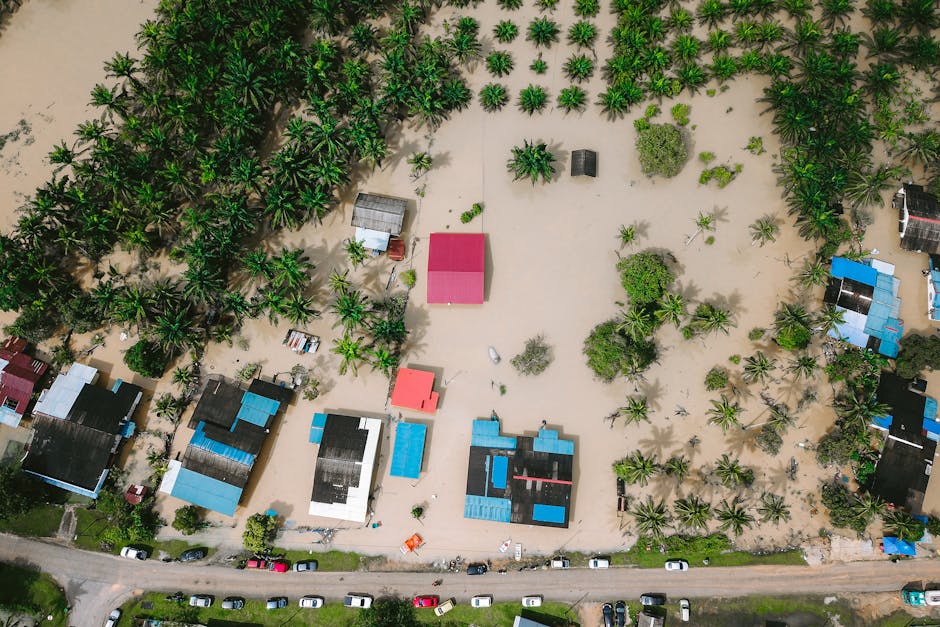
More frequent intense rainfalls are increasing the risk of localized flash floods, especially for ground-floor and landed homes. The government’s long-term strategy includes new dykes and upgraded tidal gates by the 2030s (Straits Times summary). In the meantime, immediate actions are vital.
- Home content and flood insurance become non-negotiable—especially for units with basements or near vulnerable drainage.
- Simple flood-prevention upgrades such as door sweeps, leak sensors, and waterproof storage can minimize costly damages.
- Active residents’ committees can tap the SG Eco Fund for upgrades like permeable pavements, rain gardens, or smart water sensors.
Food Resilience: The Local-Produce Revolution
With expanded funding for local farms and improved seafood supplies (notably red snapper, shrimp, and grouper), Singapore is streamlining its food security (Straits Times overview).
- Households will see more “buy local” cues in groceries and meal kits—helping buffer against price shocks and supply disruptions.
- Helpers play a key role: Educating them on identifying, sourcing, and storing local fish and produce amplifies both savings and sustainability.
Utilities, Appliances, and Financial Health
The shift to energy efficiency intersects with Singapore’s net-zero ambition and upgraded green infrastructure. Households are strongly incentivized to upgrade appliances, review MCST (condo) or town council-led retrofits, and take advantage of potential rebates or lower tariffs for reduced consumption.
- Comparing old versus new energy-efficient models can yield long-term savings—practical guides and promotions will matter more than ever.
- Budget-conscious owners should understand how estate-level green upgrades may affect MCST sinking funds or future maintenance fees.
SG Eco Fund: The Actionable Lever for All Households
The SG Eco Fund’s S$5 million climate adaptation package (2026–2028) covers up to 90% of project costs for heat, flood, water, and local-produce initiatives. Applications are open year-round, giving condos, private estates, and HDBs a tangible path to community-level upgrades.
- Helper engagement is encouraged—helpers can contribute to community gardens, water-saving drills, and estate recycling programs, positioning them as valuable partners in building resilience.
- MCSTs, RCs, and even informal parent/helper groups can initiate and lead these projects, turning adaptation into a shared, empowering effort.
State and Recommendations: Action Points for Households and Agencies
- Upgrade Critical Appliances: Prioritize 5-tick air-cons, smart fans, and inverter fridges. Leverage promotions and rebates for energy savings.
- Enhance Helper Training: Implement routines for heat safety, flood readiness, and local grocery shopping. Use checklists for hydration, cleaning, and emergency response.
- Review & Expand Insurance: Compare policies that specifically cover climate risks—especially home contents and flood damage. Don’t rely solely on basic HDB Fire Insurance.
- Participate in Community Funding: Work with your MCST or RC to tap the SG Eco Fund for estate-wide upgrades. Engage helpers and residents in planning and maintaining green solutions.
- Buy Local, Eat Sustainable: Shift at least 20% of grocery spending to local produce, leveraging curated meal kits or retailer bundles where possible.
- Promote Find Maid in Singapore Solutions: Agencies and platforms should offer training modules, digital guides, and resources focusing on heat/flood safety, green housekeeping, and efficient shopping as add-on services.
Summary Comparison Table: Household Hiring, Helper Management & Service Choices
| Criteria | Live-in Helper | Part-time Helper | First-time Helper | Experienced Helper | Cultural Fit | Skill Depth vs Attitude | Premium Services | Standard Services | Agency Hire | Direct Hire | Contract (2 years+) | Trial Mindset |
|---|---|---|---|---|---|---|---|---|---|---|---|---|
| Suited for (Home Type) | All, esp. landed & condos | Condos, flats, singles | HDB/condos new to helpers | Landed, large condos | Key for multi-gen homes | Skill–landed/elderly, Attitude–all | Private; specialized tasks | Routine tasks; public housing | First-timers, risk-averse | Families with prior experience | Stability, planning | Flexibility, cost control |
| Challenges | Privacy, cost, regulation | Scheduling, turnover | Adjustment, supervision | Higher salary, expectations | Communication, holidays | Training required for depth | Higher costs, agency fees | Limited scope, less continuity | Higher upfront cost, guarantee | Screening & legal risks | Less flexibility | Learning curve, frequent hiring |
| Opportunities | 24/7 care, flexibility | Lower cost, niche needs | Cost savings, custom training | Trusted, can train others | Long-term harmony | Tailored upskilling | One-stop, bundled value | Low commitment entry | Service guarantees | Direct savings | Continuity, trust-building | Responsive, adaptive |
Segmentation by Home Type: Challenges and Opportunities
Condos (MCST-managed)
- Challenges: Coordinating estate-wide retrofits, balancing MCST fees with green upgrades, building participation in SG Eco Fund projects.
- Opportunities: Bulk procurement for appliance upgrades, shared cooling/greening projects, recruiting helpers into community sustainability roles.
Private Landed Property
- Challenges: Higher flood risk (basements), costly cooling needs, fragmented approach to adaptation, helper training for large compounds.
- Opportunities: Custom rain/flood prevention, in-house edible gardens, higher flexibility to “find maid in Singapore” for specialist roles (elderly care, gardening).
Public Housing (HDB)
- Challenges: Limited space for greenery/cooling retrofits, dependency on town council upgrades, limited insurance by default.
- Opportunities: Access to mass-market rebates, SG Eco Fund for RC-led projects, common corridor gardens, group buying for efficient appliances.
Comparison Segment
- Condos enjoy estate scale and central management, enabling fast adoption of government-funded retrofits, but must consider collective agreement and MCST costs.
- Private homes face greater individual risk but also have maximal control and opportunity for innovation—ideal for owners who want to pilot new resilience solutions.
- HDBs benefit from coordinated programs and affordability but may lack flexibility; group action through RCs and bulk buying are the best levers.
"2026 is when climate adaptation becomes a household cost-of-living, comfort and safety issue – and there’s government money plus smarter products you can use to get ahead of it."
Conclusion: Why 2026 Is a Strategic Turning Point—and What’s Next
Singapore’s “Year of Climate Adaptation” is not just another policy milestone; it’s a call to action for every household manager, property owner, and those seeking to find maid in Singapore who can adapt to an evolving world. The confluence of new government funding, targeted incentives, community empowerment, and a focus on helpers’ roles makes this the perfect moment to invest in smarter, safer, and more resilient home environments.
Looking ahead, we can expect rapid growth in the ecosystem of heat- and flood-resilient products, smarter home insurance plans, and a market for helpers trained in sustainability best practices. As SG Eco Fund projects accelerate and “buy local” food options expand, households will have greater tools to balance cost, comfort, and safety.
The strategic priority for every Singapore household in 2026 is to treat climate adaptation as a financial and quality-of-life imperative—partnering with agencies, helpers, and community leaders to build homes that are truly future-ready.
In the years ahead, the most successful families and property managers will be those who anticipate change, act early, and leverage every offer—creating homes where everyone, from toddlers to maids to seniors, thrives no matter what the weather brings.