
Year-Round Skincare Routine For Manilas Humidity And UV: Expert Tips, Best Products, And Business Insights For The Philippines
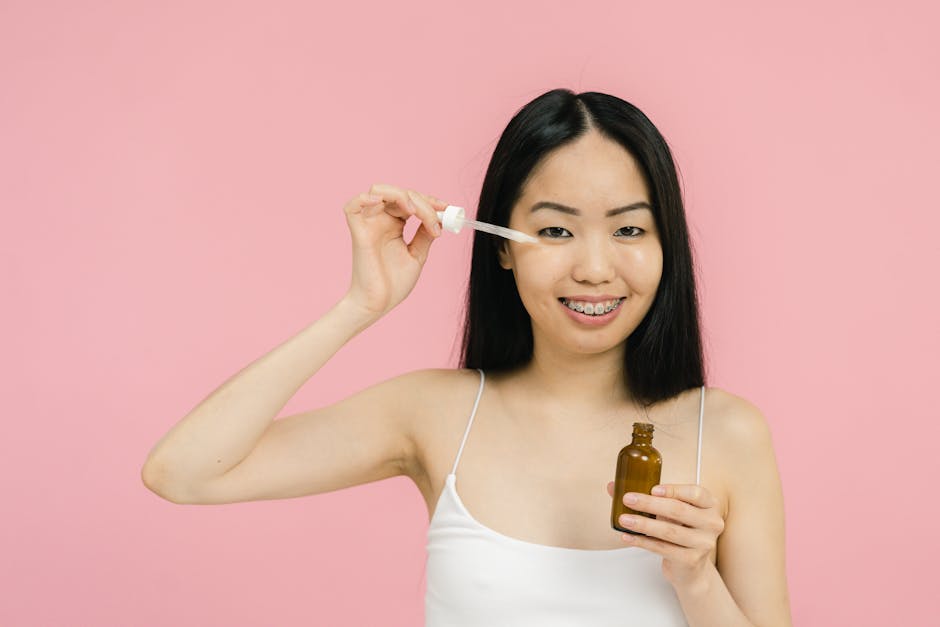
The Manila Skincare Imperative: Navigating Humidity, UV, and Business Opportunity in the Philippines
Beneath the undulating heat of Manila’s sun, the Filipino skin care market has evolved not by preference, but by environmental necessity. The archipelago’s proximity to the equator subjects its urban millions to relentless humidity and some of the planet’s most punishing year-round UV exposure. Yet, for decades, global brands and even some local operators treated Metro Manila as just another “Asian market”—overlooking its uniquely tropical, hyper-humid reality. Today, new data, shifting routines, and smarter category strategies are redefining what it means to win in this $500M+ skincare arena. Executives, brand teams, and category managers who grasp this Manila-first logic are already outpacing slow adopters—because in the Philippines, climate isn’t just context; it’s the primary driver of behaviors, routines, and buying decisions.
The Manila Climate: The Unforgiving Backdrop Shaping Consumer Skin
Equatorial UV and Relentless Humidity—A Twin Challenge
Metro Manila sits a mere 14 degrees north of the equator, creating a UV index that regularly spikes to 11–12+ between 10 AM and 2 PM (Beauty MLN). This isn’t just a summer phenomenon; it’s the permanent backdrop for millions of daily commutes and routines. Add 70–90% relative humidity for much of the year, and the result is skin that produces excess oil and sweat, mixes with pollution, and rapidly clogs on contact with makeup or heavy creams (Modern Filipina). The implication? The Filipino consumer’s core needs—and product loyalties—are fundamentally shaped by this climate.
Operational Implication: SPF is Not Seasonal
While seasonal sunscreen spikes drive Western markets, the Philippines is a “permanent SPF” environment. Even in the rainy season, UV rays penetrate clouds and remain potent, demanding year-round vigilance (SkinMD Philippines). As a business, ignoring this reality invites irrelevance.
The Core Routine: Simplicity Over Excess, Science Over Tradition
Less is More (But Only If It Works)
A cross-section of dermatologist guides, brand recommendations, and real-world consumer behaviors points to a shockingly consistent year-round routine for Manila: gentle cleansing, lightweight hydration, broad-spectrum sunscreen, and as-needed exfoliation. Gone are the days when multi-step, heavy-feel regimens set the pace; now, simplicity, climate-fit, and high-utility SPF win customer loyalty. Recommended routines begin with a gentle foaming or micellar cleanser—never harsh soaps—followed by lightweight, gel-based moisturizers packed with actives like hyaluronic acid or niacinamide, and a daily, broad-spectrum sunscreen (SPF 50+ preferred, always reapplied outdoors) (Cetaphil Philippines).
The Category Rule: No Skipping Sunscreen
Every source agrees: daily sunscreen is not optional, regardless of skin tone, gender, or age. The data is clear. UV-related skin aging, pigmentation, and heightened risk of skin cancers impact every socioeconomic tier. Smart brand teams are treating SPF not as a mere “add-on,” but as the portfolio anchor—backed by messaging that normalizes year-round, two-hourly reapplication when outdoors.
Emerging Product Architecture: Winning in the Humid, UV-Intense Market
Cleansers: Gentle, Frequent, Sulfate-Free
Twice-daily cleansing—morning and night—is considered non-negotiable in urban Filipino routines. Consumers increasingly seek out sulfate-free gels, foaming washes, or for sensitive skin, micellar water. Stripping the barrier is a common consumer fear; thus, fragrance-light or fragrance-free options are outperforming harsh cleansers and heavy cream-based formulas.
Moisturizers: Weightless Hydration, Never Oily
The pervasive myth that “oily skin doesn’t need moisturizer” has been firmly debunked by local dermatologists and content creators alike. The optimal fit? Water-based gels or emulsions with niacinamide, glycerin, or panthenol, and oil-free claims. Humidity may flood the skin surface, but with 24/7 air-conditioning widespread in offices and malls, transepidermal water loss remains a silent threat—even for oily types.
Sunscreens: SPF 50+, Broad-Spectrum, and Texture Innovation
The most competitive brands are introducing featherweight lotions, hydrating fluid gels, and mineral sunscreen formats for sensitive or acne-prone skin (Beauty MLN). SPF 50 is swiftly becoming the consumer expectation, not just a premium upgrade. Water resistance, non-shiny finish, and “no white cast” are key selling points.
Exfoliants: Strategic, Mild, and Always Optional
Over-exfoliation and layering harsh actives are discouraged. Instead, once or twice weekly use of salicylic acid (for congestion, oil control) or lactic acid (for smoothing) is recommended, with azelaic acid as a go-to for redness and pigmentation post-acne. Physical scrubs and daily acid toners are rapidly falling out of favor.
Comparative Perspective: What Sets Manila Apart?
Seasonal Routines vs. Year-Round Defensiveness
In Western and temperate Asian markets, skincare messaging still hinges on winter dryness, summer sun, and seasonal pivots. Contrast this with the Filipino market’s unwavering year-round needs: oil, sweat, and UV exposure never let up. That means high-frequency purchases of cleansers and sunscreen, limited demand for rich creams, and an aversion to products that feel “heavy” or “sticky.”
Texture Innovation: Learning from Korea, Reformulating for Manila
K-beauty’s impact on the region is undeniable, but Filipino consumers now demand K-inspired formulas that account for hyper-humidity—water creams, fast-absorbing serums, gel sunscreens—rather than glass-skin layering or overnight sleeping masks. Local brands that tune directly into this reality are rapidly gaining share.
Permanent SPF Education: From Luxury to Daily Hygiene
Elsewhere, sunscreen remains a cosmetic—something for the beach, fair-skinned, or affluent. In Manila, there’s a perceptible shift: SPF is recoded as a daily hygiene step, essential for everyone. Smart category managers are leveraging this to drive cross-category bundling and normalize “SPF top-ups” with purse-sized formats and public education.
Real-World Implications: Business, Retail, and Messaging Shifts
Portfolio Design: From Rich Creams to Oil-Control and Barrier Repair
The days of anchoring ranges with thick night creams or multi-layered luxury regimens are waning. Brands winning in the Philippines are building from the ground up: gentle cleansers, gel moisturizers, and SPF-forward innovation. Barrier repair—once the territory of affluent, mature consumers—is now reframed in lightweight formats for all skin types.
Retail Merchandising: Category Cross-Promotion and Shelf Messaging
Sunscreen, gel cleansers, and oil-free moisturizers now dominate shelf space, often merchandised together with shelf talkers such as “Humidity Defense,” “SPF for Manila,” and “Non-Greasy.” Kits that combine AM/PM steps fuel both trial and loyalty, especially among young urban professionals seeking convenience and clarity.
Consumer Education: “Permission to Moisturize” and SPF Advocacy
Legacy myths—such as “oily skin doesn’t need moisturizer” or “SPF is just for sunny days”—are being toppled through in-store advisors, dermatologists on social media, and clear packaging claims. Brands that invest in ongoing education and debunking, rather than just product launches, are creating stickier customer bases.
Forward-Looking Insights: The Next Five Years
In Manila’s skincare future, brands that treat climate not as a marketing afterthought but as the design principle—from molecular formulation to retail execution—will future-proof their portfolios and dominate customer loyalty.
Rise of “Climate-First” Innovation
Global and local players are beginning to experiment with hyper-localized R&D: not just “Asian skin” but “Metro Manila skin.” This means humidity-proofing stability of ingredients, anti-pollution claims, and developing formulas that don’t break down or slide off under sweat and oil.
Regulatory and Public Health Alignment
As DMD Skin Sciences and government advisors stress the link between UV exposure and public health, there’s opportunity—perhaps inevitability—for public-private SPF education and sunscreen subsidies, much as seatbelt or anti-smoking campaigns have changed behavior elsewhere.
Sustainability and Inclusive Access
The conversation is turning to water-friendly, reef-safe sunscreens, and affordable but effective routines for lower-income segments, especially as urbanization accelerates in secondary cities. Inclusive design—products that work regardless of gender, age, or skin tone—will set new benchmarks.
Anatomy of the Winning Brand Architecture
Entry, Core, and Premium Tiers—All Climate-Aligned
A robust Manila-facing range should launch with three tiers:
- Entry: gentle cleanser, lightweight moisturizer, SPF 30
- Core: micellar cleanser, oil cleanser, gel moisturizer with niacinamide, SPF 50 fluid sunscreen, salicylic acid exfoliant
- Premium: barrier-repair moisturizer, mineral sunscreen, pigmentation serum, and retinoid-compatible night solutions
This approach maps directly to market realities—offering defensibility, up-sell potential, and cross-promotional elasticity for retail and online channels.
Messaging That Wins
Plain language is outperforming jargon: “Daily SPF in Manila,” “Lightweight Hydration for Humid Weather,” “Gentle Cleanse, No Stripping.” This clarity empowers consumers, simplifies sales training, and cuts through the noise in a market flooded with overengineered claims.
Comparative Segment: Manila’s Routine vs. the Global Status Quo
Humidity as Primary Enemy
Unlike drier, temperate markets where creams and occlusives rule, Manila’s skincare is a fight against constant moisture, oil, and high-pollution load. Routines that work here often fail elsewhere for lack of richness; conversely, the global bestsellers can cause breakouts or discomfort in the Filipino climate.
UV, Pollution, and The Double Cleanse
Whereas Western consumers may double cleanse only for heavy makeup, in Manila, double cleansing is a daily defense against sweat, sunscreen buildup, dirt, and micro-pollutants—critical to keeping pores clear and skin resilient.
Hydration Reimagined
Hydration strategies differ: hydrating serums and lightweight gels matter in Manila, where rich creams would suffocate or slide off within hours. Even for drier skin types (often exacerbated by air-conditioning), the trick is barrier repair in a non-occlusive, breathable format.
From Category to Culture: The Strategic Stakes for Business Leaders
Unlocking Growth with Product-Market Alignment
In a Filipino skincare sector expected to top $600M within the next five years, brands and retailers who position their portfolios around the non-negotiables—humidity, UV, and oil—will control both market share and consumer trust. The future will not reward those who rely on generic “Asian beauty” playbooks; it will elevate those who treat Metro Manila and similar regions as a distinct, high-value cluster for innovation.
Operational Playbook: What To Do Now
Retailers should group sunscreen, cleansers, and weightless moisturizers on primary benches, promoting AM/PM climate defense kits. Messaging should focus on “SPF for All,” “Humidity Defense,” and “Gentle, Twice-Daily Cleanse.” Brand teams must invest in educating customers on why climate-aligned routines work—creating space for upgrades into higher-SPF, water-resistant, or mineral formats as trust builds.
Conclusion: Climate Reality is Market Reality—Act Decisively
The Manila skincare revolution isn’t about trends—it’s about irreducible environmental facts. Oil, sweat, and UV are part of daily life, dictating the products that succeed and those that collect dust. As the evidence and consumer behaviors mount, the imperative for business leaders is clear: prioritize simplicity, lightweight textures, and SPF-first routines that acknowledge and solve for climate. Those who embed this logic—across product, portfolio, education, and retail—will not only win the Filipino consumer, but set the new standard for tropical market leadership across Southeast Asia.
In the race for share of face, shelf, and mind, the brands that treat Manila’s climate as the “spec sheet”—not the fine print—will own the future of skincare in the Philippines.