
ZUS Coffee Vs. Starbucks In Malaysia & Southeast Asia: How Localization, Tech, And Price Are Redefining The Coffee Battle In 2025
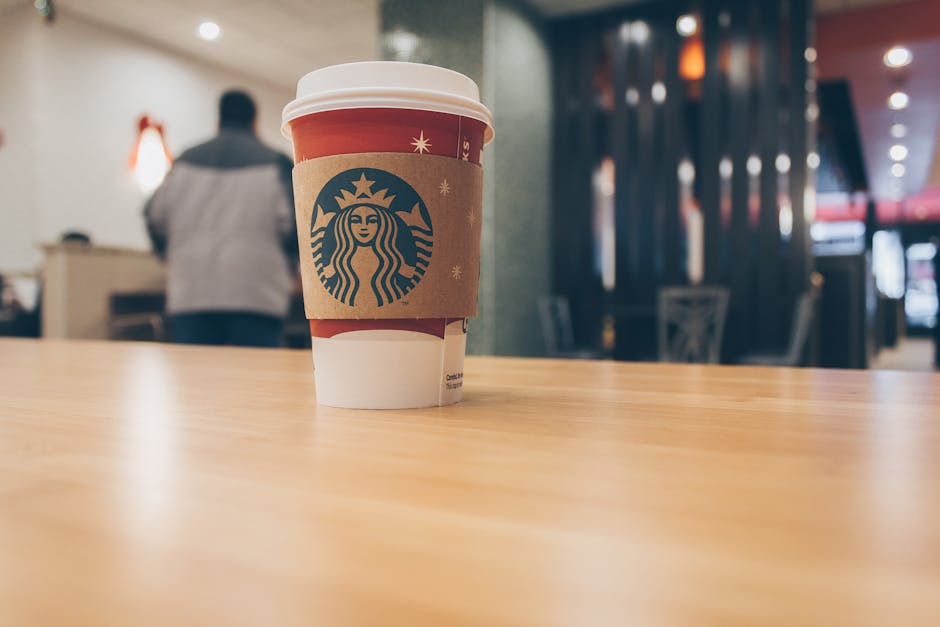
ZUS Coffee’s Meteoric Rise—and the Brewing Challenge to Starbucks’ Southeast Asian Reign
The 2020s have witnessed a paradigm shift in Southeast Asia’s coffee culture—an era where local innovation, agile technology, and affordability are disrupting the long-held dominance of global giants. At the epicenter of this change is ZUS Coffee, a Malaysian-born chain whose unprecedented expansion and digital-first ethos shattered the region’s retail coffee status quo. By late 2024, ZUS had not only surpassed Starbucks in home market store count, but also established itself as a case study in hyperlocal strategy, capital efficiency, and rapid scaling. But with rivals circling, market saturation looming, and global trends reshaping consumer values, is ZUS’s dominance sustainable? Or are we witnessing the short-lived hype of an insurgent outpaced by the next wave of disruptors?
The Origins of Disruption: ZUS Coffee’s Strategic Entry
From Startup to Scale at Blistering Speed. What began as a bold experiment in 2019 became, within half a decade, Southeast Asia’s most expansive homegrown coffee chain. By September 2024, ZUS boasted 566 outlets in Malaysia—outpacing Starbucks’ 411—and would reach 743 Malaysian stores, 120 in the Philippines, and 4 in Singapore by the end of the year. Projecting over 1,000 regional outlets in 2025, ZUS’s scale is a direct result of a highly orchestrated, data-fueled growth playbook.
Capitalizing on Local Preferences. Unlike its global counterpart, ZUS staked its future on localization and price accessibility. Leveraging a RM250 million war chest and a flexible kiosk-store hybrid model, it rapidly filled whitespace in both high-traffic and underserved neighborhoods. This grassroots approach—offering menus with familiar flavors like palm sugar in Malaysia and purple yam in the Philippines—won over a demographic Starbucks struggled to penetrate: digital natives and price-sensitive urbanites.
Digital Edge: The New Currency of Coffee Competition
Personalization at Scale. ZUS’s secret sauce lies in its data-driven personalization. The adoption of the Antsomi CDP app enables not only hyperlocalized menus, but also targeted loyalty offerings and omnichannel engagement—fueling a 5-20% boost in customer stickiness. Orders flow seamlessly from mobile to kiosk, and supply chains are optimized to shrink wait times, all of which reinforce a virtuous cycle of repeat visits.
Democratizing the Coffee Desk. By lowering prices 10-20% below Starbucks, ZUS appeals to Southeast Asia’s swelling middle class but also to inflation-weary consumers. In FY2023, ZUS achieved a remarkable 21% Malaysian market share, RM204 million in revenue, and, most notably, RM10.2 million in net profit—all within 10 months of operation. This profitability starkly contrasts with Starbucks Malaysia, which, despite its scale, has struggled through boycotts and a 50%+ parent company stock drop.
Starbucks: A Giant in Transition—Strengths, Vulnerabilities, and Recovery
The Premium Perception—and its Limits. Even as Starbucks faces pressure, its premium ambiance and global branding retain a fiercely loyal segment. The chain’s “third place” philosophy—immersive interiors and standardized service—remains a compelling moat for white-collar professionals, even as ZUS focuses on grab-and-go and kiosk models.
Weaknesses Exposed. Uniformity across markets—a Starbucks core strength—has become a strategic weakness in Southeast Asia. Slow adaptation to hyperlocal trends, coupled with high pricing, has left the chain vulnerable to insurgents. While the Malaysian subsidiary reels from boycott-driven losses, there are early signs of sales recovery, hinting at the resilience of global brands when they pivot.
Recovery and Opportunity. In 2025, Starbucks’ playbook may hinge on greater regional adaptation (localized menus, partnerships), and leveraging its established trust in quality and consistency. With Southeast Asia’s coffee market expanding at a 5-6.2% CAGR to RM1 billion by 2029, the pie is growing—but so is the fight for relevance and margin.
The New Battleground: Luckin Coffee and the Escalating Price Wars
Luckin Coffee’s Malaysia Entry: The Price Disruptor. Emerging from China’s tech-driven scene, Luckin Coffee is set to open 200 Malaysian stores by 2027, aggressively targeting value-conscious consumers with MYR2.99 drinks. Where ZUS wins with service and digital loyalty, Luckin bets on tech minimalism and automated operations—threatening to erode industry margins and spark a price war.
No Monopoly on Disruption. The rise of Gigi Coffee—now at 160 outlets and a RM4 million profit—underscores that ZUS is not alone. Homegrown chains and next-gen entrants, from tech-first kiosks to specialty micro-cafes, are racing to claim slices of the market. The result? Saturation risk, compressed profits, and growing importance of customer retention over pure store volume.
Hyperlocalization vs. Global Uniformity: Contrasting the Core Playbooks
ZUS’s Winning Formula: Local Tastes, Digital Depth. Unlike Starbucks, which built its empire on replicable experience, ZUS is content to blend in. The Antsomi CDP doesn’t just personalize rewards; it predicts and tailors menu rotations to micro-markets. The chain’s ability to integrate local flavors—while collecting granular consumer data—lets it optimize for frequency, not just premium spend.
Starbucks’ Moat: Ambiance, Consistency, and Trust. For millions, Starbucks is still synonymous with lifestyle aspiration. The chain’s strength is not its coffee, per se, but its role as a familiar haven—the “third place” between home and work. Digitalization at Starbucks serves loyalty, but lacks the algorithmic intensity or menu flexibility of ZUS.
Comparative Perspective. For the uninitiated, the difference between ZUS and Starbucks might appear to be price or branding. In reality, it is a philosophical divergence: hyperlocal, data-augmented accessibility versus global, experience-driven consistency. This schism is shaping not just who wins customers today, but who adapts to tomorrow’s trends.
Profitability, Scalability, and the Specter of Overexpansion
The Profit Paradox: Fast Growth, Thin Margins. ZUS’s ability to turn a profit within 10 months is extraordinary in an industry notorious for heavy upfront costs. Yet, as it eyes 1,000+ outlets, questions arise: Can its tech-localized supply chain handle the strain? Will the balance between affordability and operational complexity hold as economic conditions shift? Overexpansion, especially in inflationary or saturated markets, could threaten not just ZUS but the entire segment’s unit economics.
Starbucks’ Resilience under Fire. Despite short-term setbacks, Starbucks retains strategic advantages in supply chain sophistication and crisis management. As seen in other markets, its global muscle allows for rapid restructuring and promotional pivots—suggesting that recovery remains within reach, especially if the chain ramps up regional adaptation and defends its turf through strategic investments.
Broader Market Implications: What Does Southeast Asia’s Coffee Boom Signal?
Urbanization and the Digital Shift. The region’s urban centers are becoming denser, younger, and more digitally connected—with coffee chains acting as both social anchors and micro-mobility hubs. ZUS’s success in omnichannel ordering and digital engagement is a harbinger for retail sectors beyond food and beverage.
New Pressures: Sustainability and Non-Dairy Options. As global consumers demand more ethical sourcing and plant-based menus, both local and foreign chains face a reckoning. Transparency and agility in responding to these trends will define future loyalty.
Substitute Threats and Home Brewing. Despite expansion, chains remain vulnerable to substitutes—from artisanal tea to the resurgence of home espresso. For ZUS and rivals, sustained success depends on staying indispensable—not just accessible.
“For Southeast Asia’s coffee giants, the next decade won’t be won by the biggest store count or the fanciest ambiance—it will be claimed by the brand most adept at harmonizing digital intimacy, local relevance, and operational resilience.”
Comparative Snapshot: ZUS vs. Starbucks—A Strategic Crossroads
Market Share & Store Count. ZUS leads in Malaysia with 566-743 outlets by late 2024, outpacing Starbucks’ 320-411. Regionally, ZUS approaches 1,000+ stores, while Starbucks’ Southeast Asian footprint grows more cautiously.
Price vs. Premium. ZUS undercuts with 10-20% lower prices—winning value hunters—while Starbucks maintains its premium cachet to attract aspirational spenders.
Tech Adoption and Menu Flexibility. ZUS champions data-driven personalization and hyperlocal menus; Starbucks, by contrast, relies on global consistency but faces mounting pressure to adapt.
Profitability Signals. ZUS produced RM10-37 million in recent net profits; Starbucks, weighed by extrinsic shocks and adaptation lag, is working toward a rebound.
Risks and Opportunities. ZUS’s greatest risk is overexpansion amid intensifying competition from both local chains (Gigi, Luckin) and alternative beverage trends. Starbucks risks further erosion unless it can localize meaningfully—but its deep resources and brand loyalty leave ample room for a strategic comeback.
Forward-Looking Trends: The Road to 2025 and Beyond
A Market in Flux. By 2025, Southeast Asia’s coffee market will be more crowded, competitive, and digitally driven than ever. The influx of new entrants, coupled with global trends—like sustainability, non-dairy innovation, and conscious consumerism—raise the stakes for established and insurgent brands alike.
Why This Story Matters Across Industries. The ZUS-Starbucks duel is not just about coffee. It’s a template for how local operators can outmaneuver global giants through technology, localization, and agility. For multinationals and startups outside F&B, the lessons—about adaptation, ecosystem building, and real-time personalization—are universal.
Irrelevant Sidelights: Singapore Maid Salary Queries and Market Focus
Clarifying the Narrative. Recent search data and query spikes about Singapore maid agency salaries (2026 rates, direct hire, MOM compliance) are unrelated to the coffee market trends discussed here. For accurate, official information, consult the Ministry of Manpower or credible negotiation guides; these labor market developments are distinct from the retail F&B disruption story.
Conclusion: The Strategic Imperative—Adapt or Be Eclipsed
ZUS Coffee’s rise is more than just a “startup beats giant” headline—it’s a signal flare to all consumer-facing businesses: in the digital, post-pandemic era, local relevance, operational agility, and real-time data mastery are non-negotiable for sustainable growth. ZUS’s ascent forced Starbucks into introspection and adaptation. Yet, as the market fragments and new disruptors like Luckin and Gigi emerge, the window for fending off commoditization narrows.
Looking ahead, the real winners will not be those with the most stores, but those that navigate the complex chessboard of price, experience, digital intimacy, and social responsibility. For business leaders, investors, and policymakers, the ZUS-Starbucks saga is a defining case for foresight, flexibility, and the courage to localize. In the relentless game of Southeast Asia’s coffee wars, the strategic imperative is clear: adapt, personalize, and double down on what makes your brand indispensable—or risk being eclipsed by the next wave of innovators.