
ZUS Coffee Vs. Starbucks In Malaysia & Southeast Asia: How Tech, Localization, And Pricing Fuel The 2025 Coffee Chain Battle
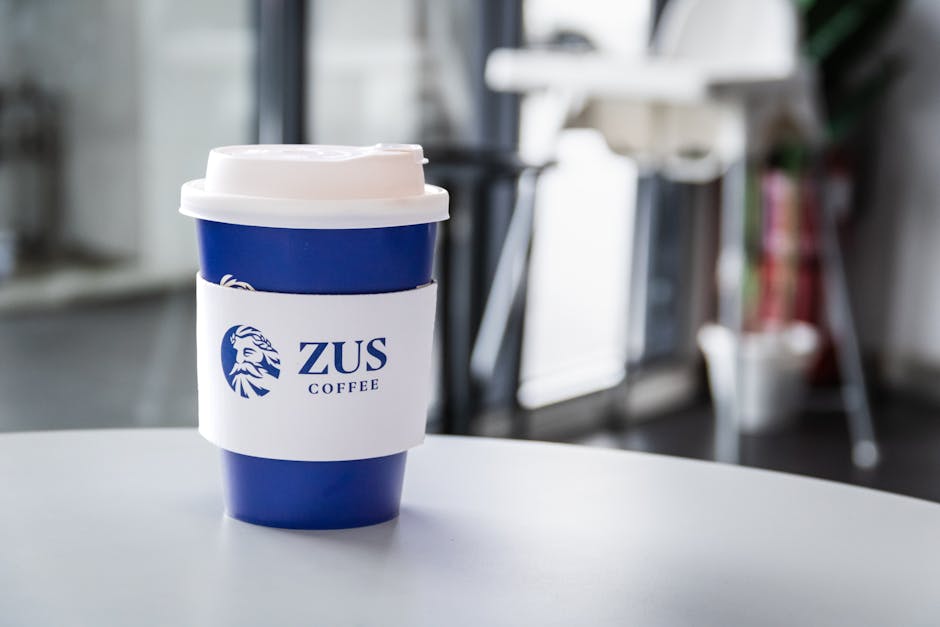
JAVA WARS 2025: How ZUS Coffee’s Localized Tech Blitz is Brewing a New Southeast Asian Rivalry with Starbucks
In the rapidly shifting landscape of Southeast Asia’s coffee industry, a new challenger is rewriting the playbook. By Q4 2025, ZUS Coffee—a homegrown Malaysian brand—reached its milestone 1,000th store across the region, signaling not just rapid expansion but a powerful new model of how technology, localization, and price accessibility can upend global giants. As Starbucks, the world’s most recognized coffee chain, leans deeper into artificial intelligence and supply chain mastery, ZUS’s insurgent rise is reframing what it means to win in Southeast Asia’s “third wave” coffee battle. The clash between these titans is no longer just about who sells the most lattes, but who can most deftly harness local insights, tech innovation, and cultural resonance.
ZUS Coffee: The Fastest-Growing Chain in Malaysia—And Why That Matters
Breaking Barriers with Aggressive Expansion. The story of ZUS Coffee is remarkable for its pace: by the end of 2025, the brand tallied 1,000 outlets across Southeast Asia, making it Malaysia’s largest coffee chain. In markets like Thailand, ZUS plans to launch 50 stores in 2026—with initial successes already visible in Bangkok and a targeted 200 additional outlets on the horizon. This “blitzscaling” approach is more than a numbers game: it unlocks visibility and consumer habituation, two critical elements in any F&B race.
Affordable Aspirations—Filling the Value Gap. ZUS’s rise is powered by its pointed positioning between price-sensitive convenience store coffee and higher-priced premium chains. In a region where the majority of urbanites remain cost-conscious, ZUS bridges this value gap. Its standardized quality, affordable menu, and chain reliability are not just competitive levers—they are cultural necessities for mass adoption.
Digital DNA—Driving Loyalty Through Tech. Central to ZUS’s ascent is a robust digital infrastructure. Mobile apps enable frictionless pre-ordering, personalized rewards, and granular customer behavior tracking. These tools, while seemingly standard, produce a flywheel effect: the more personalized and responsive the service, the higher the consumer retention and operational efficiency. ZUS targets not just to serve coffee, but to embed itself as a daily ritual—one powered by tech and data analytics.
Read more on ZUS’s tech-first approach.
Localization Mastery: The ZUS Playbook for Outpacing Global Giants
Cultural Fluency—Ingraining Local Flavors. ZUS achieves what many global players struggle with: true cultural resonance. By tailoring offerings—like the viral Ube series in the Philippines—and embracing halal-friendly ingredients and certification, ZUS crafts a menu and atmosphere that speaks directly to Southeast Asia’s diverse, youthful, and increasingly discerning market.
Agile Adaptation vs. Global Standardization. Unlike Starbucks, whose menu is often defined by global branding with only periodic local adaptations, ZUS’s agile structure allows for quick pivots to local tastes and seasonal trends. This nimbleness is a competitive advantage, especially in countries where food and beverage preferences are deeply intertwined with tradition and community.
Store Formats Designed for Community. Efficiency in space design and operations allows ZUS to open in smaller footprints, reach underserved locations, and lower operating costs. Ultimately, ZUS is not just exporting a “Malaysian” model—it’s evolving a playbook for how regional chains can outcompete multinationals by rooting themselves in lived local experience.
Explore Southeast Asia’s local coffee competitors.
Starbucks’ High-Tech Counterattack: The Deep Brew AI and Operational Scale
Scaling AI for Personalization and Supply Chain Efficiency. Starbucks is not ceding ground. While it may lag ZUS in local “flavor agility,” it compensates with AI-driven precision. The Deep Brew AI platform analyzes customer orders, enhances loyalty program engagement, and delivers customized menu recommendations at scale—part of a broader shift toward algorithmic hospitality. Though specific 2025 ROI data is withheld, industry case studies indicate supply chain efficiency gains of 20–30% where AI is fully deployed.
Operational Leverage Through Data. Starbucks’ scale allows it to optimize inventory, reduce costly stockouts, and forecast demand with an accuracy unmatchable for most startups. This not only improves the bottom line but ensures menu availability, enhances customer satisfaction, and fortifies the Starbucks experience—even as new challengers emerge.
Pushing Beyond the Café: AI as a Supplier of Competitive Resilience. Starbucks’ bet on AI is as much about protecting its market share as it is about anticipating the next evolution of consumer behavior and operational risk—critical amid global supply disruptions and shifting consumer patterns.
More on tech competition in coffee.
The Comparative Nexus: ZUS Versus Starbucks in 2025 and Beyond
Store Count Trajectories. By the numbers, ZUS’s 1,000 stores (as of Q4 2025) make it the fastest-growing chain in Malaysia, but Starbucks still commands a larger total store presence across Southeast Asia. ZUS’s velocity, however, marks a dramatic reshaping of what “national champion” means in the coffee sector.
Price Positioning and Accessibility. ZUS’s affordability makes it a daily habit for price-sensitive consumers, while Starbucks maintains premium appeal. This gives ZUS the edge in market penetration, especially as per capita coffee consumption in the region remains relatively low.
Technology as Differentiator—Speed vs. Depth. ZUS’s data-driven apps drive loyalty at the community level, while Starbucks’s Deep Brew leverages decades of global loyalty data to fine-tune recommendations and operations. ZUS wins in local resonance and response speed; Starbucks, in pan-regional efficiency and long-term data leverage.
Localization vs. Standardization. ZUS’s hyper-localized menu and halal credentials have proved superior in forging connections with Southeast Asian consumers, whereas Starbucks’s global standardization, while consistent, lacks nuance in adapting to local trends (e.g., the Malaysian fondness for palm sugar blends).
“The real battle isn’t over who has more stores—but over who can most meaningfully embed themselves in Southeast Asia’s emerging coffee culture. In 2025 and beyond, tech alone won’t decide the winner—it’s the fusion of data, local insight, value, and adaptability that will.”
Emerging Patterns: What This Rivalry Means for the Future of Coffee in Southeast Asia
Reshaping Urban Rituals. The ZUS-Starbucks faceoff signals a shift from top-down, imported café culture to one where local context and technology transform daily routines. Thousands of new outlets mean more than just convenience—they represent a democratization of aspirational spaces for work, leisure, and socialization.
AI and Automation: The Next Growth Frontiers. Both players are investing in automation to streamline labor and costs, but their approaches diverge. Starbucks aims for back-end, AI-optimized supply chains, while ZUS experiments with front-of-house automation for operational speed—a key to its aggressive expansion.
Localization as Strategy, Not Slogan. ZUS demonstrates that local adaptation is not merely a marketing tagline but a foundational business principle. By actively involving local communities in product ideation and feedback, ZUS turns difference into defensibility.
Competitive Lessons for Global Brands. For international F&B companies, the ZUS story is instructive: the path to regional dominance now depends on blending digital utility with meaningful cultural relevance, not just vendor contracts and market entry kits.
Differentiating Perspectives: Why the Stakes are Higher Than Ever
For Regional Consumers. The proliferation of accessible, quality-focused chains like ZUS puts pressure on incumbents to innovate, lower prices, and adapt menus—fueling a virtuous cycle of better consumer choice.
For Investors and Operators. The metrics of success are shifting. It’s no longer enough to “plant flags” with store openings; the future belongs to those who can flex operational agility, harness granular data, and deliver a brand narrative that reflects local aspiration, not just Western templates.
For the Broader F&B Industry. The ZUS model challenges the notion of what scalability means across emerging Asian markets. Local players, once seen as niche or copycat, are now credible disruptors that can push global giants to rethink how they deploy capital, technology, and human touch.
Read the market analysis of ZUS’s regional ascent.
Conclusion: The Strategic Importance and Future Trajectory
Southeast Asia’s coffee scene is at a tipping point. ZUS Coffee’s rocket-like expansion—anchored by local relevance, digital engagement, and price inclusivity—has raised the bar for what a “regional leader” looks like. Starbucks, while possessing unassailable global muscle, now faces a contest where depth of adaptation and speed of innovation matter as much as heritage and legacy infrastructure.
The 2025-2026 era will not be won on technology alone, but on the ability to synthesize AI, automation, and authentic local integration. As coffee consumption in Southeast Asia continues its staggering climb, the question is no longer “who can expand fastest,” but “who can become indispensable to everyday life.” ZUS has shown that regional chains can claim this ground—and that giants like Starbucks must keep evolving to remain relevant.
In this new java war, success will belong to brands that treat localization not as an afterthought, but as a strategic imperative—fusing the best of digital intelligence with the pulse of the street. Forward-thinking operators and investors should take note: the next decade of Southeast Asia’s coffee culture belongs to those who balance speed, local resonance, and data-driven precision.