
ZUS Coffee Vs. Starbucks Malaysia: How Tech-Driven Personalization Is Disrupting Kuala Lumpur’s Coffee Market In 2024
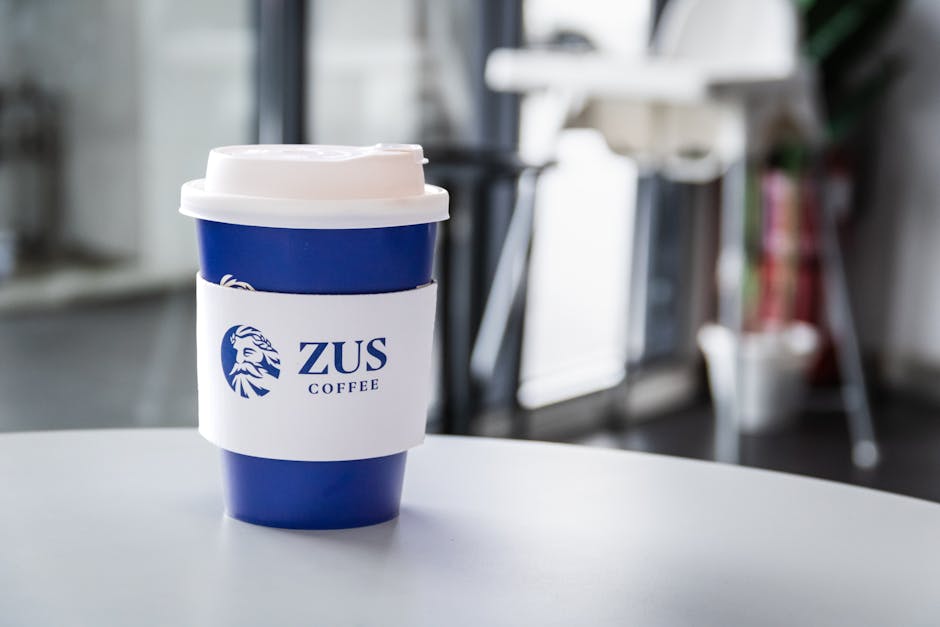
ZUS Coffee: How Tech-Driven Disruption Is Redefining Malaysia’s Coffee Market
In the last five years, Malaysia’s coffee landscape has shifted from a terrain dominated by global giants to one where local innovation sets the pace. At the heart of this transformation is ZUS Coffee, a homegrown brand that debuted in 2019 with a vision to democratize premium coffee through technology, affordability, and hyper-local relevance. As the first tech-forward chain in Malaysia, ZUS Coffee has rapidly reimagined the rules of engagement—bridging the gap between quality and accessibility at a scale few predicted. With 550 Malaysian stores, a regional footprint of 600 outlets, and 150,000 cups serviced daily, ZUS Coffee’s hypergrowth signals a new era in Southeast Asia’s café wars. The brand’s rise in a market once dominated by Starbucks and international players isn’t just a story of numbers, but one of tactical reinvention and real-world impact.
Tech as the Great Equalizer: ZUS Coffee’s Strategic Foundations
Leveraging Data and Digital Ecosystems
ZUS Coffee’s strategy begins with its app-centric model, ushering in a seamless, paperless experience for customers. This isn’t merely surface-level convenience. The ZUS Coffee app lets users skip queues, order ahead, and access personalized rewards, but most critically, it gathers granular data on preferences—a goldmine for digital personalization. For example, the brand’s decision to feature “ube” flavors in Philippine stores wasn’t just a marketing guess; it was driven by app analytics, highlighting popular tastes in local markets (twimbit.com).
Operational Unity Through Tech
Scaling from a single kiosk to hundreds of locations is notoriously challenging for food and beverage chains. ZUS Coffee faced the classic pains of expansion: fragmented communications, inconsistent operations, and difficulty maintaining company culture. Their answer was to standardize management using Lark, a collaboration platform that streamlines everything from staff scheduling to real-time feedback (YouTube Interview). This digital backbone enabled ZUS to operate over 600 stores efficiently—even as rapid expansion risked diluting brand quality.
Funding and Growth Velocity
The confidence in ZUS Coffee’s scalable model reached the investment community. In 2024, the company secured RM250 million in equity funding from major players such as KV Asia Capital, Kapal Api, and KWAP (Business Today Malaysia). This financial firepower is fueling ZUS’s Southeast Asia ambitions, with 150 stores in the Philippines by year-end and planned entries into Singapore and Brunei.
Disrupting the Status Quo: Patterns of Change in the Coffee Market
Necessity Over Luxury—A New Value Proposition
While Starbucks built its empire on upscale ambiance and uniform global experiences, ZUS Coffee targets the everyday necessity. By pricing premium coffee between RM5 and RM10—nearly half the cost of Starbucks—ZUS positions itself as “premium, yet accessible” (Vulcan Post). Compact kiosks and hyper-local menus allow ZUS to enter high-traffic locations quickly, meeting consumers where they are, not expecting them to come to the brand’s flagship stores.
The COVID Catalyst and App-First Engagement
The COVID lockdowns in Malaysia (MCOs) turbocharged ZUS’s digital engagement. As “contactless” and order-ahead became everyday necessity, ZUS’s app-first model gained massive traction while legacy chains struggled to pivot. This set the stage for long-term loyalty grounded in data-driven personalization, not just point-based rewards.
Sustainability and Youth Appeal
Beyond tech, ZUS Coffee’s sustainability programs—such as upcycling 21 tons of coffee waste into biofuel—resonate deeply with eco-conscious Millennial and Gen Z consumers (ZUS Social Impact). Direct-trade relationships (e.g., with Coffex) further strengthen ethical credentials. This multifaceted approach is steadily chipping away at Starbucks’ previously unassailable market share, now down to 40% in Malaysia (Ken Research SEA Coffee Report).
Comparative Perspectives: ZUS Coffee, Starbucks, Costa, and Emerging Rivals
Comparing Digital Ecosystems: ZUS vs. Starbucks
ZUS Coffee’s digital ecosystem is more robust than Starbucks Malaysia’s, whose loyalty app lags in personalization and operational integration. While Starbucks retains global branding power and has 7,000+ stores regionally, it only maintains 200 outlets locally—versus ZUS’s 550. The rate of expansion: ZUS grew 5x faster, signaling a new equilibrium in market power. Notably, Starbucks Malaysia estimates 50,000 cups sold daily, less than half ZUS’s 150,000. ZUS’s O2O (online-to-offline) framework—enabling both pickups and deliveries—fosters a frictionless customer journey (ZUS Coffee Story), as opposed to Starbucks’ more traditional store-first experience.
Costa Coffee: Ambiance vs. Digital Innovation
Costa Coffee, owned by Coca-Cola, continues its global push with 4,000+ stores. In Malaysia, however, presence is minimal. Costa’s premium pricing and focus on ambiance leave it vulnerable to tech-driven challengers. Their app is basic, with little personalization capability. Growth is steady in the UK (5%), with Asia pilots, and opportunities in halal markets, but Costa lacks the agility and digital dexterity that ZUS demonstrates (Morningstar Q3 2024 Industry Report).
Rising Tech-Focused Rivals and ZUS’s Leadership
Flash Coffee and Kopi Kenangan mirror ZUS’s tech-playbook—digital apps, local flavor adaptation—but scale and sustainability remain differentiators. ZUS’s partnerships (with Secret Recipe, HYGR) drive cross-platform promotions, further cementing market leadership.
Market Share and Future Projections
Analysts forecast ZUS Coffee capturing 15-20% of Malaysia’s market by 2025, based on current growth rates and digital engagement metrics (Ken Research SEA Coffee Report). This disrupts assumptions around global brand dominance and introduces new standards for rapid, scalable, hyper-local expansion.
Real-World Implications: Consumer, Investor, and Industry Impact
Impact on Consumers
Consumers benefit from lower prices, convenience, and menu personalization—customized flavors, rapid service, and frictionless digital interactions. For younger Malaysians, ZUS Coffee embodies the values they seek: sustainability, technology, and authenticity.
Investor Confidence and Strategic Partnerships
The RM250M in funding signals robust investor confidence in ZUS’s tech-enabled, scalable model. Strategic partnerships with food brands and tech platforms catalyze further growth, delivering cross-functional value and creating new revenue streams.
Industry Implications: Redefining Coffee Shop Economics
ZUS Coffee’s disruption forces industry players to rethink cost structures, store formats, and digital operations. The model lowers operational overhead (compact kiosks, paperless systems), enabling rapid deployment and high-volume sales. By upcycling waste and sourcing ethically, ZUS raises the sustainability bar, compelling rivals to evolve.
“By 2025, technology-driven coffee chains like ZUS Coffee will define new baselines for customer experience, sustainability, and operational efficiency, transforming Southeast Asia’s café market from legacy luxury to scalable necessity.”
Forward-Thinking Insights: What Comes Next?
Regional Expansion and Competitive Dynamics
ZUS Coffee’s planned expansion into Singapore and Brunei, on the heels of its Philippines success, is strategically timed. As regional consumers demand localization and digital-first engagement, ZUS’s app-driven approach gives it a distinct advantage. Unlike Starbucks, whose regional footprint exceeds 7,000 stores but lags in digital agility, ZUS is poised to capture underserved segments and adapt to shifting tastes with speed.
Potential Risks
Rapid growth presents risks—brand dilution, operational errors, and market saturation. Maintaining consistency across 600+ stores requires ongoing investment in tech infrastructure and staff training. Additionally, global competitors may accelerate their digital transformation to close the tech gap, challenging ZUS’s current edge.
Opportunities for Collaboration and Innovation
Sustainability initiatives and partnerships with tech and food brands (such as Secret Recipe and HYGR) showcase ZUS Coffee’s willingness to collaborate. This ecosystem-style growth could open new markets, such as biofuel and eco-packaging, that extend beyond traditional café economics.
Lessons for the Industry
ZUS Coffee’s data-driven disruption is a template for new entrants and legacy players alike. Chains that prioritize digital ecosystems, operational unity, and sustainability will thrive; those clinging to premium pricing and global uniformity risk stagnation in fast-evolving Southeast Asian markets.
Conclusion: The Future Trajectory—Why Digital Disruption Matters
The ascent of ZUS Coffee stands as a clarion call to café brands worldwide: digital transformation is no longer optional, but imperative. In Malaysia, ZUS has surpassed Starbucks in store count, market share growth, and daily customer engagement—all within five years. Its tech-driven, scalable model has redefined what “premium” means, shifting the industry from luxury to necessity. As ZUS Coffee expands regionally and deepens its digital and sustainability playbook, rivals must respond by innovating, localizing, and transforming operations.
Ultimately, the stakes extend beyond coffee; they represent the broader acceleration of digital disruption across Southeast Asia. For consumers, investors, and industry leaders, understanding and embracing these shifts will determine who shapes the café market of tomorrow.
Call to Action: Brands need to rethink their strategies—investing in technology, data analytics, and eco-friendly practices—to remain relevant. ZUS Coffee isn’t just a disruptor; it’s a blueprint for the new reality.