
ZUS Coffees Hyperlocal Playbook: How Kuala Lumpur, Manila, Singapore & Bangkok Stores Are Redefining Community, Digital Growth, And Market Leadership In Southeast Asia (2026 Guide)
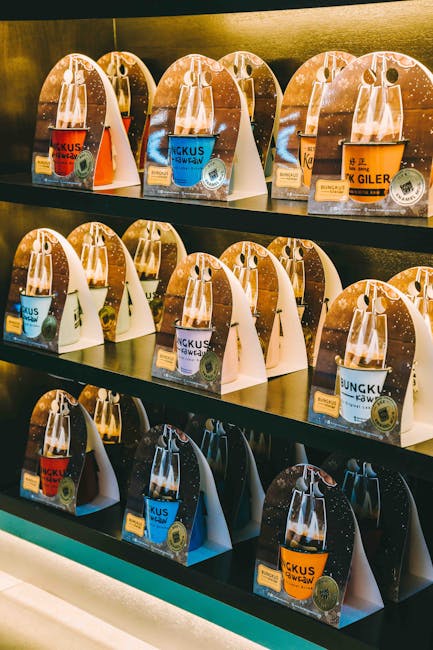
ZUS Coffee’s Hyperlocal Revolution: How a Malaysian Brand is Redefining Community, Choice, and Competition Across Southeast Asia
In the rapidly changing landscape of Southeast Asia’s café culture, ZUS Coffee has emerged not just as Malaysia’s largest coffee chain, but as a formidable force rewriting the rules of regional growth, customer engagement, and value innovation. Just a few years ago, Southeast Asia’s coffee market was largely polarized between ultra-affordable convenience store brews and global premium chains like Starbucks. Into this gap stepped ZUS, armed with a razor-focused hyperlocal strategy, a nimble digital backbone, and a bold ambition: to become the “people’s coffee” of urban Southeast Asia.
As of early 2026, ZUS surpassed 1,000 stores across the region—outpacing its own projections and overtaking established giants on home turf. But raw numbers only tell half the story. This exposé unpacks how ZUS Coffee’s brand of community-rooted innovation, dynamic pricing, and relentless adaptation is reshaping not only coffee retail but the very notion of what local engagement means in a digital-first era.
The Hyperlocal Playbook: Transforming Every Store into a Community Hub
Context and Origins: Malaysia’s café market has long been a microcosm of Southeast Asia’s tensions: rising middle-class aspiration, powerful global brands, and a hunger for identity. ZUS, founded in Kuala Lumpur, quickly recognized that “one-size-fits-all” models were losing traction. Instead, it bet on a playbook that combined market-specific flavors, digital engagement, and aggressive price positioning (Marketing Interactive).
Flavor as Community Currency: In Malaysia, signature palm sugar lattes celebrate local taste. The Philippines saw purple yam (ube) coffee capture the hearts of Gen Z—drinks designed for Instagrammability and authenticity. Singapore, where cultural blending is an art, embraced plans for pandan-gula Melaka lattes and even Singlish-printed cups. Each menu is a curated love letter to its community, not a mere “franchise version.”
Digital-First Operations: With 70% of sales now transacted online through pre-orders, pickups, and third-party deliveries, ZUS has woven technology into every customer journey. App-based features like rainy-day perks, flavor voting, and digital loyalty programs do more than drive sales—they build a sense of agency and playfulness among digitally savvy urbanites. The result? Even during the pandemic’s worst, ZUS's online infrastructure fueled growth while rivals struggled to pivot.
Community Integration: ZUS’s stores are designed to be gathering places, not just caffeine stops. Local art displays, co-creation contests with neighborhood chefs, and events voted on by users transform anonymized transactions into ongoing relationships (“Verdict Foodservice”).
Scaling Hyperlocal: Country-By-Country Expansion and Real-World Tactics
Malaysia—The Epicenter of Innovation: With a projected 850 stores by mid-2026, ZUS has eclipsed Starbucks’s long-held Malaysian lead (320 stores). Every metro hub, from KLCC to quiet suburbs, serves as a testbed for new flavors and digital engagement models. Store footfall exceeds 200 patrons daily, and price points undercut competitors by 20%, making quality coffee attainable for millions.
Philippines—Youth, Investment, and Fast Growth: Backed by billionaire Frank Lao, ZUS nearly doubled its Philippines presence in a year (from 120 to nearly 200 stores). Here, the mission is to win over students and young professionals with accessible ube coffee, creative events, and seamless integration with dominant food delivery platforms like Grab and Foodpanda. The local flavor play is both strategic and deeply emotional—demonstrating respect for Filipino tastes and food traditions.
Singapore—Premium Testbed with a Cultural Twist: In a market dominated by both global heavyweights and regional disruptors (e.g., Luckin Coffee, Kopi Kenangan), ZUS’s ten Singapore stores bet on cultural fusion. “Familiar neighbor” positioning, combined with digital personalization and menu crowd-sourcing, allows ZUS to carve a unique niche in a crowded, discerning market.
Thailand & Indonesia—Frontiers of Innovation: The debut at Vanit Place Aree in Bangkok and the first Jakarta outlet mark ZUS’s most ambitious expansions. Backed by local partners (Kapal Api in Thailand), ZUS is tailoring products and service rituals to the rhythm of urban commuters, testing Thai-infused beverages and targeting price-sensitive markets with adaptable formats. In Indonesia, low-cost innovation is non-negotiable amid fierce competition.
Brunei—The Franchise Laboratory: Brunei’s franchised ZUS units are smaller in scale but serve as a model for low-investment, high-integrity international growth. Here, maintaining menu consistency and community energy is the acid test for replicability.
Emerging Patterns: The Strategic DNA of ZUS’s Rise
Price & Value Engineering: ZUS’s 20% lower price point is not just a marketing tactic—it’s the result of a carefully crafted supply chain, bulk procurement, and streamlined digital operations. This discipline enables the chain to weather commodity price swings and currency volatility, crucial in emerging markets (Marketing Magazine).
Digital Personalization at Scale: The company’s 70% digital sales are a lighthouse for the region. From app-based rainy-day coupons (triggered by local weather data) to user-driven flavor voting, ZUS has built an emotional runway that invites everyday participation. In markets where digital adoption is uneven, this approach accelerates loyalty and frequency.
Social Brand Storytelling: ZUS’s narrative—targeting urban youth and professionals who value “ambition” and “hustle”—is woven into every touchpoint. From in-store art to cups with local idioms, ZUS’s brand is a living, breathing reflection of its audience, not a static template.
Comparative Dynamics: How ZUS Outmaneuvers the Giants
Localization vs. Global Standardization: Global competitors often rely on standard, infrequently updated menus and store designs. ZUS’s crowd-sourced, locally expressive drinks and events deliver novelty and relevance, making it the chain of choice for consumers seeking authentic, relatable options.
Digital Integration vs. Legacy Systems: While incumbents race to retrofit apps and pickups, ZUS was digital from birth. This gives it a lead in data-driven insights, rapid menu iteration, and cost containment, fueling higher margins despite lower sticker prices.
Community Roots vs. Franchise Formalism: Instead of cookie-cutter rollouts, ZUS’s franchise and partnership models (Brunei, Thailand) are sandboxes for experimentation—each aligns incentives with local entrepreneurs and adapts quickly to market nuances.
Forward-Thinking Insights: Risks, Leverage, and Strategic Leaps
Risk Mitigation in Saturated Markets: The key regional threat is saturation—especially as brands like Luckin, Kenangan, and even Starbucks double down on localization. In such environments, ZUS’s challenge will be to keep innovating on flavor, community, and digital experience without eroding price discipline.
Sociopolitical Tailwinds: Market sentiment is shifting. In 2023-2025, boycotts against Western chains (notably Starbucks, due to global events) gave ZUS an unexpected edge as a “regional neighbor.” This tailwind may be fleeting, but it underlines the power of place-based narratives and cultural ownership.
Scaling the Community Model: As ZUS enters Indonesia and scales Thailand, it must avoid “one-size-fits-all” pitfalls—each new city is a new market. The successful prototype is a blend of tangible (flavors, pricing) and intangible (pride, co-creation) elements.
Metrics That Matter: For decision makers, the core KPIs are store density (e.g., 850 in Malaysia alone), digital sales percentage (aim for 70%+), footfall per store (target 200+), and market share (already #1 in Malaysia). The RM250 million ($57.5 million) war chest from 2024 has proven its returns through accelerated market capture.
The future of Southeast Asian café culture belongs to brands that don’t just serve coffee, but serve as platforms for local stories, shared experiences, and digital-first belonging. ZUS’s playbook—where every store is a test of community relevance—will be the blueprint for retail chains in every sector.
An Actionable Guide: What Business Decision Makers Must See on the Ground
Malaysia: Visit KL’s flagship for the classic palm sugar latte (MYR 8-10), observe digital order flows, and note community energy—especially during rain-triggered promos. Test the app’s integration and benchmark footfall against Starbucks.
Philippines: Scout Manila’s urban hotspots for ube coffee, delivery partnerships, and Gen Z-heavy crowds. Review evidence of local loyalty programs and measure store turnover rates, which soared with the 120-to-200 store leap in 2025.
Singapore: Compare new Orchard Road stores to mid-market rivals. Order a pandan-gula Melaka latte, inspect the crowd-sourced menu boards, and track real-time flavor voting. Note ZUS’s position as a “familiar neighbor” versus multinational giants.
Thailand: Tour Vanit Place Aree in Bangkok during commuter peaks. Sample a local fruit-infused drink and check social media buzz. Key: Assess the early traction of Kapal Api’s partnership model.
Indonesia: On launch in Jakarta, evaluate unique local blends, affordability, and student-centric events. Investigate pricing strategies under high competition and review digital bulk operations.
Brunei: Quietly observe franchise consistency and menu innovations at Bandar Seri Begawan’s store—this laboratory offers clues for cost-efficient, scalable international growth.
Best Practice: Conduct visits over three days (ideally Mon-Wed) during peak hours; use the ZUS app to document user experience. Benchmark against Starbucks and Luckin for price, engagement, and digital adoption.
Conclusion: The Strategic Imperative of Hyperlocal Mastery
ZUS Coffee’s journey from Kuala Lumpur upstart to regional category leader offers a vivid case study in the power of hyperlocal adaptation. By prioritizing community integration, digital-first personalization, and relentless flavor innovation, ZUS is writing a new rulebook for scaling in culturally complex, digitally evolving markets.
The data speaks volumes: 5x growth in five years, market leadership in Malaysia, and successful penetration into diverse urban centers all signal an enterprise built for the realities of the 2020s. Yet, ZUS’s true legacy may be less about store count and more about a mindshift—one where every retail interaction becomes a site for local storytelling, digital empowerment, and authentic belonging.
For business strategists, the lesson is clear: The future belongs to brands that treat localization not as a box to tick, but as a living, iterative partnership with their communities. Those who master this art—and back it with operational discipline—stand to win not just market share, but cultural relevance and long-term resilience.
As Southeast Asia’s consumer landscape evolves, ZUS Coffee’s blueprint will echo far beyond cafés—offering hope, inspiration, and a challenge to every brand seeking to matter in the world’s most dynamic region.